THE ADVENTURE COLLECTIVE® · Independent discovery and booking for outdoor travel

Short on time but eager to hike the classic route? This two-day Short Inca Trail starts at KM 104 and delivers Wiñaywayna, the Sun Gate and two visits to Machu Picchu—sunset and sunrise—balanced with a comfortable night in Aguas Calientes.
Short on time but eager to hike the classic route? This two-day Short Inca Trail starts at KM 104 and delivers Wiñaywayna, the Sun Gate and two visits to Machu Picchu—sunset and sunrise—balanced with a comfortable night in Aguas Calientes.
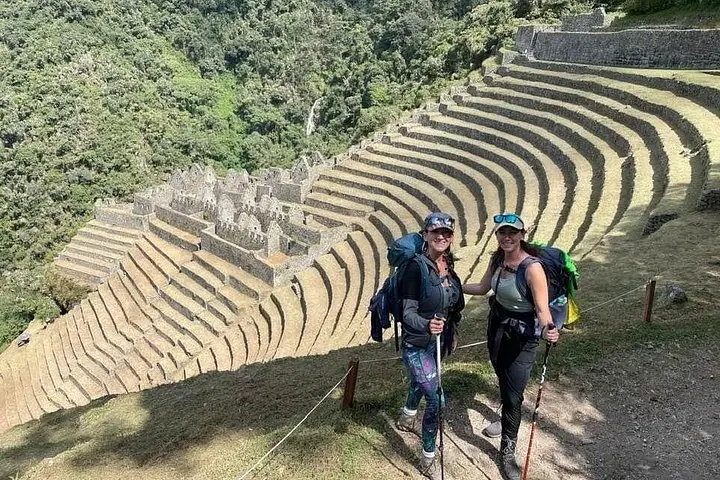
Dawn arrives on the rails between Cusco and KM 104, turning mist into a slow-moving sea. Hikers step off at the trailhead with the Urubamba valley opening beneath cloud and cliff, and the old stone stairways of the Inca Trail leading toward Wiñaywayna. The route pushes through cloud forest where orchids hang like small flags and the river below dares you to look down.
Verified experiences and guided adventures in the surrounding area.
Operated by IncaGo Expeditions · Aguas Calientes, Cusco Region
Dawn arrives on the rails between Cusco and KM 104, turning mist into a slow-moving sea. Hikers step off at the trailhead with the Urubamba valley opening beneath cloud and cliff, and the old stone stairways of the Inca Trail leading toward Wiñaywayna. The route pushes through cloud forest where orchids hang like small flags and the river below dares you to look down.
This short Inca Trail compresses centuries of Andean history into two days: stone terraces, agricultural niches and narrow staircases built by the Incas to stitch highland communities to the sacred citadel at Machu Picchu. Geologically, the trail traces steep volcanic ridges and river-cut canyons of the eastern Andes; culturally, local Quechua guides interpret ritual sites, water channels and the agricultural logic of the terraces.
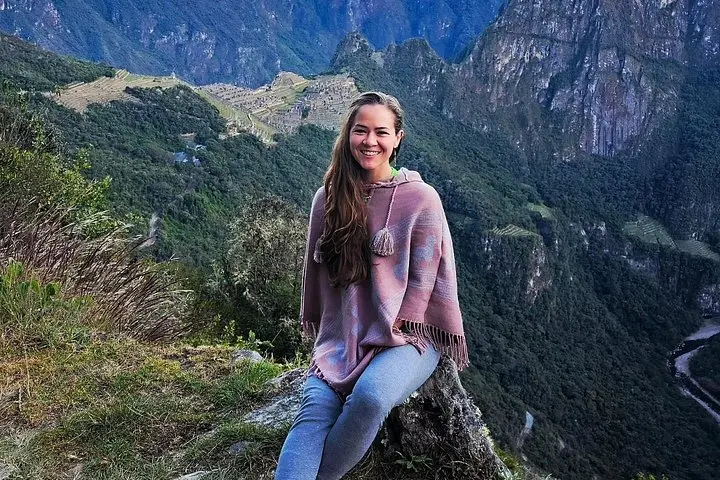
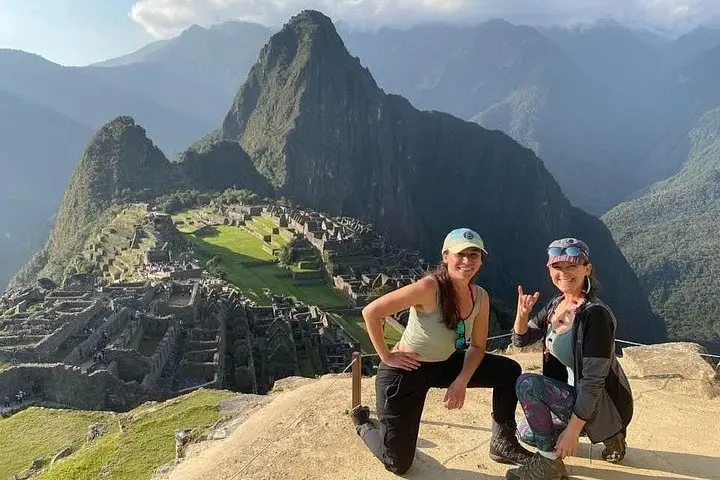
Expect a solid day of hiking—roughly 10–12 km with intermittent stone steps and about 400–600 m of cumulative elevation change—before the Sun Gate offers the first cinematic view of Machu Picchu. The second morning is a measured exploration of the citadel’s temples, quarries and terraces at sunrise, followed by a train ride back down-valley.
Practical notes: begin early to avoid midday heat and crowds, carry layered rain protection, and bring a daypack with water, snacks and passport/ticket. The trail is family-friendly with moderate fitness; the altitude and uneven stone steps reward patience and steady pacing. Book permits and trains in advance—this itinerary balances immersion, history and achievable hiking for travelers short on time.
The guided short route from KM 104 to Machu Picchu covers roughly 10–12 km of walking over two days with about 4–6 hours hiking on the first day and a guided ascent of Machu Picchu the next morning.
Yes—this itinerary is commonly offered for families and older travelers, but participants should be comfortable with uneven stone steps and moderate altitude; consult your guide about pacing.
Yes—entry tickets for the Inca Trail and Machu Picchu are required and are included in many packages; these are limited and should be booked well in advance.
Machu Picchu sits around 2,430 m; travelers coming from Cusco (higher altitude) may feel less impact, but stay hydrated, avoid alcohol the day before, and ascend at a steady pace; speak to your guide if symptoms appear.
IncaGo Expeditions operates guided outdoor trips and adventures with an emphasis on safety, stewardship, and memorable experiences.
Dawn arrives on the rails between Cusco and KM 104, turning mist into a slow-moving sea. Hikers step off at the trailhead with the Urubamba valley opening beneath cloud and cliff, and the old stone stairways of the Inca Trail leading toward Wiñaywayna. The route pushes through cloud forest where orchids hang like small flags and the river below dares you to look down.
Dawn arrives on the rails between Cusco and KM 104, turning mist into a slow-moving sea. Hikers step off at the trailhead with the Urubamba valley opening beneath cloud and cliff, and the old stone stairways of the Inca Trail leading toward Wiñaywayna. The route pushes through cloud forest where orchids hang like small flags and the river below dares you to look down.
This short Inca Trail compresses centuries of Andean history into two days: stone terraces, agricultural niches and narrow staircases built by the Incas to stitch highland communities to the sacred citadel at Machu Picchu. Geologically, the trail traces steep volcanic ridges and river-cut canyons of the eastern Andes; culturally, local Quechua guides interpret ritual sites, water channels and the agricultural logic of the terraces.
Expect a solid day of hiking—roughly 10–12 km with intermittent stone steps and about 400–600 m of cumulative elevation change—before the Sun Gate offers the first cinematic view of Machu Picchu. The second morning is a measured exploration of the citadel’s temples, quarries and terraces at sunrise, followed by a train ride back down-valley.
Practical notes: begin early to avoid midday heat and crowds, carry layered rain protection, and bring a daypack with water, snacks and passport/ticket. The trail is family-friendly with moderate fitness; the altitude and uneven stone steps reward patience and steady pacing. Book permits and trains in advance—this itinerary balances immersion, history and achievable hiking for travelers short on time.