THE ADVENTURE COLLECTIVE® · Independent discovery and booking for outdoor travel

Walk a historic section of the Inca Trail from km 104 to Winaywayna, overnight in Machu Picchu Pueblo, then rise early for a full guided tour of Machu Picchu. This compact 2-day itinerary packs terraces, temples and rainforest into an accessible highland trek.
Walk a historic section of the Inca Trail from km 104 to Winaywayna, overnight in Machu Picchu Pueblo, then rise early for a full guided tour of Machu Picchu. This compact 2-day itinerary packs terraces, temples and rainforest into an accessible highland trek.
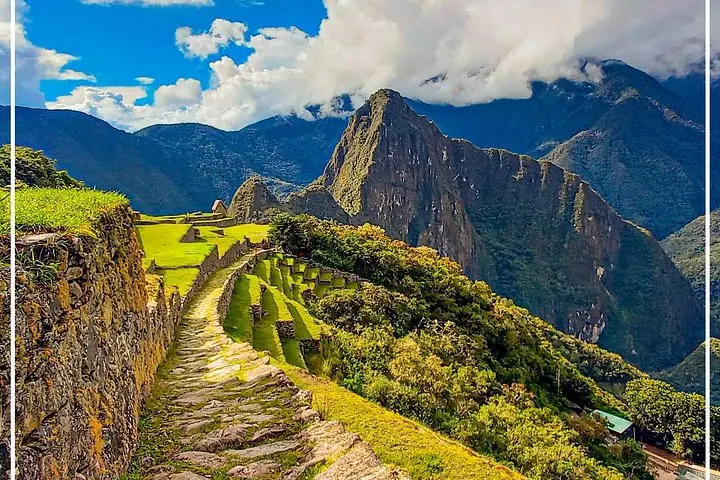
Dawn finds you at the train platform in Ollantaytambo, the air thin and crisp, as the rails hiss toward km 104. You step off near the Urubamba River, cross a bridge, and follow a stone path the Incas carved centuries ago—dark jungle pressing close, terraces slipping away beneath the canopy, the trail at times broad and at times a single stairway hewn into rock.
Verified experiences and guided adventures in the surrounding area.
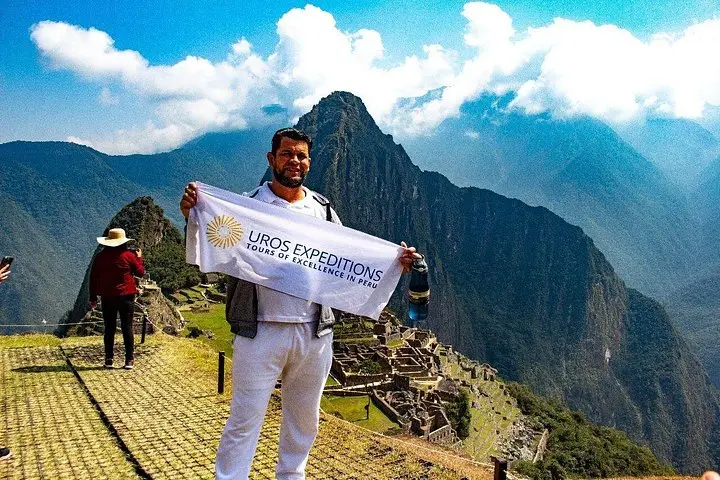
Operated by Uros Expeditions Travel Peru · Machu Picchu Pueblo (Aguas Calientes), Cusco
Dawn finds you at the train platform in Ollantaytambo, the air thin and crisp, as the rails hiss toward km 104. You step off near the Urubamba River, cross a bridge, and follow a stone path the Incas carved centuries ago—dark jungle pressing close, terraces slipping away beneath the canopy, the trail at times broad and at times a single stairway hewn into rock.
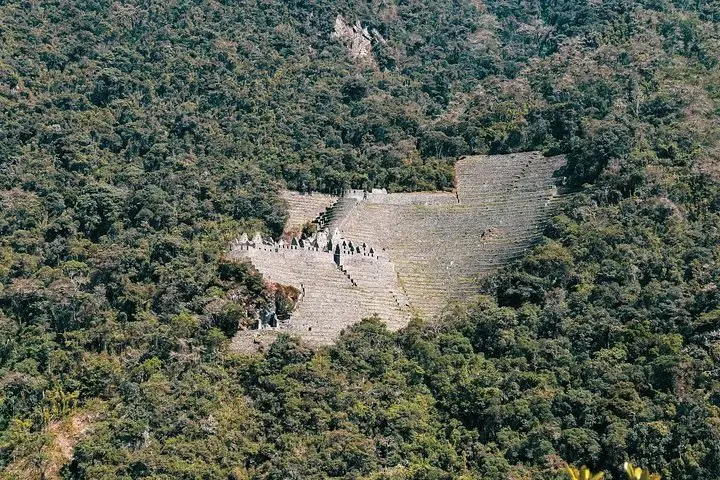
This short Inca Trail compresses the Qhapaq Ñan experience into a single day of walking before a night in Machu Picchu Pueblo. Along the route are Chachabamba, a ranger registration point, and Winaywayna’s layered agricultural platforms—both engineered responses to steep Andean slopes. Machu Picchu itself sits on a granite spine uplifted by tectonic forces, its urban core and temples reflecting Inca planning and celestial alignments.
Culturally, expect Quechua influences and local guides who translate place names and ritual practices. Geologically, the trail traverses river-carved valleys and humid montane forest where orchids and hummingbirds are common companions.
Practicalities: the hike is roughly 6 hours of walking on day one with uneven stone steps and short steep sections; day two begins early for a 2–3 hour guided tour of the Machu Picchu citadel. Trains and park permits are timed—carry your passport for site entry. Stay hydrated, pace on stairs, and protect electronics from humidity. Accommodation is in Machu Picchu Pueblo (Aguas Calientes) with a return to Cusco by train and vehicle. This route blends active hiking, archaeological highlights, and logistical simplicity—ideal for travelers who want the Inca Trail experience in a compact, well-supported package.
Expect about 5–6 hours of hiking from km 104 to Winaywayna with archaeological stops; terrain is variable with many stone steps.
This itinerary includes entrance to the Inca Trail section and Machu Picchu, as well as round-trip train tickets as listed in inclusions—carry your confirmation and passport.
The itinerary is not recommended for travelers with serious back problems due to many steps; children meeting fitness needs can participate but should be prepared for long stair sections.
Drier months (May–September) have clearer views but higher visitor numbers; early departures and visiting outside peak holiday weeks reduce crowding.
Uros Expeditions Travel Peru operates guided outdoor trips and adventures with an emphasis on safety, stewardship, and memorable experiences.
Dawn finds you at the train platform in Ollantaytambo, the air thin and crisp, as the rails hiss toward km 104. You step off near the Urubamba River, cross a bridge, and follow a stone path the Incas carved centuries ago—dark jungle pressing close, terraces slipping away beneath the canopy, the trail at times broad and at times a single stairway hewn into rock.
Dawn finds you at the train platform in Ollantaytambo, the air thin and crisp, as the rails hiss toward km 104. You step off near the Urubamba River, cross a bridge, and follow a stone path the Incas carved centuries ago—dark jungle pressing close, terraces slipping away beneath the canopy, the trail at times broad and at times a single stairway hewn into rock.
This short Inca Trail compresses the Qhapaq Ñan experience into a single day of walking before a night in Machu Picchu Pueblo. Along the route are Chachabamba, a ranger registration point, and Winaywayna’s layered agricultural platforms—both engineered responses to steep Andean slopes. Machu Picchu itself sits on a granite spine uplifted by tectonic forces, its urban core and temples reflecting Inca planning and celestial alignments.
Culturally, expect Quechua influences and local guides who translate place names and ritual practices. Geologically, the trail traverses river-carved valleys and humid montane forest where orchids and hummingbirds are common companions.
Practicalities: the hike is roughly 6 hours of walking on day one with uneven stone steps and short steep sections; day two begins early for a 2–3 hour guided tour of the Machu Picchu citadel. Trains and park permits are timed—carry your passport for site entry. Stay hydrated, pace on stairs, and protect electronics from humidity. Accommodation is in Machu Picchu Pueblo (Aguas Calientes) with a return to Cusco by train and vehicle. This route blends active hiking, archaeological highlights, and logistical simplicity—ideal for travelers who want the Inca Trail experience in a compact, well-supported package.