THE ADVENTURE COLLECTIVE® · Independent discovery and booking for outdoor travel

Walk a condensed section of the Inca Trail and arrive at Machu Picchu through the Sun Gate in two days. This short trek pairs archaeological highlights with a scenic train ride along the Urubamba River.
Walk a condensed section of the Inca Trail and arrive at Machu Picchu through the Sun Gate in two days. This short trek pairs archaeological highlights with a scenic train ride along the Urubamba River.
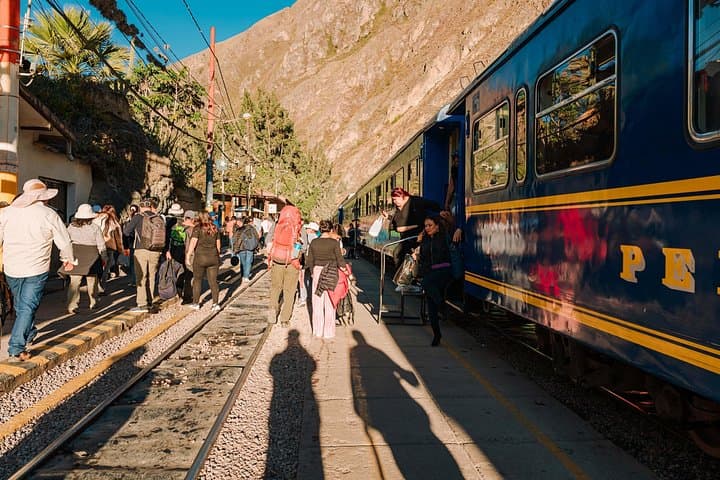
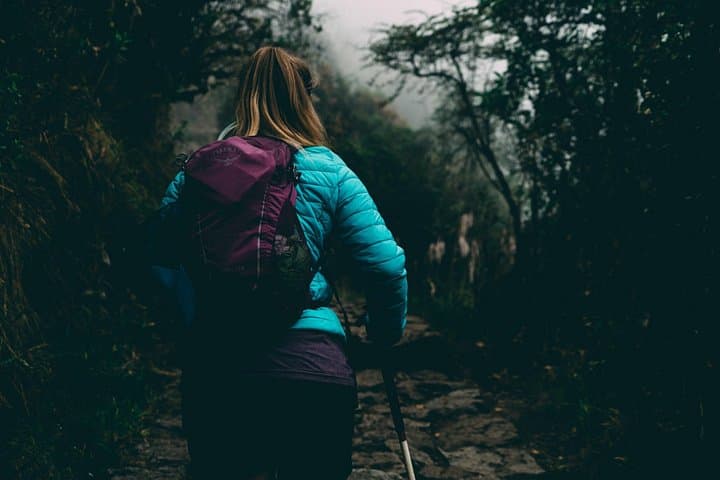
Dawn breaks over steep, cloud-silvered valleys as your small group files onto the Expedition train at Ollantaytambo, the rails humming beside the Urubamba River. By kilometer 104 the landscape changes: stone Inca steps appear, the path narrows, and the mountains start to feel like actors in a long story. This short Inca Trail compresses a classic pilgrimage into two full days—trekking past Chachabamba and Wiñay Wayna, crossing cool cloud forest, then arriving at Inti Punku, the Sun Gate, where Machu Picchu first reveals itself like a hard-won view.
Verified experiences and guided adventures in the surrounding area.
Operated by Willka Travel · Aguas Calientes (Machu Picchu Pueblo), Cusco Region
Dawn breaks over steep, cloud-silvered valleys as your small group files onto the Expedition train at Ollantaytambo, the rails humming beside the Urubamba River. By kilometer 104 the landscape changes: stone Inca steps appear, the path narrows, and the mountains start to feel like actors in a long story. This short Inca Trail compresses a classic pilgrimage into two full days—trekking past Chachabamba and Wiñay Wayna, crossing cool cloud forest, then arriving at Inti Punku, the Sun Gate, where Machu Picchu first reveals itself like a hard-won view.
Geology here is dramatic: weathered granite and andesite cliffs carved by millennia of glaciation and the rushing Vilcanota (Urubamba) River. The ruins you pass were sited with astronomical and agricultural logic—terraces clinging to slopes and water channels that still work. The Quechua culture remains present in villages and guide narration; expect stories of Inca engineering, sacred peaks (apus), and the colonial past that reshaped the region.
Practically, the route is moderate: expect steep stone stair sections, muddy forest trails, and roughly 8–10 hours of hiking spread over the two days. Acclimatize in Cusco first; carry layers for sharp temperature swings, and plan for rain even in drier months. Your night in Aguas Calientes gives a chance to soak in hot springs and rest before a guided morning tour of Machu Picchu. Return travel on the scenic train follows the river, a gentle cooldown after the exertion and a final window to watch the Andes recede.
This itinerary balances ancient trailcraft and contemporary comforts—perfect for travelers wanting the Inca Trail’s payoff without the full multi-day commitment.
The 2-day route covers the classic final section to Machu Picchu and is shorter but still includes steep stone staircases and prolonged walking—physically demanding but doable with moderate fitness.
Yes—access to the Inca Trail is controlled and entry permits are required; this short trek uses the official permit system, so book through the operator in advance.
No—those summit tickets have strict limits and usually sell out; purchase them well in advance if you plan to climb either peak.
Yes; Cusco sits at ~3,400 m and the trail starts lower but you should acclimatize in Cusco, stay hydrated, avoid alcohol before trekking, and watch for symptoms.
Willka Travel operates guided outdoor trips and adventures with an emphasis on safety, stewardship, and memorable experiences.


Dawn breaks over steep, cloud-silvered valleys as your small group files onto the Expedition train at Ollantaytambo, the rails humming beside the Urubamba River. By kilometer 104 the landscape changes: stone Inca steps appear, the path narrows, and the mountains start to feel like actors in a long story. This short Inca Trail compresses a classic pilgrimage into two full days—trekking past Chachabamba and Wiñay Wayna, crossing cool cloud forest, then arriving at Inti Punku, the Sun Gate, where Machu Picchu first reveals itself like a hard-won view.
Dawn breaks over steep, cloud-silvered valleys as your small group files onto the Expedition train at Ollantaytambo, the rails humming beside the Urubamba River. By kilometer 104 the landscape changes: stone Inca steps appear, the path narrows, and the mountains start to feel like actors in a long story. This short Inca Trail compresses a classic pilgrimage into two full days—trekking past Chachabamba and Wiñay Wayna, crossing cool cloud forest, then arriving at Inti Punku, the Sun Gate, where Machu Picchu first reveals itself like a hard-won view.
Geology here is dramatic: weathered granite and andesite cliffs carved by millennia of glaciation and the rushing Vilcanota (Urubamba) River. The ruins you pass were sited with astronomical and agricultural logic—terraces clinging to slopes and water channels that still work. The Quechua culture remains present in villages and guide narration; expect stories of Inca engineering, sacred peaks (apus), and the colonial past that reshaped the region.
Practically, the route is moderate: expect steep stone stair sections, muddy forest trails, and roughly 8–10 hours of hiking spread over the two days. Acclimatize in Cusco first; carry layers for sharp temperature swings, and plan for rain even in drier months. Your night in Aguas Calientes gives a chance to soak in hot springs and rest before a guided morning tour of Machu Picchu. Return travel on the scenic train follows the river, a gentle cooldown after the exertion and a final window to watch the Andes recede.
This itinerary balances ancient trailcraft and contemporary comforts—perfect for travelers wanting the Inca Trail’s payoff without the full multi-day commitment.