THE ADVENTURE COLLECTIVE® · Independent discovery and booking for outdoor travel

A compact, two-day trek that delivers the highlight of the Inca Trail: Wiñay Wayna, the Sun Gate and sunrise over Machu Picchu. Expect steep stone steps, cloud-forest trails and tight permit regulations — ideal for hikers with limited time but a taste for altitude.
A compact, two-day trek that delivers the highlight of the Inca Trail: Wiñay Wayna, the Sun Gate and sunrise over Machu Picchu. Expect steep stone steps, cloud-forest trails and tight permit regulations — ideal for hikers with limited time but a taste for altitude.
Dawn breaks over the Andean ridges as the train drops you at Km 104 and the trail unfurls: a zigzag of stone steps, cloud-warped valleys and terraces that seem to climb into the sky. The air is thin and sharp; columns of cloud drift through cut granite, daring you forward toward the Sun Gate. Hikers feel the ancient route underfoot — compacted paths worn by centuries of pilgrims — and every switchback reveals another fragment of Inca engineering and mist-softened ruin.
Verified experiences and guided adventures in the surrounding area.
Operated by Incatrekkers Day Tours · Aguas Calientes, Cusco Region
Dawn breaks over the Andean ridges as the train drops you at Km 104 and the trail unfurls: a zigzag of stone steps, cloud-warped valleys and terraces that seem to climb into the sky. The air is thin and sharp; columns of cloud drift through cut granite, daring you forward toward the Sun Gate. Hikers feel the ancient route underfoot — compacted paths worn by centuries of pilgrims — and every switchback reveals another fragment of Inca engineering and mist-softened ruin.
This condensed Inca Trail compresses history and geology into a single, cinematic climb. The route threads through cloud forest at roughly 2,050–2,720 m, passing Wiñay Wayna (Forever Young) and the terraces that cling to the ridge. Machu Picchu itself, built in the 15th century and brought to global attention in 1911, sits on a limestone ridge carved by glacial and fluvial action; the steep valley walls and roaring Urubamba River below shaped both the site's isolation and its strategic placement.
Practicalities are straightforward but strict: permits, entry times and guided access are controlled. Expect a 1.5-hour train from Ollantaytambo to Km 104, roughly 3–4 hours hiking to Wiñay Wayna, then another hour to Inti Punku (Sun Gate) with a final descent into Machu Picchu. Acclimatize in Cusco first, pack layered rain protection, and aim for an early arrival at the Sun Gate for softer light and fewer crowds. The overnight is in Aguas Calientes; Day Two begins with an early bus to Machu Picchu for a guided tour and return to Cusco by train or bus. Water, steady footwear and respect for site regulations make this compact trek both achievable and unforgettable.
The short Inca Trail covers less distance and time but still includes steep stone steps and altitude; it’s more accessible but requires moderate fitness and acclimatization.
Yes—permits and Machu Picchu entrance tickets are controlled and typically included by operators; book well in advance.
Dry season (May–September) offers more stable weather and clearer views, though early mornings can be chilly; the trail is open year-round with wetter conditions in December–March.
This itinerary includes a professional guide, at least one overnight accommodation in Aguas Calientes and meals as specified by the tour operator.
Incatrekkers Day Tours operates guided outdoor trips and adventures with an emphasis on safety, stewardship, and memorable experiences.
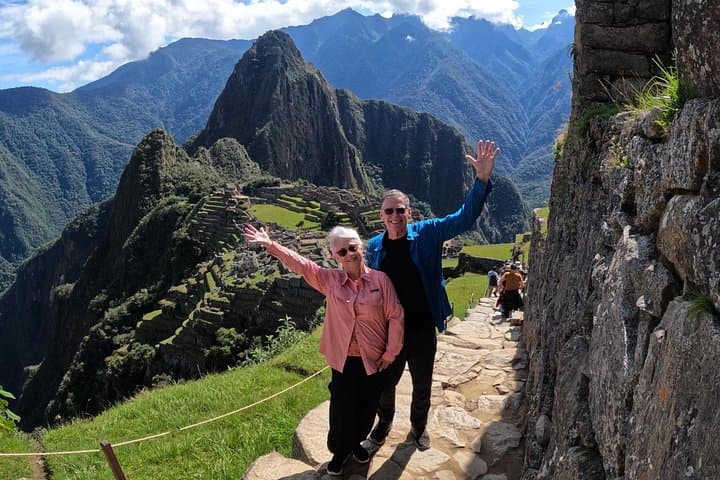
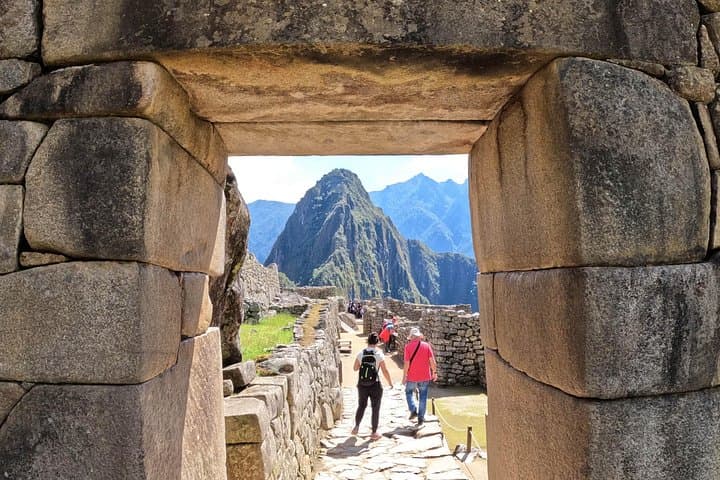
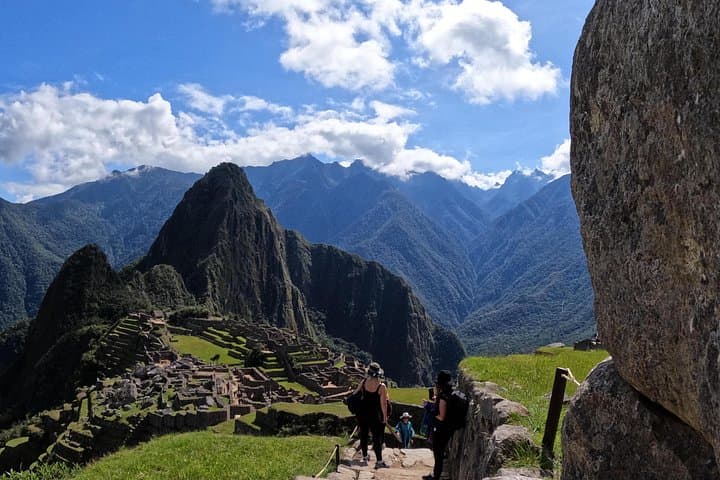
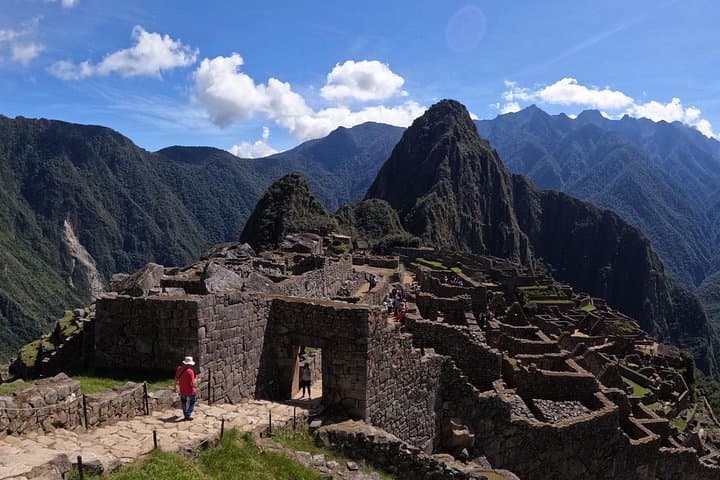
Dawn breaks over the Andean ridges as the train drops you at Km 104 and the trail unfurls: a zigzag of stone steps, cloud-warped valleys and terraces that seem to climb into the sky. The air is thin and sharp; columns of cloud drift through cut granite, daring you forward toward the Sun Gate. Hikers feel the ancient route underfoot — compacted paths worn by centuries of pilgrims — and every switchback reveals another fragment of Inca engineering and mist-softened ruin.
Dawn breaks over the Andean ridges as the train drops you at Km 104 and the trail unfurls: a zigzag of stone steps, cloud-warped valleys and terraces that seem to climb into the sky. The air is thin and sharp; columns of cloud drift through cut granite, daring you forward toward the Sun Gate. Hikers feel the ancient route underfoot — compacted paths worn by centuries of pilgrims — and every switchback reveals another fragment of Inca engineering and mist-softened ruin.
This condensed Inca Trail compresses history and geology into a single, cinematic climb. The route threads through cloud forest at roughly 2,050–2,720 m, passing Wiñay Wayna (Forever Young) and the terraces that cling to the ridge. Machu Picchu itself, built in the 15th century and brought to global attention in 1911, sits on a limestone ridge carved by glacial and fluvial action; the steep valley walls and roaring Urubamba River below shaped both the site's isolation and its strategic placement.
Practicalities are straightforward but strict: permits, entry times and guided access are controlled. Expect a 1.5-hour train from Ollantaytambo to Km 104, roughly 3–4 hours hiking to Wiñay Wayna, then another hour to Inti Punku (Sun Gate) with a final descent into Machu Picchu. Acclimatize in Cusco first, pack layered rain protection, and aim for an early arrival at the Sun Gate for softer light and fewer crowds. The overnight is in Aguas Calientes; Day Two begins with an early bus to Machu Picchu for a guided tour and return to Cusco by train or bus. Water, steady footwear and respect for site regulations make this compact trek both achievable and unforgettable.