THE ADVENTURE COLLECTIVE® · Independent discovery and booking for outdoor travel

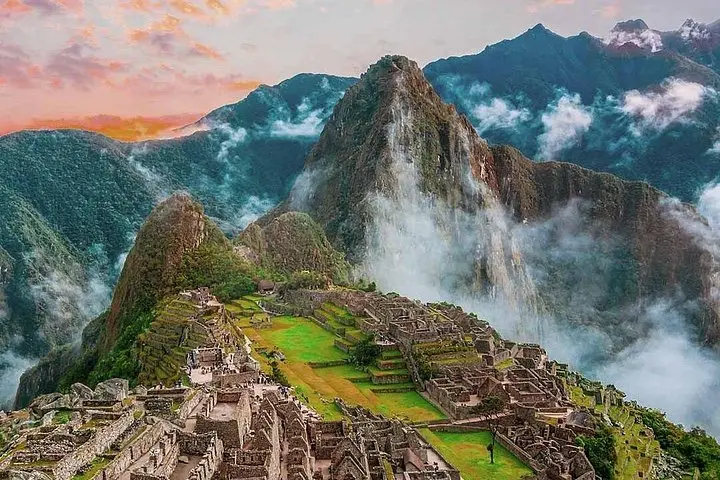
Hike the last section of the legendary Inca Trail in a single, intense day—passing Chachabamba and Wiñay Wayna before entering Machu Picchu through the Sun Gate. This guided trip combines historic ruins, cloud-forest wildlife, and a timed visit to the citadel.
Hike the last section of the legendary Inca Trail in a single, intense day—passing Chachabamba and Wiñay Wayna before entering Machu Picchu through the Sun Gate. This guided trip combines historic ruins, cloud-forest wildlife, and a timed visit to the citadel.
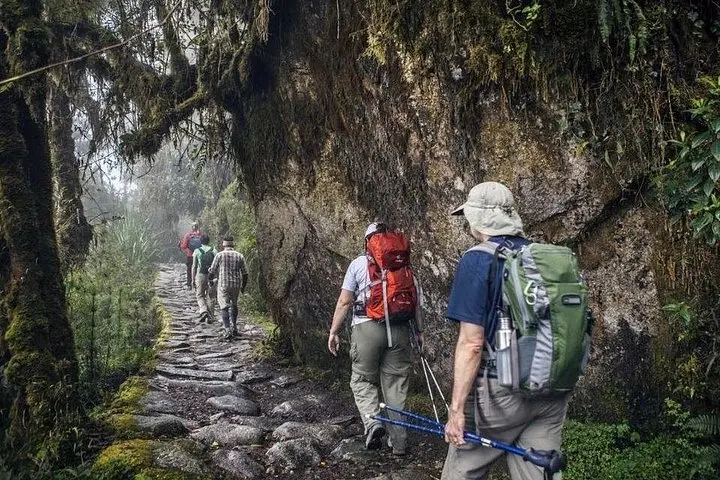
Dawn finds the group packed into a van, headlights cutting through Cusco’s thin air as the route unspools toward Ollantaytambo and the train at kilometer 104. By first light the trail narrows into cloud forest—orchids cling to stone, birds call from bromeliads—and the original Inca steps begin to climb, each worn riser keeping time with your breath.
Verified experiences and guided adventures in the surrounding area.
Operated by MACHUPICCHU TOURIST CONNECTION · Cusco, Cusco
Dawn finds the group packed into a van, headlights cutting through Cusco’s thin air as the route unspools toward Ollantaytambo and the train at kilometer 104. By first light the trail narrows into cloud forest—orchids cling to stone, birds call from bromeliads—and the original Inca steps begin to climb, each worn riser keeping time with your breath.
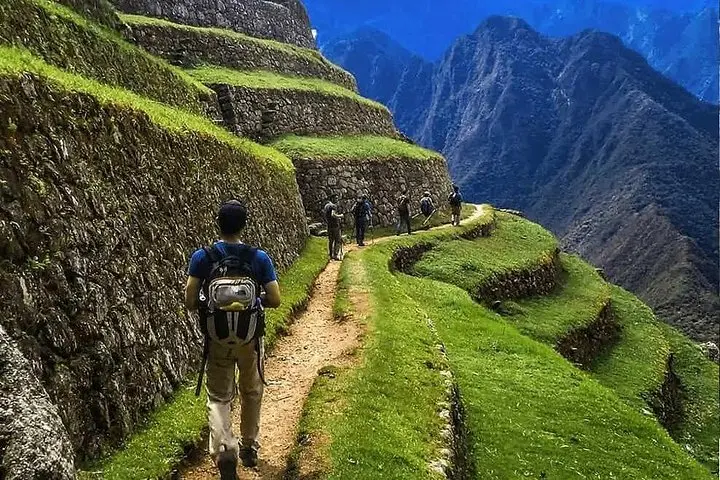
This one-day Inca Trail follows the historic footpath used by the Incas to approach Machu Picchu, passing Chachabamba’s agricultural terraces and the terraced ruins of Wiñay Wayna before cresting at Intipunku (the Sun Gate). The geology shifts from basalt and schist walls to river-carved valley floors; culturally, the route threads Inca engineering, ritual sites, and agricultural ingenuity into a compact, walkable narrative. Local guides will point out mortar marks, drainage channels, and niches carved for offerings.
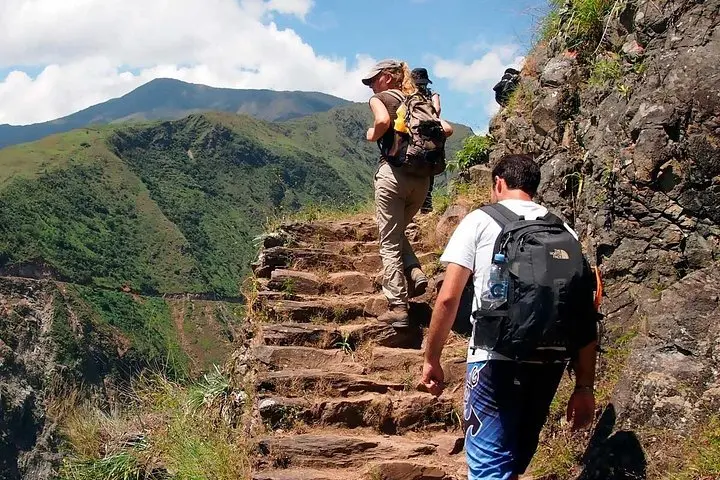
Expect steep stone steps, narrow switchbacks, and stretches of dense, humid cloud forest rich with birdlife—terrain that rewards steady pacing more than speed. Practicalities: start very early, carry rain protection, and plan for a full day including rail and bus transfers. Hydrate and snack regularly; altitude will intensify exertion even on well-graded steps.
Permits and timed entries control access—book through an operator who handles the Inca Trail/Machu Picchu 1B circuit and train logistics. Leave no trace: pack out wrappers, stay on designated paths, and follow guide directions at archaeological sites to protect fragile stonework and habitat.
The guided walking segment from KM 104 through Chachabamba, Wiñay Wayna and up to Intipunku is typically 4–6 hours of hiking, with additional time spent touring Machu Picchu.
Yes—this itinerary includes the Inca Trail/Machu Picchu 1B circuit entry; operators handle the necessary permits when booked in advance.
The route involves steep steps and altitude; it’s generally suitable for fit older teens and adults but not recommended for very young children or those with heart/spinal issues.
Typical inclusions are hotel pickup in Cusco, train one-way to KM 104, return train, private guide, entrance tickets, box lunch, and basic first-aid support.
MACHUPICCHU TOURIST CONNECTION operates guided outdoor trips and adventures with an emphasis on safety, stewardship, and memorable experiences.
Dawn finds the group packed into a van, headlights cutting through Cusco’s thin air as the route unspools toward Ollantaytambo and the train at kilometer 104. By first light the trail narrows into cloud forest—orchids cling to stone, birds call from bromeliads—and the original Inca steps begin to climb, each worn riser keeping time with your breath.
Dawn finds the group packed into a van, headlights cutting through Cusco’s thin air as the route unspools toward Ollantaytambo and the train at kilometer 104. By first light the trail narrows into cloud forest—orchids cling to stone, birds call from bromeliads—and the original Inca steps begin to climb, each worn riser keeping time with your breath.
This one-day Inca Trail follows the historic footpath used by the Incas to approach Machu Picchu, passing Chachabamba’s agricultural terraces and the terraced ruins of Wiñay Wayna before cresting at Intipunku (the Sun Gate). The geology shifts from basalt and schist walls to river-carved valley floors; culturally, the route threads Inca engineering, ritual sites, and agricultural ingenuity into a compact, walkable narrative. Local guides will point out mortar marks, drainage channels, and niches carved for offerings.
Expect steep stone steps, narrow switchbacks, and stretches of dense, humid cloud forest rich with birdlife—terrain that rewards steady pacing more than speed. Practicalities: start very early, carry rain protection, and plan for a full day including rail and bus transfers. Hydrate and snack regularly; altitude will intensify exertion even on well-graded steps.
Permits and timed entries control access—book through an operator who handles the Inca Trail/Machu Picchu 1B circuit and train logistics. Leave no trace: pack out wrappers, stay on designated paths, and follow guide directions at archaeological sites to protect fragile stonework and habitat.