THE ADVENTURE COLLECTIVE® · Independent discovery and booking for outdoor travel

A compact, two-day version of the classic Inca Trail that reaches Wiñay Wayna and the Sun Gate before dawn at Machu Picchu. This trip pairs cloud-forest hiking, Inca stonework and a night in Aguas Calientes for a high-impact, short-duration trek.
A compact, two-day version of the classic Inca Trail that reaches Wiñay Wayna and the Sun Gate before dawn at Machu Picchu. This trip pairs cloud-forest hiking, Inca stonework and a night in Aguas Calientes for a high-impact, short-duration trek.
Morning mist parts like a curtain as the group sets off from KM 104, the Urubamba River murmuring below and orchids dotting the trail like small flags. The first climb tests lungs acclimated to Cusco’s altitude, then opens onto the terraced ruins of Wiñay Wayna where stonework and orchids compete for attention. By late afternoon the Sun Gate frames Machu Picchu’s ridge, the citadel revealing itself in slow, dramatic increments.
Verified experiences and guided adventures in the surrounding area.
Operated by Wari Adventures · Aguas Calientes, Cusco
Morning mist parts like a curtain as the group sets off from KM 104, the Urubamba River murmuring below and orchids dotting the trail like small flags. The first climb tests lungs acclimated to Cusco’s altitude, then opens onto the terraced ruins of Wiñay Wayna where stonework and orchids compete for attention. By late afternoon the Sun Gate frames Machu Picchu’s ridge, the citadel revealing itself in slow, dramatic increments.
This short Inca Trail follows a segment of the empire’s ancient trackwork—stone stairways, agricultural terraces, and narrow switchbacks hewn into Andean slopes. Geologically the path threads cloud-forest and subtropical valleys, where granitic ridges give way to volcanic soils that feed diverse orchids. Culturally, the route is a direct link to 15th-century Inca pilgrimage networks; many of the ruins en route served agricultural, ceremonial and astronomical functions.
Practical guidance is straightforward: the hike covers roughly 12–14 km over two days with sustained uphill sections and altitude gains that reward steady pacing more than speed. Expect uneven stone stairs, muddy sections in the wet season, and multiple microclimates—bring layers and a light rain shell. Meals on this tour emphasize regional produce—organic boxed lunches and cooked dinners in Aguas Calientes—so energy needs are covered.
Plan for early starts to catch soft light at Intipunku, carry blister care, and drink often to offset altitude. Trains and regulated entrance permits mean logistics are tightly scheduled; follow the guide’s timeline and allow time for photos at panoramic points. The short Inca Trail compresses the classic approach into an accessible, high-impact two-day expedition.
The two-day option compresses key highlights with steeper daily mileage and less acclimation time—physically demanding but shorter overall; it’s best for fit hikers with some altitude prep.
This tour includes Inca Trail/Machu Picchu entrance fees and round-trip train tickets as part of its package, but carry passport used for booking when entering the site.
Infants must sit on laps and the trail’s stairs and altitude make it unsuitable for very young children; check operator age policies before booking.
Acclimatize in Cusco, stay well hydrated, ascend at a steady pace, and consider prophylactic acetazolamide only after consulting a physician.
Wari Adventures operates guided outdoor trips and adventures with an emphasis on safety, stewardship, and memorable experiences.
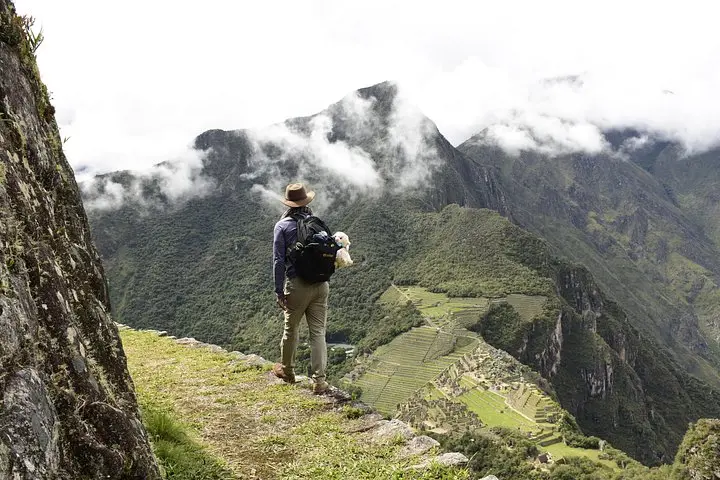
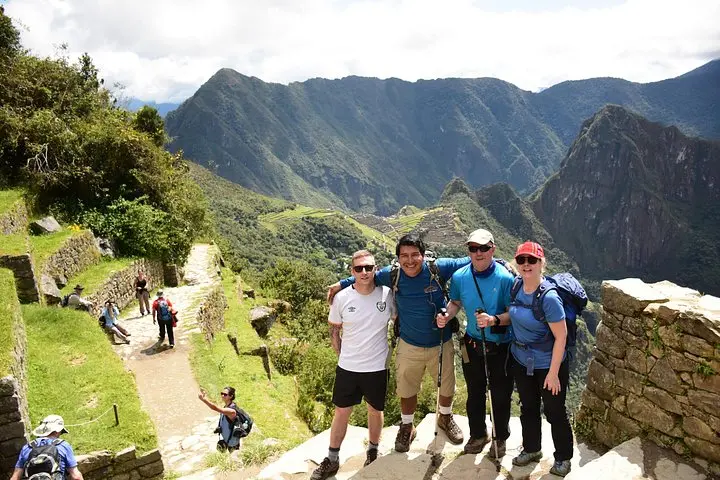
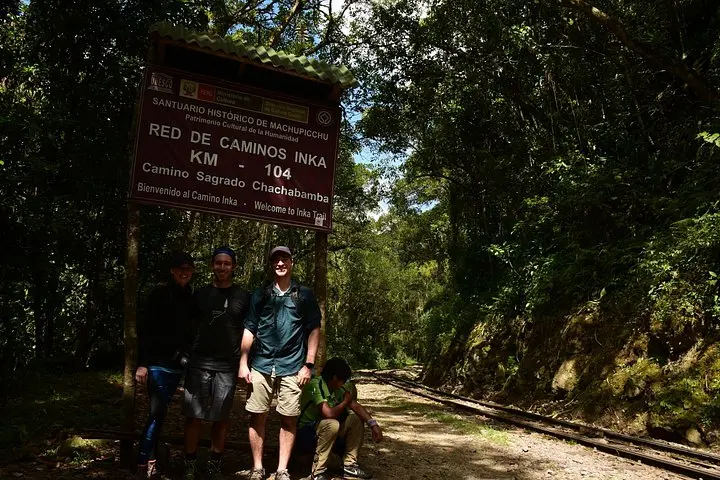
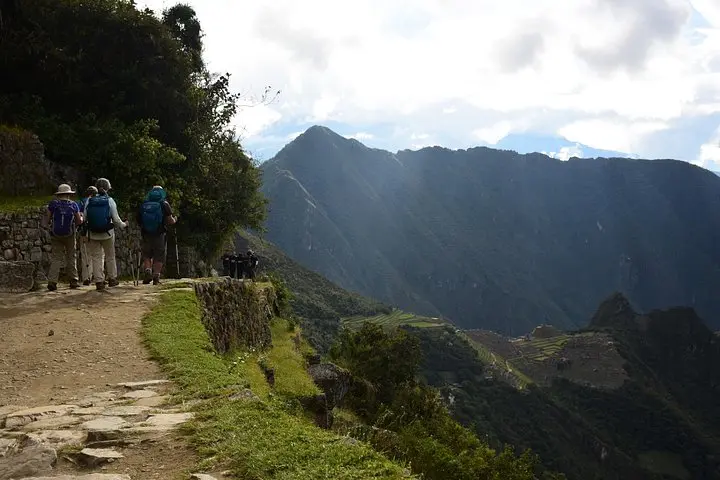
Morning mist parts like a curtain as the group sets off from KM 104, the Urubamba River murmuring below and orchids dotting the trail like small flags. The first climb tests lungs acclimated to Cusco’s altitude, then opens onto the terraced ruins of Wiñay Wayna where stonework and orchids compete for attention. By late afternoon the Sun Gate frames Machu Picchu’s ridge, the citadel revealing itself in slow, dramatic increments.
Morning mist parts like a curtain as the group sets off from KM 104, the Urubamba River murmuring below and orchids dotting the trail like small flags. The first climb tests lungs acclimated to Cusco’s altitude, then opens onto the terraced ruins of Wiñay Wayna where stonework and orchids compete for attention. By late afternoon the Sun Gate frames Machu Picchu’s ridge, the citadel revealing itself in slow, dramatic increments.
This short Inca Trail follows a segment of the empire’s ancient trackwork—stone stairways, agricultural terraces, and narrow switchbacks hewn into Andean slopes. Geologically the path threads cloud-forest and subtropical valleys, where granitic ridges give way to volcanic soils that feed diverse orchids. Culturally, the route is a direct link to 15th-century Inca pilgrimage networks; many of the ruins en route served agricultural, ceremonial and astronomical functions.
Practical guidance is straightforward: the hike covers roughly 12–14 km over two days with sustained uphill sections and altitude gains that reward steady pacing more than speed. Expect uneven stone stairs, muddy sections in the wet season, and multiple microclimates—bring layers and a light rain shell. Meals on this tour emphasize regional produce—organic boxed lunches and cooked dinners in Aguas Calientes—so energy needs are covered.
Plan for early starts to catch soft light at Intipunku, carry blister care, and drink often to offset altitude. Trains and regulated entrance permits mean logistics are tightly scheduled; follow the guide’s timeline and allow time for photos at panoramic points. The short Inca Trail compresses the classic approach into an accessible, high-impact two-day expedition.