THE ADVENTURE COLLECTIVE® · Independent discovery and booking for outdoor travel

A compact, high-altitude circuit that reaches Ponkar Lake (c.4100 m) and delivers sweeping views of Mount Manaslu. Expect village teahouses, steady climbs, and basic lodge comforts across 6–8 days of trekking.
A compact, high-altitude circuit that reaches Ponkar Lake (c.4100 m) and delivers sweeping views of Mount Manaslu. Expect village teahouses, steady climbs, and basic lodge comforts across 6–8 days of trekking.
You step off the jeep in Dharapani and the road noise shuts like a door; ahead the valley opens and the river dares you to keep moving. The Short Manaslu Trek stitches villages, river gorges, and open alpine bowls into an 8–10 day circuit that pushes to 4,100 m at Ponkar Lake and delivers a face-to-face view of Mount Manaslu.
Verified experiences and guided adventures in the surrounding area.
Operated by Nepal Kailash Trekking · Bhimtang, Gandaki Province
You step off the jeep in Dharapani and the road noise shuts like a door; ahead the valley opens and the river dares you to keep moving. The Short Manaslu Trek stitches villages, river gorges, and open alpine bowls into an 8–10 day circuit that pushes to 4,100 m at Ponkar Lake and delivers a face-to-face view of Mount Manaslu.
The route follows old trade trails and seasonal yak paths through the Manaslu Conservation Area, a landscape shaped by glacier-fed rivers and young, folding Himalaya geology. Local Gurung and Tibetan-influenced communities still practice transhumance and Buddhist rituals; you pass mani walls, prayer flags, and stone monasteries en route to Bhimtang.
Days alternate between forested river walks and high, exposed ridgelines where wind and sun become active companions. Ponkar Lake sits in a cirque beneath sharp ridges—an ideal dawn viewpoint for the Manaslu massif. Wildlife is discreet: Himalayan snowcock call from scree, and bharal (blue sheep) can appear on distant slopes.
Practical guidance: allow time to acclimatize, drink often, and keep pace slow on uphill sections; footwear should be sturdy with good traction. Meals and lodges along the trail are basic but warm—pack a headlamp and a dry-bag for wet-season travel. Permits are required; hire a licensed guide and a porter to shorten walking days and support local economies. Start early to avoid afternoon storms and carry layered insulation for cold nights above 3,000 m. This short circuit balances cultural insight and serious mountain scenery—compact, demanding, and richly rewarding.
Yes. The Manaslu Conservation Area permit and restricted area permits are required; these are typically arranged by your operator or guide before trekking.
The trek reaches about 4,100 m quickly, so altitude effects are possible—pace yourself, hydrate, and communicate symptoms with your guide immediately.
Teahouse lodges provide twin rooms with basic bedding and three meals (Dal Bhat is common); bring snacks and any specialty food you need.
Solo trekking is possible but hiring a licensed guide is strongly recommended for permits, navigation, safety, and to support local employment.
Nepal Kailash Trekking operates guided outdoor trips and adventures with an emphasis on safety, stewardship, and memorable experiences.
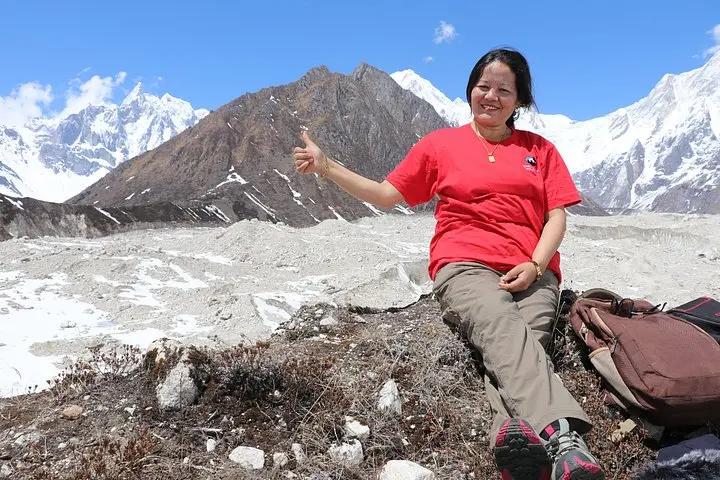
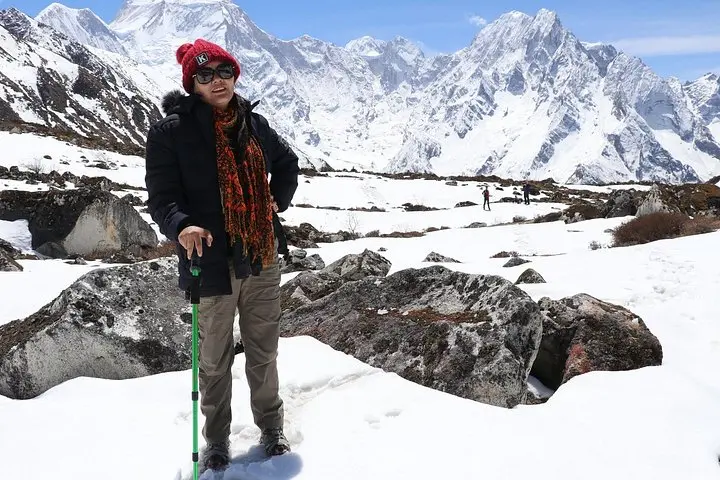
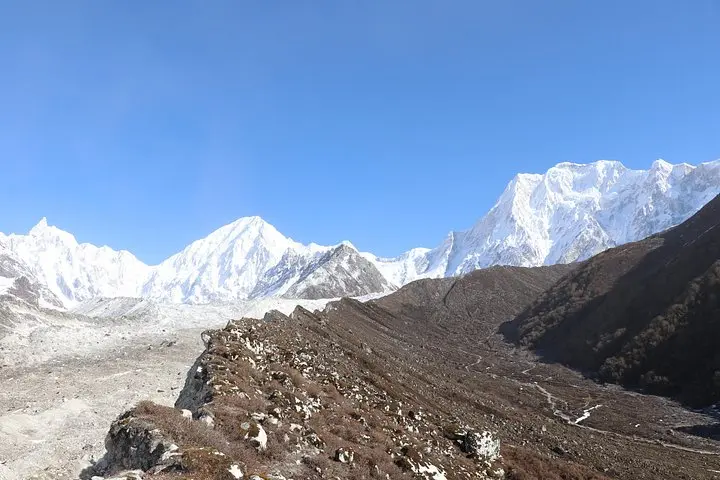
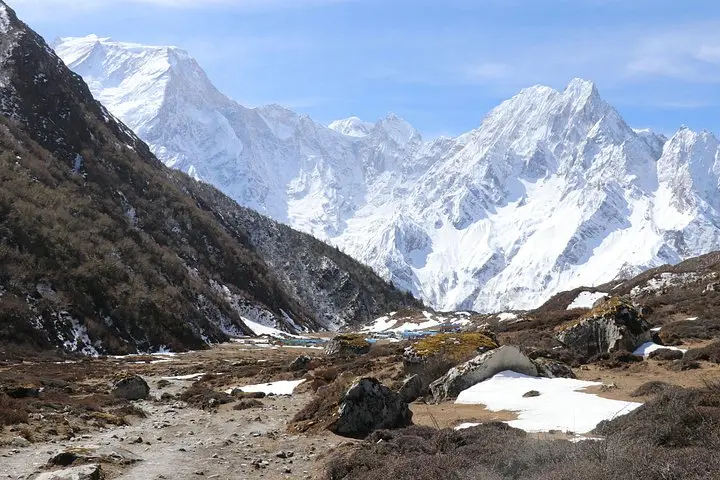
You step off the jeep in Dharapani and the road noise shuts like a door; ahead the valley opens and the river dares you to keep moving. The Short Manaslu Trek stitches villages, river gorges, and open alpine bowls into an 8–10 day circuit that pushes to 4,100 m at Ponkar Lake and delivers a face-to-face view of Mount Manaslu.
You step off the jeep in Dharapani and the road noise shuts like a door; ahead the valley opens and the river dares you to keep moving. The Short Manaslu Trek stitches villages, river gorges, and open alpine bowls into an 8–10 day circuit that pushes to 4,100 m at Ponkar Lake and delivers a face-to-face view of Mount Manaslu.
The route follows old trade trails and seasonal yak paths through the Manaslu Conservation Area, a landscape shaped by glacier-fed rivers and young, folding Himalaya geology. Local Gurung and Tibetan-influenced communities still practice transhumance and Buddhist rituals; you pass mani walls, prayer flags, and stone monasteries en route to Bhimtang.
Days alternate between forested river walks and high, exposed ridgelines where wind and sun become active companions. Ponkar Lake sits in a cirque beneath sharp ridges—an ideal dawn viewpoint for the Manaslu massif. Wildlife is discreet: Himalayan snowcock call from scree, and bharal (blue sheep) can appear on distant slopes.
Practical guidance: allow time to acclimatize, drink often, and keep pace slow on uphill sections; footwear should be sturdy with good traction. Meals and lodges along the trail are basic but warm—pack a headlamp and a dry-bag for wet-season travel. Permits are required; hire a licensed guide and a porter to shorten walking days and support local economies. Start early to avoid afternoon storms and carry layered insulation for cold nights above 3,000 m. This short circuit balances cultural insight and serious mountain scenery—compact, demanding, and richly rewarding.