THE ADVENTURE COLLECTIVE® · Independent discovery and booking for outdoor travel

A private, 5–6 hour hike to Shoshone Lake offers open meadows, lodgepole forest, and a shoreline lunch at Yellowstone's largest backcountry lake. Expect gentle grades, geothermal viewpoints, and expert guide narration on natural and cultural history.
A private, 5–6 hour hike to Shoshone Lake offers open meadows, lodgepole forest, and a shoreline lunch at Yellowstone's largest backcountry lake. Expect gentle grades, geothermal viewpoints, and expert guide narration on natural and cultural history.
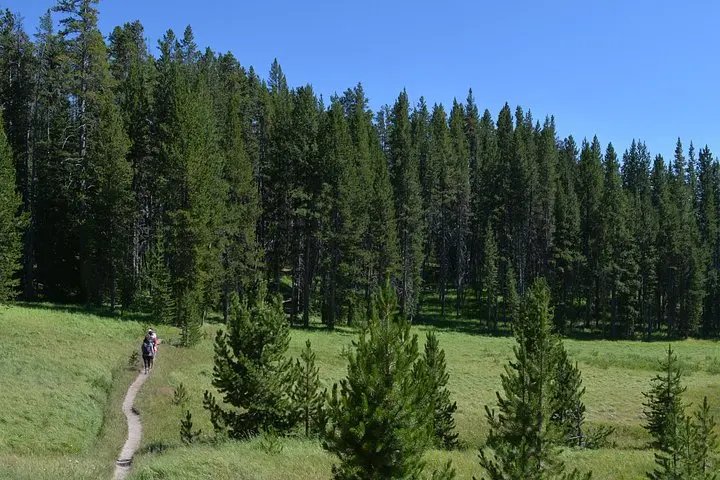
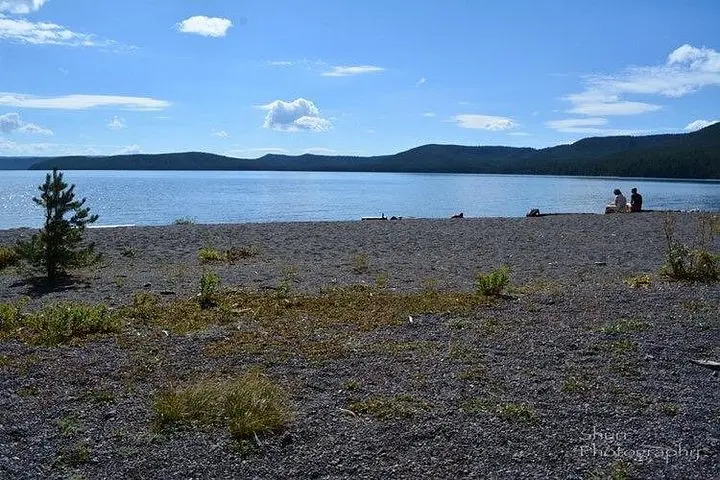
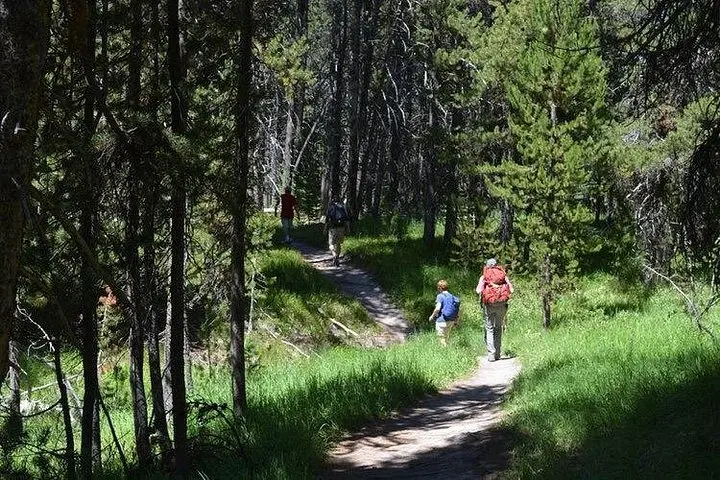
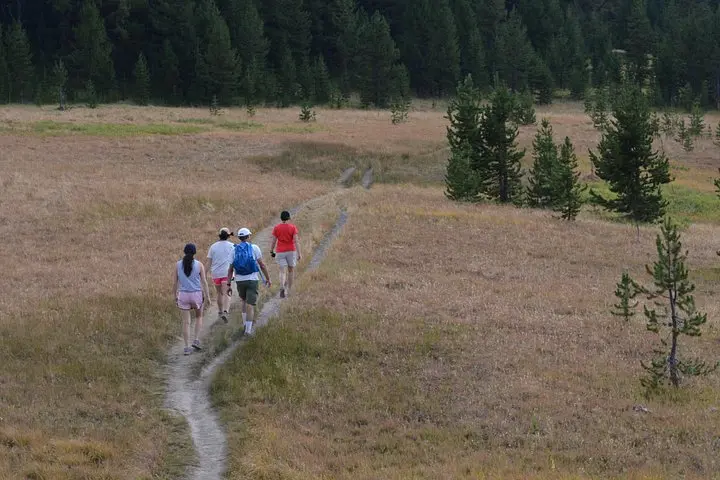
You step out of the lodge-side vehicle into a wide, quiet meadow; sage and grasses whisper as a guide points you toward a distant rim of pines. The trail opens and closes—meadow to forest—each bend revealing a thicker smell of lodgepole and the glint of water beyond the trees. By midday the lake surfaces into view: broad, wind-swept, and framed by softened rhyolite slopes.
Verified experiences and guided adventures in the surrounding area.
Operated by Shurr Adventures Everglades · West Yellowstone, Montana
You step out of the lodge-side vehicle into a wide, quiet meadow; sage and grasses whisper as a guide points you toward a distant rim of pines. The trail opens and closes—meadow to forest—each bend revealing a thicker smell of lodgepole and the glint of water beyond the trees. By midday the lake surfaces into view: broad, wind-swept, and framed by softened rhyolite slopes.
Shoshone Lake is Yellowstone's largest backcountry lake and predates much of the park's modern visitation. Its basin reflects the region's volcanic past—pyroclastic flows and hydrothermal action sculpted the surrounding ridges—and the area's human history ties to Native Shoshone use and early 20th‑century conservation efforts that shaped park policy.
On this private 5–6 hour outing expect mostly gentle terrain, open meadows, and shaded forest tracks with minimal sustained climbing; the route favors relaxed rhythm over technical challenge. Guides often pause at thermal overlooks and point out geothermal features, songbird activity, and the subtle marshy margins where cutthroat trout spawn. Lunch at the shoreline feels deliberately simple—sand, sun, wind, and a wide water view.
Practical notes: carry bear-aware gear, bring 2–3 liters of water, and wear sturdy boots for mixed dirt and rooty tread. Morning starts reduce afternoon wind and increase wildlife sightings; packing layers is essential—weather shifts quickly at this elevation. Cell service is unreliable; plan on relying on your guide and leave a trip plan with your base town.
No day‑hike permit is required for guided tours; backcountry overnight camping at Shoshone Lake requires a Yellowstone backcountry permit.
Older, active children used to long walks can manage the route, but the tour requires sustained attention to wildlife safety and trail conditions—check with the operator about minimum ages.
Expect no reliable cell coverage; guides carry maps and emergency communications according to park protocols.
Pets are prohibited on most Yellowstone trails and in park backcountry; confirm park regulations before bringing animals.
Shurr Adventures Everglades operates guided outdoor trips and adventures with an emphasis on safety, stewardship, and memorable experiences.
You step out of the lodge-side vehicle into a wide, quiet meadow; sage and grasses whisper as a guide points you toward a distant rim of pines. The trail opens and closes—meadow to forest—each bend revealing a thicker smell of lodgepole and the glint of water beyond the trees. By midday the lake surfaces into view: broad, wind-swept, and framed by softened rhyolite slopes.
You step out of the lodge-side vehicle into a wide, quiet meadow; sage and grasses whisper as a guide points you toward a distant rim of pines. The trail opens and closes—meadow to forest—each bend revealing a thicker smell of lodgepole and the glint of water beyond the trees. By midday the lake surfaces into view: broad, wind-swept, and framed by softened rhyolite slopes.
Shoshone Lake is Yellowstone's largest backcountry lake and predates much of the park's modern visitation. Its basin reflects the region's volcanic past—pyroclastic flows and hydrothermal action sculpted the surrounding ridges—and the area's human history ties to Native Shoshone use and early 20th‑century conservation efforts that shaped park policy.
On this private 5–6 hour outing expect mostly gentle terrain, open meadows, and shaded forest tracks with minimal sustained climbing; the route favors relaxed rhythm over technical challenge. Guides often pause at thermal overlooks and point out geothermal features, songbird activity, and the subtle marshy margins where cutthroat trout spawn. Lunch at the shoreline feels deliberately simple—sand, sun, wind, and a wide water view.
Practical notes: carry bear-aware gear, bring 2–3 liters of water, and wear sturdy boots for mixed dirt and rooty tread. Morning starts reduce afternoon wind and increase wildlife sightings; packing layers is essential—weather shifts quickly at this elevation. Cell service is unreliable; plan on relying on your guide and leave a trip plan with your base town.