THE ADVENTURE COLLECTIVE® · Independent discovery and booking for outdoor travel

Throttle up for a three‑hour side‑by‑side ride from the Migriño hills to the Pacific: a mix of Baja 1000 test trails, sand‑filled riverbeds and coastal views. Read on for what to expect, safety tips, and local insights before you ride.
Throttle up for a three‑hour side‑by‑side ride from the Migriño hills to the Pacific: a mix of Baja 1000 test trails, sand‑filled riverbeds and coastal views. Read on for what to expect, safety tips, and local insights before you ride.
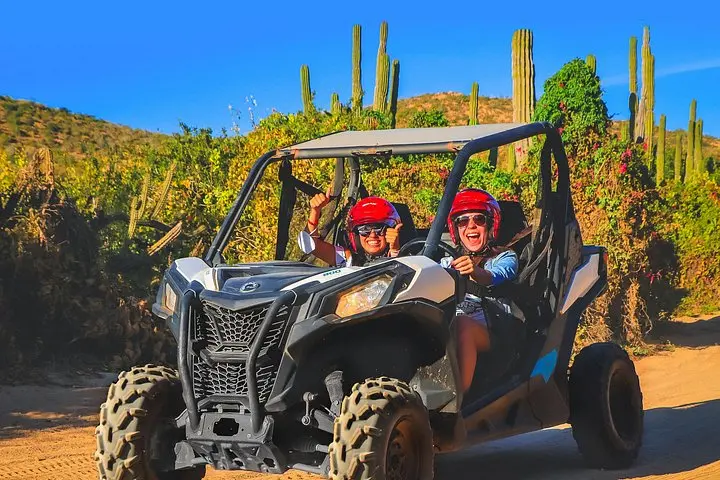
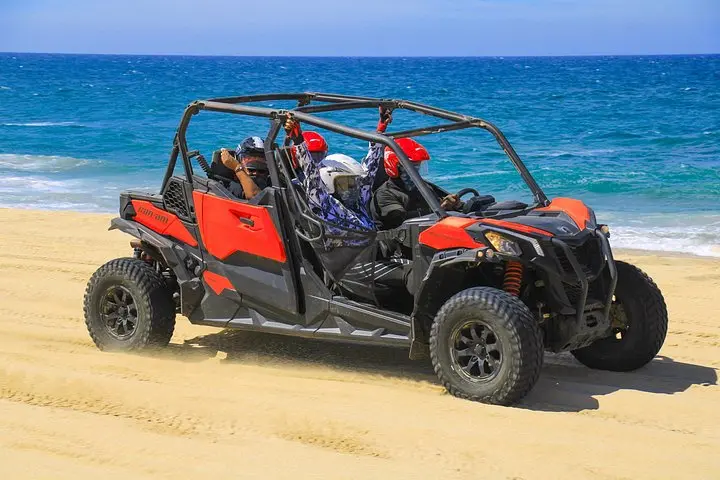
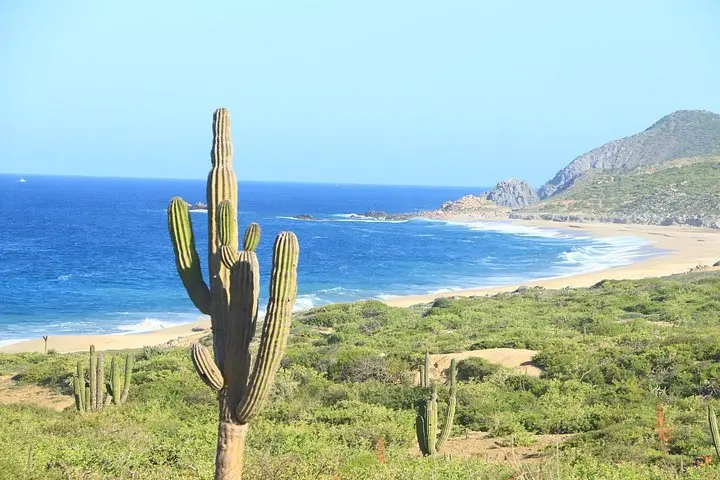
You push off from the staging area and the world rearranges itself into rhythm: engine thrum, sand compressing, a sharp blue Pacific breaking to your right. The Migriño landscape moves fast — low scrub, sculpted dunes, ravine mouths cut by seasonal creeks — and the side-by-side answers like an eager companion, throwing spray and dust into the late-morning light. In three hours you’ll cross desert flats, test sections of Baja 1000 course, and finish riding out onto Migriño Beach where the dry riverbed spills its sand into the surf.
Verified experiences and guided adventures in the surrounding area.
Operated by CalypsoTrip · Cabo San Lucas, Baja California Sur
You push off from the staging area and the world rearranges itself into rhythm: engine thrum, sand compressing, a sharp blue Pacific breaking to your right. The Migriño landscape moves fast — low scrub, sculpted dunes, ravine mouths cut by seasonal creeks — and the side-by-side answers like an eager companion, throwing spray and dust into the late-morning light. In three hours you’ll cross desert flats, test sections of Baja 1000 course, and finish riding out onto Migriño Beach where the dry riverbed spills its sand into the surf.
Baja’s coastline here is geological shorthand: young volcanic rock meets Pleistocene terraces and wind-shaped dunes. The trails follow natural drainage lines that have chiseled the hills into the gullies racers favor; the sandy riverbed at Migriño is one of those transition zones where freshwater run-off meets the Pacific’s pull. Human history is equally layered — indigenous fishing camps gave way to ranching and, more recently, motorsports culture when international off-road events put this stretch of coast on the map.
Local culture surfaces roadside: faded corrales, a solitary palapa where fishermen mend nets, and the occasional ranchero who’ll wave as you pass. Guides on this run are part mechanic, part naturalist — they’ll point out endemic plants like ocotillo and brittle shrubs, and explain how the Baja 1000 pushed trail engineering and local economies alike. Wildlife here is low-profile but present; gulls wheel over surf while desert hares and lizards melt into the scrub.
Practical rhythm matters. The route is mixed terrain: packed dirt, loose sand, riverbed flats and technical rutted sections used for racing. Expect short, punchy elevation shifts and a few tight gullies that demand throttle control rather than brute speed. The operator supplies helmets and safety gear; riders should have at least a moderate level of fitness and be comfortable with sudden bumps and lateral forces.
Plan for sun and wind. Mornings are cooler and dust is easier to manage before onshore sea breezes pick up; late afternoon gives dramatic light for photos but can bring stronger crosswinds on exposed ridges. Hydrate before you go and bring a small pack—there’s bottled water provided but having electrolytes and a bandana or buff makes long stretches more comfortable. If you have previous ATV or SxS experience, let the guide know; they’ll match sections of trail to skill level and keep the group moving safely.
The payoff is immediate: the shore opens, tires carve the sand, and the ocean reasserts itself — relentless and indifferent — as your ride slows into Migriño’s white beach. For three hours the land pushes back, invites motion, and in doing so reveals the raw contrast that makes Baja off-roading uniquely addictive.
Minimum age is 8 years; child passengers must fit safely in the vehicle and follow guide instructions.
Yes — helmets and basic safety equipment are provided by the operator as part of the tour.
Yes; the guides adapt sections for novice riders, but participants should have a moderate level of fitness and be comfortable with bumpy terrain.
This tour is not recommended for people with significant back, heart, or other serious medical conditions; consult your physician before booking.
Roundtrip hotel/port pickup and drop-off in the Los Cabos area is included—confirm pickup time with the operator after booking.
Tours may be canceled for safety in heavy rain or extreme conditions; you’ll be offered an alternative date or full refund per the cancellation policy.
CalypsoTrip operates guided outdoor trips and adventures with an emphasis on safety, stewardship, and memorable experiences.

You push off from the staging area and the world rearranges itself into rhythm: engine thrum, sand compressing, a sharp blue Pacific breaking to your right. The Migriño landscape moves fast — low scrub, sculpted dunes, ravine mouths cut by seasonal creeks — and the side-by-side answers like an eager companion, throwing spray and dust into the late-morning light. In three hours you’ll cross desert flats, test sections of Baja 1000 course, and finish riding out onto Migriño Beach where the dry riverbed spills its sand into the surf.
You push off from the staging area and the world rearranges itself into rhythm: engine thrum, sand compressing, a sharp blue Pacific breaking to your right. The Migriño landscape moves fast — low scrub, sculpted dunes, ravine mouths cut by seasonal creeks — and the side-by-side answers like an eager companion, throwing spray and dust into the late-morning light. In three hours you’ll cross desert flats, test sections of Baja 1000 course, and finish riding out onto Migriño Beach where the dry riverbed spills its sand into the surf.
Baja’s coastline here is geological shorthand: young volcanic rock meets Pleistocene terraces and wind-shaped dunes. The trails follow natural drainage lines that have chiseled the hills into the gullies racers favor; the sandy riverbed at Migriño is one of those transition zones where freshwater run-off meets the Pacific’s pull. Human history is equally layered — indigenous fishing camps gave way to ranching and, more recently, motorsports culture when international off-road events put this stretch of coast on the map.
Local culture surfaces roadside: faded corrales, a solitary palapa where fishermen mend nets, and the occasional ranchero who’ll wave as you pass. Guides on this run are part mechanic, part naturalist — they’ll point out endemic plants like ocotillo and brittle shrubs, and explain how the Baja 1000 pushed trail engineering and local economies alike. Wildlife here is low-profile but present; gulls wheel over surf while desert hares and lizards melt into the scrub.
Practical rhythm matters. The route is mixed terrain: packed dirt, loose sand, riverbed flats and technical rutted sections used for racing. Expect short, punchy elevation shifts and a few tight gullies that demand throttle control rather than brute speed. The operator supplies helmets and safety gear; riders should have at least a moderate level of fitness and be comfortable with sudden bumps and lateral forces.
Plan for sun and wind. Mornings are cooler and dust is easier to manage before onshore sea breezes pick up; late afternoon gives dramatic light for photos but can bring stronger crosswinds on exposed ridges. Hydrate before you go and bring a small pack—there’s bottled water provided but having electrolytes and a bandana or buff makes long stretches more comfortable. If you have previous ATV or SxS experience, let the guide know; they’ll match sections of trail to skill level and keep the group moving safely.
The payoff is immediate: the shore opens, tires carve the sand, and the ocean reasserts itself — relentless and indifferent — as your ride slows into Migriño’s white beach. For three hours the land pushes back, invites motion, and in doing so reveals the raw contrast that makes Baja off-roading uniquely addictive.