THE ADVENTURE COLLECTIVE® · Independent discovery and booking for outdoor travel

Cycle through centuries of Khmer history on a three-day tour that pairs Angkor’s major temples with village roads and Tonle Sap’s floating communities. Expect flat, manageable riding, an experienced guide, and cultural highlights with practical logistics handled.
Cycle through centuries of Khmer history on a three-day tour that pairs Angkor’s major temples with village roads and Tonle Sap’s floating communities. Expect flat, manageable riding, an experienced guide, and cultural highlights with practical logistics handled.
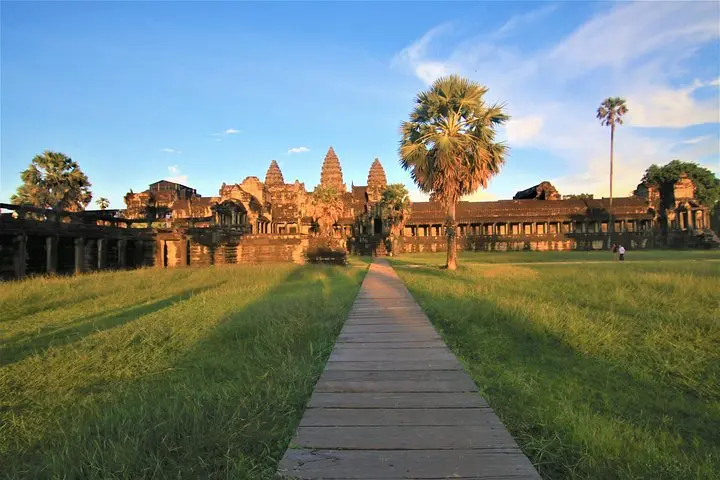
You start before dawn, tires whispering over compacted dirt as the silhouette of Angkor's stone towers cuts across a pale sky. The air is humid, mango-sweet, and the first light picks out bas-reliefs carved a thousand years ago—your guide points to a scene and the pedaling slows as history demands attention.
Verified experiences and guided adventures in the surrounding area.
Operated by Tour East Cambodia · Siem Reap, Siem Reap Province
You start before dawn, tires whispering over compacted dirt as the silhouette of Angkor's stone towers cuts across a pale sky. The air is humid, mango-sweet, and the first light picks out bas-reliefs carved a thousand years ago—your guide points to a scene and the pedaling slows as history demands attention.
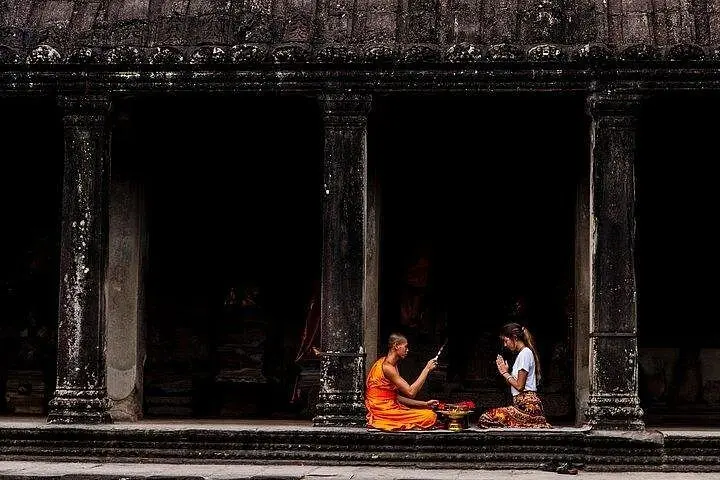
This three-day program combines gentle touring with deep cultural context: Angkor Wat and Angkor Thom date to the Khmer Empire of the 12th century, while Ta Prohm shows how rainforest and ruin reclaim each other. Geologically the plain is recent alluvium fed by the Mekong and Tonle Sap; that seasonal pulse made Angkor possible and still governs life on the lake. Culturally expect respectful dress at temples, Khmer hospitality in village markets, and an evening performance of Apsara dance on day two.
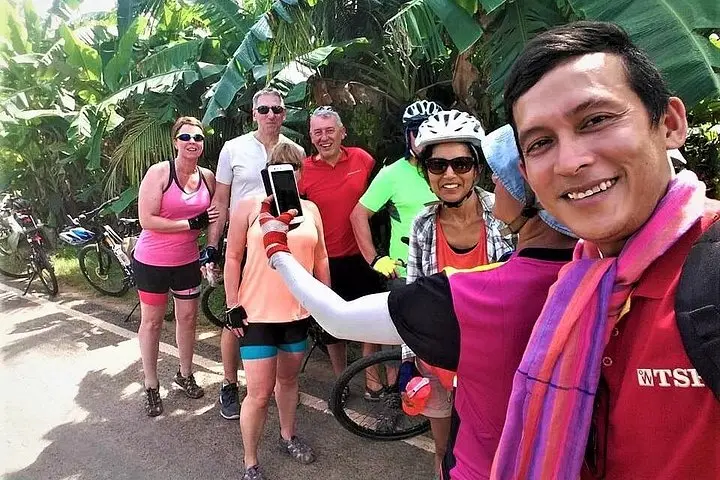
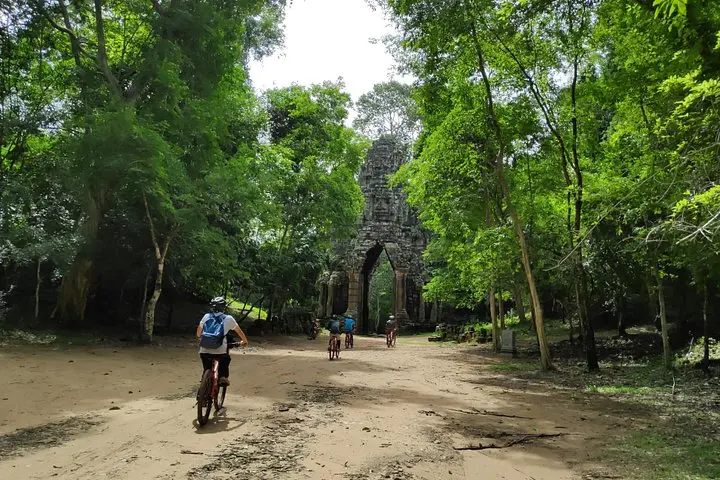
Practicalities are straightforward. Most cycling is on flat, rural roads and park tracks—daily riding ranges from short transfers to a full day in the Angkor zone (roughly 20–40 km of mixed terrain). The operator provides a mountain bike, helmet, support vehicle and cold water; an A/C vehicle is available at the end of long rides. Bring a refillable water bottle, sun protection, light breathable clothing that covers knees and shoulders in temples, and modest shoes for walking on uneven stone.
Plan departures early to avoid midday heat and crowds, hydrate constantly, and use the support vehicle if you need a break. This itinerary is well suited to riders who want history and local life paired with manageable cycling and on-road backup.
Yes — the tour supplies high-quality mountain bikes and helmets; guides will fit equipment before the ride.
No advanced experience is necessary; basic bike handling and comfort riding on mixed surfaces are enough, and a support vehicle is available.
Daily distances vary—short transfers and temple walks on day one, a full cycling day of about 20–40 km in the Angkor zone on day two, and short excursions plus a boat trip to Tonle Sap on day three.
Yes — bring small bills for local lunches, market purchases, tips, and small temple donations; larger establishments accept cards but rural vendors do not.
Tour East Cambodia operates guided outdoor trips and adventures with an emphasis on safety, stewardship, and memorable experiences.
You start before dawn, tires whispering over compacted dirt as the silhouette of Angkor's stone towers cuts across a pale sky. The air is humid, mango-sweet, and the first light picks out bas-reliefs carved a thousand years ago—your guide points to a scene and the pedaling slows as history demands attention.
You start before dawn, tires whispering over compacted dirt as the silhouette of Angkor's stone towers cuts across a pale sky. The air is humid, mango-sweet, and the first light picks out bas-reliefs carved a thousand years ago—your guide points to a scene and the pedaling slows as history demands attention.
This three-day program combines gentle touring with deep cultural context: Angkor Wat and Angkor Thom date to the Khmer Empire of the 12th century, while Ta Prohm shows how rainforest and ruin reclaim each other. Geologically the plain is recent alluvium fed by the Mekong and Tonle Sap; that seasonal pulse made Angkor possible and still governs life on the lake. Culturally expect respectful dress at temples, Khmer hospitality in village markets, and an evening performance of Apsara dance on day two.
Practicalities are straightforward. Most cycling is on flat, rural roads and park tracks—daily riding ranges from short transfers to a full day in the Angkor zone (roughly 20–40 km of mixed terrain). The operator provides a mountain bike, helmet, support vehicle and cold water; an A/C vehicle is available at the end of long rides. Bring a refillable water bottle, sun protection, light breathable clothing that covers knees and shoulders in temples, and modest shoes for walking on uneven stone.
Plan departures early to avoid midday heat and crowds, hydrate constantly, and use the support vehicle if you need a break. This itinerary is well suited to riders who want history and local life paired with manageable cycling and on-road backup.