THE ADVENTURE COLLECTIVE® · Independent discovery and booking for outdoor travel

Skip the taxi scramble and pre-book a private, air‑conditioned transfer from Siem Reap International Airport. Quick, insured, and suited for families, it’s the straightforward way to reach the city and the temples beyond.
Skip the taxi scramble and pre-book a private, air‑conditioned transfer from Siem Reap International Airport. Quick, insured, and suited for families, it’s the straightforward way to reach the city and the temples beyond.
The plane's wheels touch down and the humid Cambodian air pushes through the cabin like an invitation. Outside, the runway gives way to a ribbon of road where tuk-tuks and palm trees share the shoulder; a driver in an air‑conditioned van waits with your name on a tablet, ready to move you toward the low-rise city and the stone silhouettes beyond.
Verified experiences and guided adventures in the surrounding area.
Operated by CamExplorer · Siem Reap, Siem Reap Province
The plane's wheels touch down and the humid Cambodian air pushes through the cabin like an invitation. Outside, the runway gives way to a ribbon of road where tuk-tuks and palm trees share the shoulder; a driver in an air‑conditioned van waits with your name on a tablet, ready to move you toward the low-rise city and the stone silhouettes beyond.
Siem Reap grew from a river port to the gateway for Angkor, a cluster of temples built between the 9th and 15th centuries. The surrounding plains are recent alluvial deposits from the Tonle Sap and Mekong systems—flat terrain that floods seasonally and supports rice cultivation and small fishing communities.
Culturally, arriving in Siem Reap is an entry into a relaxed hospitality economy: drivers are professional but informal, local vendors test polite barters at the city edge, and Khmer music often drifts from roadside stalls. You may pass roadside shrines or see ox carts and motorbikes sharing the same lane; these are part of daily life here.
Practical guidance: book a private, licensed transfer if you value punctuality and air conditioning—journeys from Siem Reap International Airport to central Siem Reap typically take 15–25 minutes depending on traffic and weather. Confirm pickup details and flight numbers ahead of time, request infant seats if needed, and expect slower movement during the monsoon when streets can shallowly flood. Keep travel documents and a small amount of local currency handy for incidentals. Bottled water is commonly offered; wear light layers for the short ride and step onto Cambodian time with patience—the driver’s calm keeps the transfer smooth.
Typical travel time is 15–25 minutes to central Siem Reap, depending on traffic and weather; always allow extra time in the rainy season.
Reputable providers use licensed drivers and insured, air‑conditioned vehicles; check booking details for confirmation and included insurance notes.
Yes—most private transfers monitor flight arrivals and meet passengers at the arrivals hall with a name board; provide your flight number to ensure tracking.
Infant seats are available on request; include the child’s age and weight when booking so the operator can provide the correct restraint.
CamExplorer operates guided outdoor trips and adventures with an emphasis on safety, stewardship, and memorable experiences.
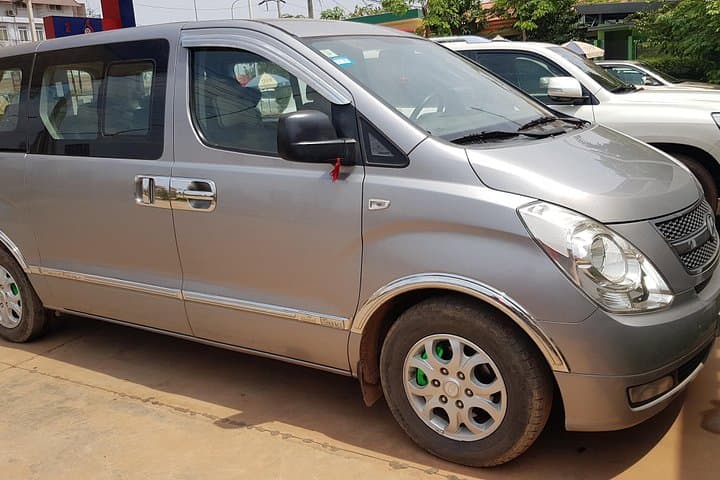


The plane's wheels touch down and the humid Cambodian air pushes through the cabin like an invitation. Outside, the runway gives way to a ribbon of road where tuk-tuks and palm trees share the shoulder; a driver in an air‑conditioned van waits with your name on a tablet, ready to move you toward the low-rise city and the stone silhouettes beyond.
The plane's wheels touch down and the humid Cambodian air pushes through the cabin like an invitation. Outside, the runway gives way to a ribbon of road where tuk-tuks and palm trees share the shoulder; a driver in an air‑conditioned van waits with your name on a tablet, ready to move you toward the low-rise city and the stone silhouettes beyond.
Siem Reap grew from a river port to the gateway for Angkor, a cluster of temples built between the 9th and 15th centuries. The surrounding plains are recent alluvial deposits from the Tonle Sap and Mekong systems—flat terrain that floods seasonally and supports rice cultivation and small fishing communities.
Culturally, arriving in Siem Reap is an entry into a relaxed hospitality economy: drivers are professional but informal, local vendors test polite barters at the city edge, and Khmer music often drifts from roadside stalls. You may pass roadside shrines or see ox carts and motorbikes sharing the same lane; these are part of daily life here.
Practical guidance: book a private, licensed transfer if you value punctuality and air conditioning—journeys from Siem Reap International Airport to central Siem Reap typically take 15–25 minutes depending on traffic and weather. Confirm pickup details and flight numbers ahead of time, request infant seats if needed, and expect slower movement during the monsoon when streets can shallowly flood. Keep travel documents and a small amount of local currency handy for incidentals. Bottled water is commonly offered; wear light layers for the short ride and step onto Cambodian time with patience—the driver’s calm keeps the transfer smooth.