THE ADVENTURE COLLECTIVE® · Independent discovery and booking for outdoor travel

Move from market stall to family kitchen in Siem Reap: shop with a local chef, learn to balance Khmer flavors, and cook a full meal in an intimate, small-group setting. Practical, hands-on, and rooted in local history.
Move from market stall to family kitchen in Siem Reap: shop with a local chef, learn to balance Khmer flavors, and cook a full meal in an intimate, small-group setting. Practical, hands-on, and rooted in local history.
Morning light slants through the corrugated roof of Psar Chas as vendors trim herbs and stack dragonfruit into neat pyramids. A small-group guide threads you through aisles of fish, chilies and palm sugar, and the city’s pulse becomes the opening act for a hands-on Khmer cooking lesson in a local home.
Verified experiences and guided adventures in the surrounding area.
Operated by Easy Angkor Trip · Siem Reap, Siem Reap Province
Morning light slants through the corrugated roof of Psar Chas as vendors trim herbs and stack dragonfruit into neat pyramids. A small-group guide threads you through aisles of fish, chilies and palm sugar, and the city’s pulse becomes the opening act for a hands-on Khmer cooking lesson in a local home.
Siem Reap sits on the Tonlé Sap floodplain where seasonal waters shape agriculture and the local diet; the National Museum anchors the city’s longer sweep of Khmer history, while memorials like Wat Thmey remind visitors of Cambodia’s 20th-century scars. This tour stitches those layers together — a market visit to learn ingredients, a short city drive past temples and museums, and a kitchen session focused on balance: sour, salty, bitter, sweet.
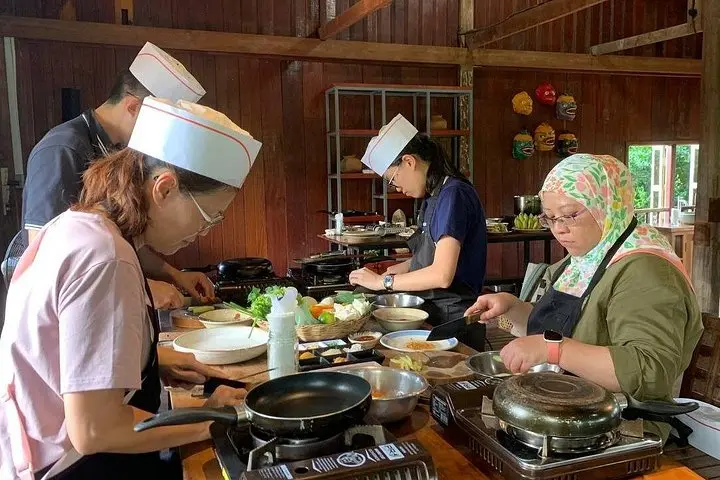
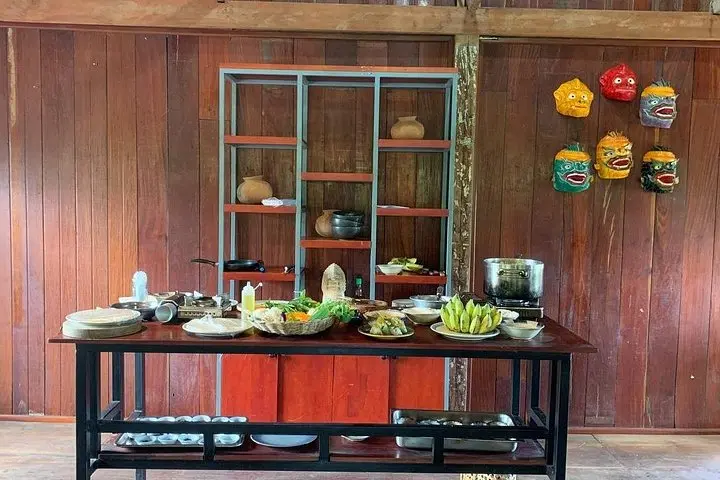
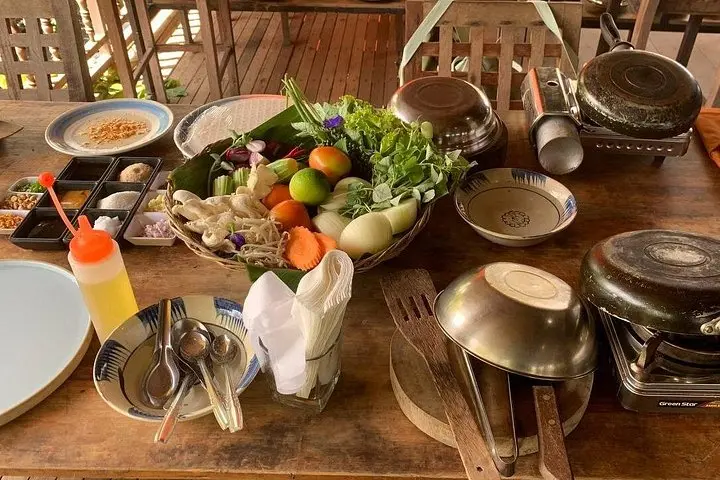
Expect focused, practical instruction: small groups for personalized guidance, a market demo on how to choose fresh herbs, and a cooking sequence that teaches core techniques for dishes like fish amok and Khmer stir-fries. The home setting means modest facilities but richer cultural exchange — your host explains not just recipes but dining customs and local flavors.
Practical guide: wear breathable, modest clothes for temple stops and kitchens; carry local currency for market purchases; bring a refillable water bottle and sun protection for outdoor walking. Notify the operator of allergies in advance. The experience runs 3–5 hours, includes pickup and drop-off, and suits nearly all fitness levels — it’s more sensory and social than strenuous, and it’s an efficient way to convert marketplace curiosity into real market-to-table skills.
Yes — pickup and drop-off are included in most bookings; confirm a pickup time and location when you reserve.
Yes — operators ask about allergies and preferences at booking and can adapt recipes for vegetarians or common allergies if notified in advance.
An English-speaking guide is provided as part of the experience.
Classes are typically small and intimate (often limited to around six participants) to allow hands-on instruction and personalized attention.
Easy Angkor Trip operates guided outdoor trips and adventures with an emphasis on safety, stewardship, and memorable experiences.
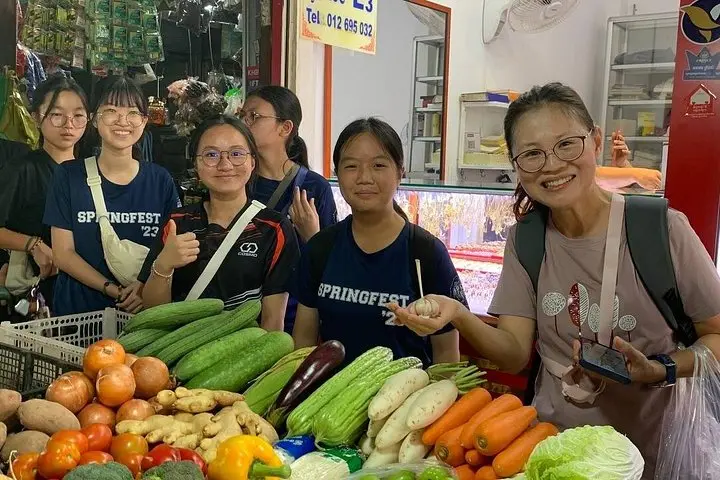
Morning light slants through the corrugated roof of Psar Chas as vendors trim herbs and stack dragonfruit into neat pyramids. A small-group guide threads you through aisles of fish, chilies and palm sugar, and the city’s pulse becomes the opening act for a hands-on Khmer cooking lesson in a local home.
Morning light slants through the corrugated roof of Psar Chas as vendors trim herbs and stack dragonfruit into neat pyramids. A small-group guide threads you through aisles of fish, chilies and palm sugar, and the city’s pulse becomes the opening act for a hands-on Khmer cooking lesson in a local home.
Siem Reap sits on the Tonlé Sap floodplain where seasonal waters shape agriculture and the local diet; the National Museum anchors the city’s longer sweep of Khmer history, while memorials like Wat Thmey remind visitors of Cambodia’s 20th-century scars. This tour stitches those layers together — a market visit to learn ingredients, a short city drive past temples and museums, and a kitchen session focused on balance: sour, salty, bitter, sweet.
Expect focused, practical instruction: small groups for personalized guidance, a market demo on how to choose fresh herbs, and a cooking sequence that teaches core techniques for dishes like fish amok and Khmer stir-fries. The home setting means modest facilities but richer cultural exchange — your host explains not just recipes but dining customs and local flavors.
Practical guide: wear breathable, modest clothes for temple stops and kitchens; carry local currency for market purchases; bring a refillable water bottle and sun protection for outdoor walking. Notify the operator of allergies in advance. The experience runs 3–5 hours, includes pickup and drop-off, and suits nearly all fitness levels — it’s more sensory and social than strenuous, and it’s an efficient way to convert marketplace curiosity into real market-to-table skills.