THE ADVENTURE COLLECTIVE® · Independent discovery and booking for outdoor travel

Leave the temple crowds for a half‑day among flooded paddies, water buffalo and hands‑on Khmer noodle making. This easy morning tour out of Siem Reap pairs village walks with cultural learning and local snacks.
Leave the temple crowds for a half‑day among flooded paddies, water buffalo and hands‑on Khmer noodle making. This easy morning tour out of Siem Reap pairs village walks with cultural learning and local snacks.
A thin mist lifts off the flooded rice paddies as your tuk‑tuk threads a narrow mud track out of Siem Reap. Morning light glints on standing water and the silhouettes of water buffalo move like slow oars across the fields. Farmers bend over seedlings while a guide points out pottery, palm sugar stalls and a quiet family homestead where you’ll learn how Khmer noodles are made.
Verified experiences and guided adventures in the surrounding area.
Operated by Journey Cambodia · Siem Reap, Siem Reap Province
A thin mist lifts off the flooded rice paddies as your tuk‑tuk threads a narrow mud track out of Siem Reap. Morning light glints on standing water and the silhouettes of water buffalo move like slow oars across the fields. Farmers bend over seedlings while a guide points out pottery, palm sugar stalls and a quiet family homestead where you’ll learn how Khmer noodles are made.
This half‑day route focuses on Preah Dak and surrounding villages about 16 km from the city—flat alluvial plains shaped by the Tonlé Sap’s seasonal pulse. Rice cultivation here follows centuries‑old cycles tied to Angkorian irrigation traditions; the people and paddies you see are part of that long agricultural story. Geologically the region is low, clay‑rich and prone to standing water in the wet months, which makes roads bumpy and the landscape intensely green between June and January.
Expect close cultural contact: buffalo carts, homestead visits, and a hands‑on noodle class that ends with tasting your own dish. The operator supplies bottled water, snacks and private transport; dress modestly (shoulders and knees covered) and wear comfortable walking shoes for muddy or uneven surfaces.
Practical tips: book morning departures to avoid midday heat, carry sunscreen and a small towel, and be ready for unsealed roads that add to the rustic charm. Bring small local currency for market purchases and always ask before photographing people. This is an easy, sensory half‑day that trades elevation for intimate encounters with Cambodia’s living rice landscape.
The tour is approximately 5 hours, typically departing in the morning to maximize cooler temperatures and village activity.
Yes—private round‑trip pickup and drop‑off in Siem Reap are included in the tour price.
Children are welcome but must be accompanied by an adult; some activities involve uneven terrain and close contact with animals.
Visitors should check current government requirements for visas and routine vaccinations; carry travel insurance and consult a healthcare provider for up‑to‑date medical advice.
Journey Cambodia operates guided outdoor trips and adventures with an emphasis on safety, stewardship, and memorable experiences.


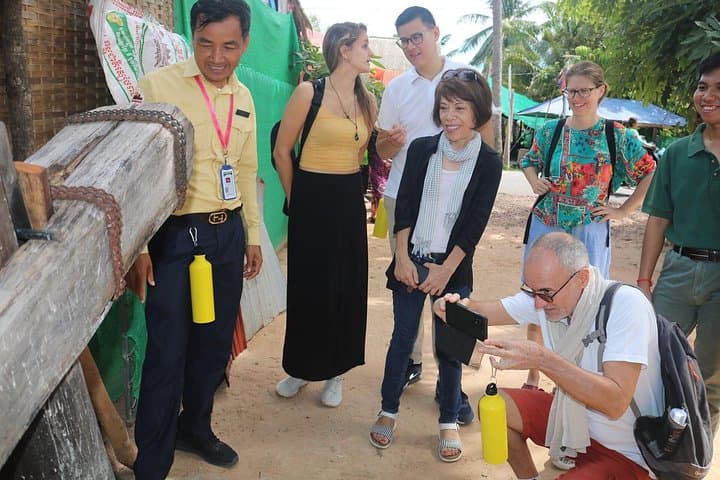
A thin mist lifts off the flooded rice paddies as your tuk‑tuk threads a narrow mud track out of Siem Reap. Morning light glints on standing water and the silhouettes of water buffalo move like slow oars across the fields. Farmers bend over seedlings while a guide points out pottery, palm sugar stalls and a quiet family homestead where you’ll learn how Khmer noodles are made.
A thin mist lifts off the flooded rice paddies as your tuk‑tuk threads a narrow mud track out of Siem Reap. Morning light glints on standing water and the silhouettes of water buffalo move like slow oars across the fields. Farmers bend over seedlings while a guide points out pottery, palm sugar stalls and a quiet family homestead where you’ll learn how Khmer noodles are made.
This half‑day route focuses on Preah Dak and surrounding villages about 16 km from the city—flat alluvial plains shaped by the Tonlé Sap’s seasonal pulse. Rice cultivation here follows centuries‑old cycles tied to Angkorian irrigation traditions; the people and paddies you see are part of that long agricultural story. Geologically the region is low, clay‑rich and prone to standing water in the wet months, which makes roads bumpy and the landscape intensely green between June and January.
Expect close cultural contact: buffalo carts, homestead visits, and a hands‑on noodle class that ends with tasting your own dish. The operator supplies bottled water, snacks and private transport; dress modestly (shoulders and knees covered) and wear comfortable walking shoes for muddy or uneven surfaces.
Practical tips: book morning departures to avoid midday heat, carry sunscreen and a small towel, and be ready for unsealed roads that add to the rustic charm. Bring small local currency for market purchases and always ask before photographing people. This is an easy, sensory half‑day that trades elevation for intimate encounters with Cambodia’s living rice landscape.