THE ADVENTURE COLLECTIVE® · Independent discovery and booking for outdoor travel

Leave the temple crowds for a half-day among rice paddies and a Tonlé Sap boat cruise to Mechrey. Meet villagers, spot waterbirds, and see how life adapts to Cambodia’s remarkable flood pulse.
Leave the temple crowds for a half-day among rice paddies and a Tonlé Sap boat cruise to Mechrey. Meet villagers, spot waterbirds, and see how life adapts to Cambodia’s remarkable flood pulse.
The morning air outside Siem Reap tastes of damp earth and frying oil as the minivan eases onto a narrow dirt road. Rice paddies open like green sheets, water reflecting a sky that seems to move with the wind. Within an hour the landscape shifts — cattle amble past thatched homes and roadside vendors sell skewered insects — until wooden stilt houses and a cluster of boats mark Mechrey, a floating village that rises and falls with Tonlé Sap’s seasonal pulse.
Verified experiences and guided adventures in the surrounding area.
Operated by Angkor Doors · Siem Reap, Siem Reap Province
The morning air outside Siem Reap tastes of damp earth and frying oil as the minivan eases onto a narrow dirt road. Rice paddies open like green sheets, water reflecting a sky that seems to move with the wind. Within an hour the landscape shifts — cattle amble past thatched homes and roadside vendors sell skewered insects — until wooden stilt houses and a cluster of boats mark Mechrey, a floating village that rises and falls with Tonlé Sap’s seasonal pulse.
This tour moves between living culture and the lake’s dramatic hydrology. Tonlé Sap’s annual flood transforms plains into waterways; villages like Mechrey adapted by building on rafts and stilts, creating a community where schools, restaurants and markets float. The countryside around Siem Reap sits on soft alluvial soils fed by the Mekong basin; rice and lotus farms dominate both the view and the local economy.
Practicalities are straightforward: expect a 4–5 hour private excursion with an English-speaking guide, air-conditioned transport, a short boat cruise, life vests, and bottled water included. Wear quick-dry clothing, sun protection, and closed-toe shoes for farm tracks. Bring small change for village purchases and be ready to move slowly — villagers appreciate respectful curiosity more than staged photos. Photographs are welcome, but ask before shooting people or inside homes.
This trip is both easy on the legs and rich in sensory detail — a compact, responsible way to see rural Cambodia and understand how Tonlé Sap shapes lives and livelihoods.
The private tour runs about 4–5 hours (240–300 minutes) and includes countryside stops plus a boat cruise to Mechrey.
Yes—life vests are provided for all passengers; infants must sit on laps according to the operator's policy.
Bottles of cold drinking water are included; bring snacks if you prefer, though small village stalls sell local bites.
You’ll likely see waterbirds, ducks, and farm animals like water buffalo—large wildlife is uncommon but birdwatching can be rewarding.
Angkor Doors operates guided outdoor trips and adventures with an emphasis on safety, stewardship, and memorable experiences.

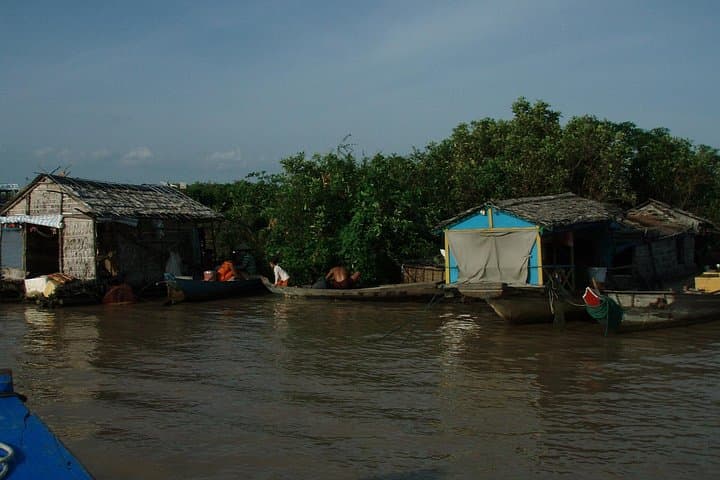

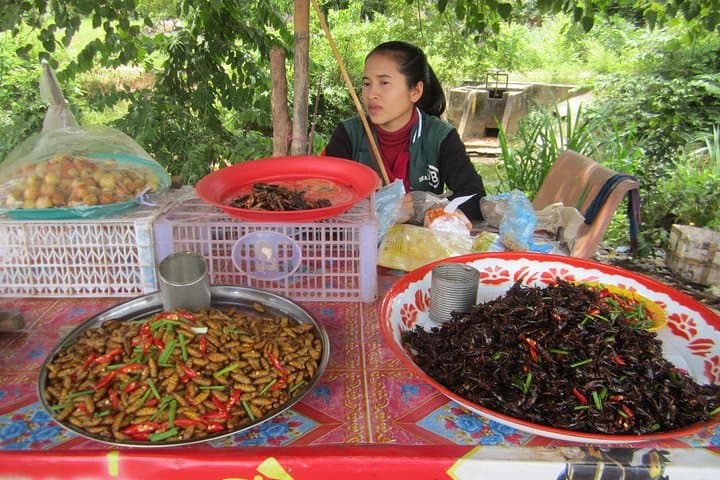
The morning air outside Siem Reap tastes of damp earth and frying oil as the minivan eases onto a narrow dirt road. Rice paddies open like green sheets, water reflecting a sky that seems to move with the wind. Within an hour the landscape shifts — cattle amble past thatched homes and roadside vendors sell skewered insects — until wooden stilt houses and a cluster of boats mark Mechrey, a floating village that rises and falls with Tonlé Sap’s seasonal pulse.
The morning air outside Siem Reap tastes of damp earth and frying oil as the minivan eases onto a narrow dirt road. Rice paddies open like green sheets, water reflecting a sky that seems to move with the wind. Within an hour the landscape shifts — cattle amble past thatched homes and roadside vendors sell skewered insects — until wooden stilt houses and a cluster of boats mark Mechrey, a floating village that rises and falls with Tonlé Sap’s seasonal pulse.
This tour moves between living culture and the lake’s dramatic hydrology. Tonlé Sap’s annual flood transforms plains into waterways; villages like Mechrey adapted by building on rafts and stilts, creating a community where schools, restaurants and markets float. The countryside around Siem Reap sits on soft alluvial soils fed by the Mekong basin; rice and lotus farms dominate both the view and the local economy.
Practicalities are straightforward: expect a 4–5 hour private excursion with an English-speaking guide, air-conditioned transport, a short boat cruise, life vests, and bottled water included. Wear quick-dry clothing, sun protection, and closed-toe shoes for farm tracks. Bring small change for village purchases and be ready to move slowly — villagers appreciate respectful curiosity more than staged photos. Photographs are welcome, but ask before shooting people or inside homes.
This trip is both easy on the legs and rich in sensory detail — a compact, responsible way to see rural Cambodia and understand how Tonlé Sap shapes lives and livelihoods.