THE ADVENTURE COLLECTIVE® · Independent discovery and booking for outdoor travel

Board a traditional longtail and glide into the floating villages of Tonle Sap for a compact, informative 3‑hour tour. Learn about lotus farming, floating schools and how families adapt as the lake rises and falls.
Board a traditional longtail and glide into the floating villages of Tonle Sap for a compact, informative 3‑hour tour. Learn about lotus farming, floating schools and how families adapt as the lake rises and falls.
Step off the road and onto the slow wake of Tonle Sap—water stretching to the horizon, houses bobbing like anchored ideas, and a wooden longtail cutting a clean line through floating fields. The first hour often begins at the lotus farms where guides explain how the lotus supports Khmer life: food, medicine and ritual. From there the boat slips into channels threaded with stilted homes, floating schools and vegetable gardens, each structure adapted to the lake’s dramatic seasonal rise and fall.
Verified experiences and guided adventures in the surrounding area.
Operated by Tara River Boat Company · Siem Reap, Siem Reap Province
Step off the road and onto the slow wake of Tonle Sap—water stretching to the horizon, houses bobbing like anchored ideas, and a wooden longtail cutting a clean line through floating fields. The first hour often begins at the lotus farms where guides explain how the lotus supports Khmer life: food, medicine and ritual. From there the boat slips into channels threaded with stilted homes, floating schools and vegetable gardens, each structure adapted to the lake’s dramatic seasonal rise and fall.
Tonle Sap’s behavior is geological as much as cultural. During the rainy season the Mekong pushes water back into the lake, raising levels by up to ten meters; in the dry season the lake recedes and villagers move their platforms toward the new shoreline. The floating communities near Siem Reap are living museums of resilience—families that fish, farm and trade from boats, and small wooden churches and police posts that ride the current with practiced ease.
Practical guidance: tours run about three hours and typically include hotel pickup, life jackets on board and a stop at a floating fish or crocodile pen and an old riverboat for a comfort break. Wear sun protection, bring insect repellent and layer for sudden rain; footwear should be closed-toe for boarding. Respect private property—ask before photographing children or homes—and listen to local guides who were often born in these villages and can interpret seasonal changes, livelihoods and taboos.
This tour suits anyone curious about human adaptation to a variable landscape: it’s short, safe and focused, offering a concentrated look at a lake that shapes both geography and daily life.
Yes — operators supply life jackets for all passengers and boats meet basic safety standards.
Yes — the three-hour itinerary and included comfort stops make it suitable for children; infants may use stroller access at pickup.
Absolutely — bring a camera but ask before photographing residents and keep gear secured from splashes.
Pickup and return from central Siem Reap hotels or guesthouses is typically included; confirm exact time and meeting spot when booking.
Tara River Boat Company operates guided outdoor trips and adventures with an emphasis on safety, stewardship, and memorable experiences.
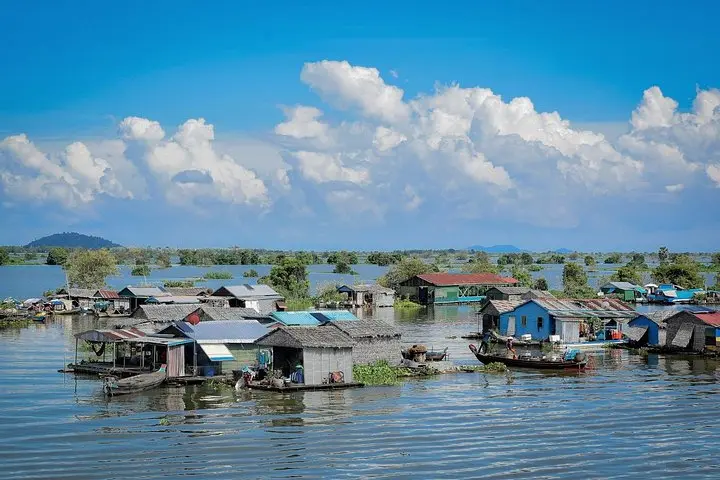
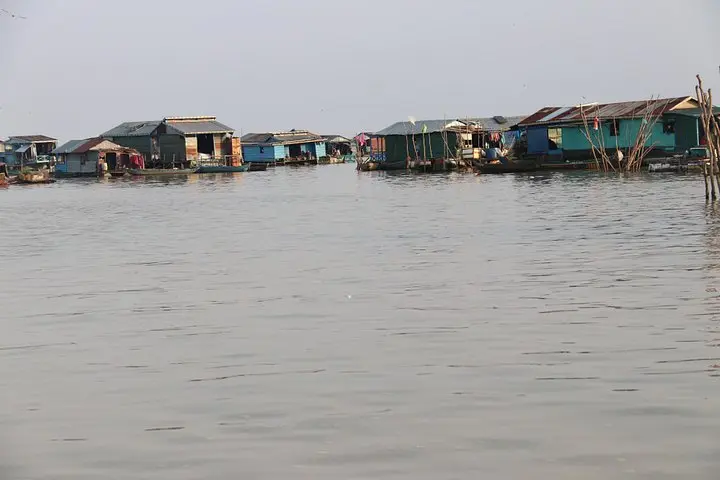
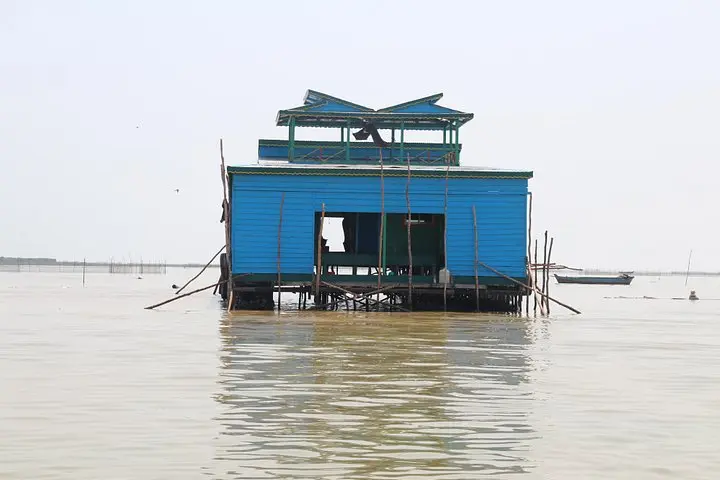
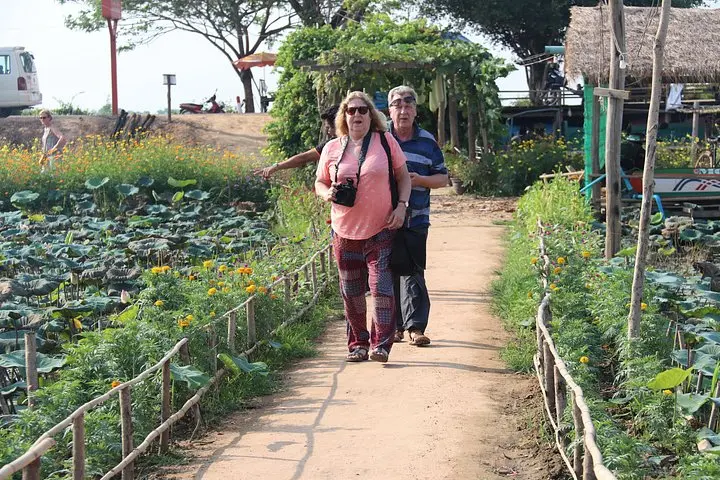
Step off the road and onto the slow wake of Tonle Sap—water stretching to the horizon, houses bobbing like anchored ideas, and a wooden longtail cutting a clean line through floating fields. The first hour often begins at the lotus farms where guides explain how the lotus supports Khmer life: food, medicine and ritual. From there the boat slips into channels threaded with stilted homes, floating schools and vegetable gardens, each structure adapted to the lake’s dramatic seasonal rise and fall.
Step off the road and onto the slow wake of Tonle Sap—water stretching to the horizon, houses bobbing like anchored ideas, and a wooden longtail cutting a clean line through floating fields. The first hour often begins at the lotus farms where guides explain how the lotus supports Khmer life: food, medicine and ritual. From there the boat slips into channels threaded with stilted homes, floating schools and vegetable gardens, each structure adapted to the lake’s dramatic seasonal rise and fall.
Tonle Sap’s behavior is geological as much as cultural. During the rainy season the Mekong pushes water back into the lake, raising levels by up to ten meters; in the dry season the lake recedes and villagers move their platforms toward the new shoreline. The floating communities near Siem Reap are living museums of resilience—families that fish, farm and trade from boats, and small wooden churches and police posts that ride the current with practiced ease.
Practical guidance: tours run about three hours and typically include hotel pickup, life jackets on board and a stop at a floating fish or crocodile pen and an old riverboat for a comfort break. Wear sun protection, bring insect repellent and layer for sudden rain; footwear should be closed-toe for boarding. Respect private property—ask before photographing children or homes—and listen to local guides who were often born in these villages and can interpret seasonal changes, livelihoods and taboos.
This tour suits anyone curious about human adaptation to a variable landscape: it’s short, safe and focused, offering a concentrated look at a lake that shapes both geography and daily life.