THE ADVENTURE COLLECTIVE® · Independent discovery and booking for outdoor travel

Spend 2–3 hours exploring Siem Reap beyond the temples: markets, a hidden 10th‑century brick shrine, a bat park, local coffee culture and a hands‑on ceramic stop. Ideal for travelers with time before a flight or a light afternoon of discovery.
Spend 2–3 hours exploring Siem Reap beyond the temples: markets, a hidden 10th‑century brick shrine, a bat park, local coffee culture and a hands‑on ceramic stop. Ideal for travelers with time before a flight or a light afternoon of discovery.
The walk begins before the city fully wakes — a cool alley that opens onto a market, the air thick with coffee steam and crushed lemongrass. You pass a small shrine where residents pause, then a riverside lined with palms that seem to lean and whisper toward the water. Bats flit from a fig tree as you approach the park; the guide points out a hidden 10th‑century brick temple squeezed between modern houses, its bricks still warm from the sun.
Verified experiences and guided adventures in the surrounding area.
Operated by Angkor Focus Travel · Siem Reap, Siem Reap
The walk begins before the city fully wakes — a cool alley that opens onto a market, the air thick with coffee steam and crushed lemongrass. You pass a small shrine where residents pause, then a riverside lined with palms that seem to lean and whisper toward the water. Bats flit from a fig tree as you approach the park; the guide points out a hidden 10th‑century brick temple squeezed between modern houses, its bricks still warm from the sun.
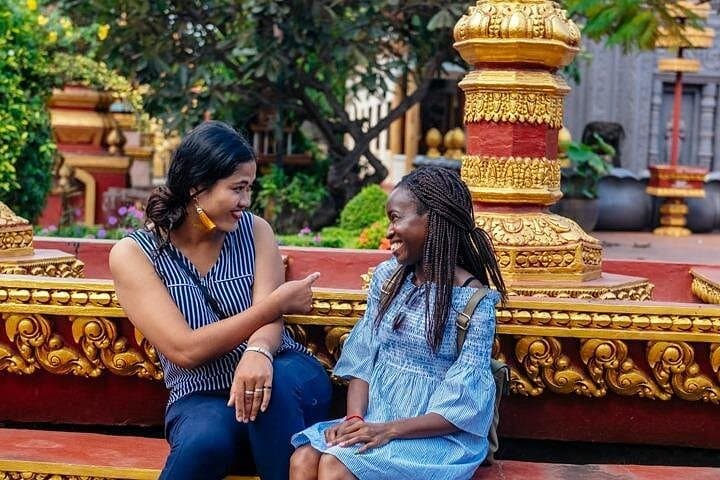
Siem Reap is more than Angkor; this town grew as a river port on the edge of the Tonle Sap floodplain and later became the gateway for Khmer royalty. The walking loop threads colonial-era streets, a local ceramic workshop, and a tiny monastery where novices study morning chants — a living line from the 10th century to today.
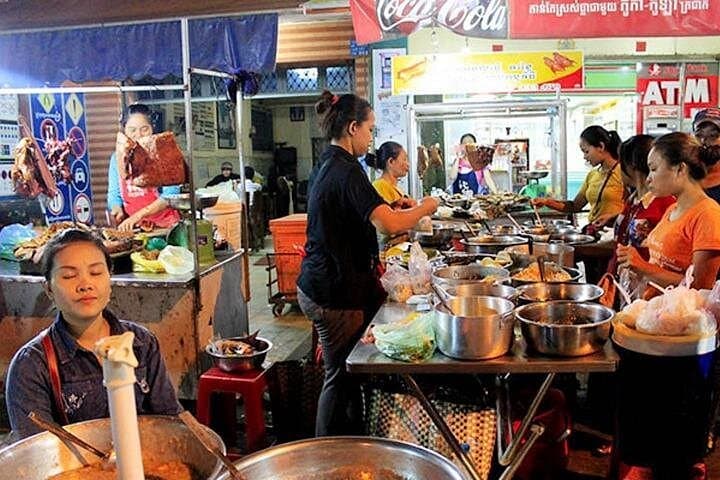
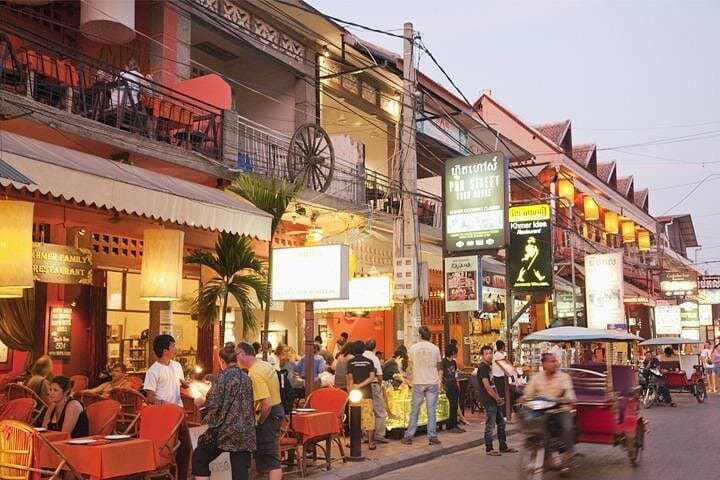
Expect narrow sidewalks, scooters weaving like currents, and neighborhood markets selling fish, palm sugar and fragrant snacks. The coffee house featured on the route trades in playful historical costumes and strong Cambodian coffee; the ceramic studio offers a quick clay demo for souvenirs.
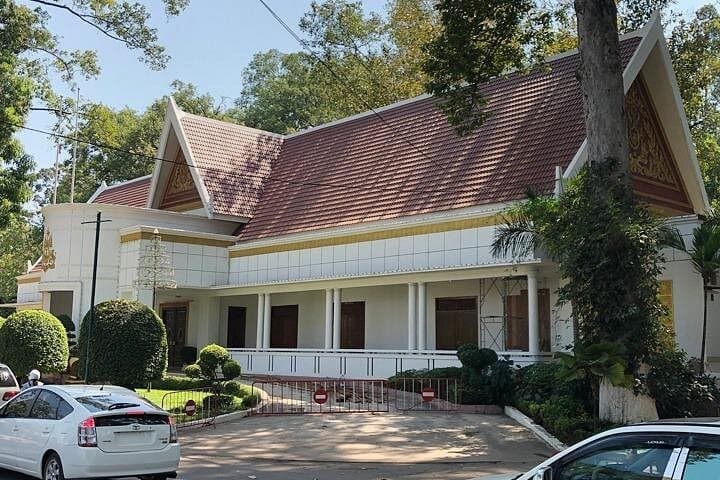
Practical tip: plan for 2–3 hours of easy walking, start in the morning or late afternoon for cooler light, and carry cash for market purchases. Dress respectfully for the Royal Residence and monastery (shoulders and knees covered). Bring refillable water, sun protection and insect repellent — humidity and river breezes can alternate within minutes. The walk is low‑impact but rich in small discoveries: listen for chants, watch daily trade, and let the city’s quieter corners alter your idea of Siem Reap beyond the temples.
The standard tour runs about 2–3 hours with multiple short stops at markets, a monastery, a coffee house and a ceramic workshop.
The tour notes include several admissions (EFEO site and Royal Residence); confirm specifics when booking as some small stops may charge locally.
Yes — the itinerary is rated easy and suitable for most ages, though strollers may struggle on narrow or uneven stretches.
Bring small bills and change for market purchases and small coffees; larger establishments may accept cards but neighborhood vendors usually do not.
Angkor Focus Travel operates guided outdoor trips and adventures with an emphasis on safety, stewardship, and memorable experiences.
The walk begins before the city fully wakes — a cool alley that opens onto a market, the air thick with coffee steam and crushed lemongrass. You pass a small shrine where residents pause, then a riverside lined with palms that seem to lean and whisper toward the water. Bats flit from a fig tree as you approach the park; the guide points out a hidden 10th‑century brick temple squeezed between modern houses, its bricks still warm from the sun.
The walk begins before the city fully wakes — a cool alley that opens onto a market, the air thick with coffee steam and crushed lemongrass. You pass a small shrine where residents pause, then a riverside lined with palms that seem to lean and whisper toward the water. Bats flit from a fig tree as you approach the park; the guide points out a hidden 10th‑century brick temple squeezed between modern houses, its bricks still warm from the sun.
Siem Reap is more than Angkor; this town grew as a river port on the edge of the Tonle Sap floodplain and later became the gateway for Khmer royalty. The walking loop threads colonial-era streets, a local ceramic workshop, and a tiny monastery where novices study morning chants — a living line from the 10th century to today.
Expect narrow sidewalks, scooters weaving like currents, and neighborhood markets selling fish, palm sugar and fragrant snacks. The coffee house featured on the route trades in playful historical costumes and strong Cambodian coffee; the ceramic studio offers a quick clay demo for souvenirs.
Practical tip: plan for 2–3 hours of easy walking, start in the morning or late afternoon for cooler light, and carry cash for market purchases. Dress respectfully for the Royal Residence and monastery (shoulders and knees covered). Bring refillable water, sun protection and insect repellent — humidity and river breezes can alternate within minutes. The walk is low‑impact but rich in small discoveries: listen for chants, watch daily trade, and let the city’s quieter corners alter your idea of Siem Reap beyond the temples.