THE ADVENTURE COLLECTIVE® · Independent discovery and booking for outdoor travel

Learn to cook Khmer dishes in a 65‑year‑old wooden home after shopping the local market with your host. This three‑hour, hands‑on class mixes market culture, family recipes, and a shared meal.
Learn to cook Khmer dishes in a 65‑year‑old wooden home after shopping the local market with your host. This three‑hour, hands‑on class mixes market culture, family recipes, and a shared meal.
You step out of a tuk‑tuk into a lane where laundry flutters like low flags and the scent of lemongrass and fish sauce hangs thick in the humid air. A 65‑year‑old wooden house opens its shutters for you — cool floorboards, a low table, a family kitchen that has fed neighbors for generations. The class begins at the market: vendors call, chilies glisten, and the vendors’ hands guide you to the freshest herb or fish.
Verified experiences and guided adventures in the surrounding area.
Operated by Siem Reap Angkor Travel and Tour · Siem Reap, Siem Reap Province
You step out of a tuk‑tuk into a lane where laundry flutters like low flags and the scent of lemongrass and fish sauce hangs thick in the humid air. A 65‑year‑old wooden house opens its shutters for you — cool floorboards, a low table, a family kitchen that has fed neighbors for generations. The class begins at the market: vendors call, chilies glisten, and the vendors’ hands guide you to the freshest herb or fish.
Khmer cooking is pragmatic and regional. Centuries of rice cultivation around Tonle Sap and the Mekong shaped a diet heavy on rice, freshwater fish, fermented pastes (prahok) and bold herbs. French colonial influence added baguettes and coffee, but home cooking remains centered on balance — salty, sour, sweet, bitter.
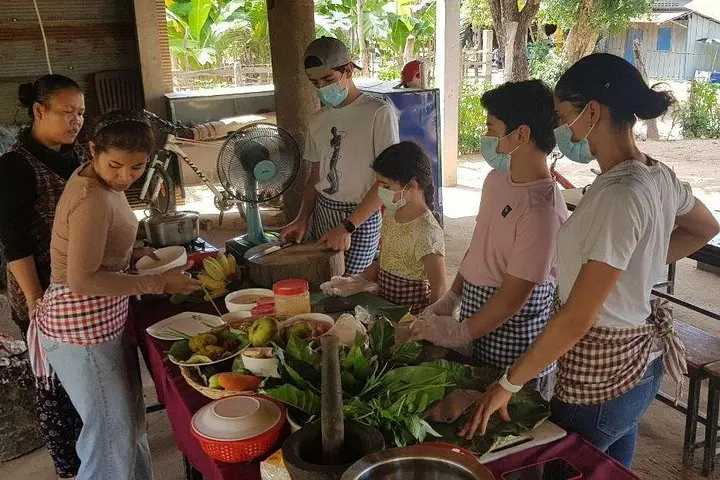
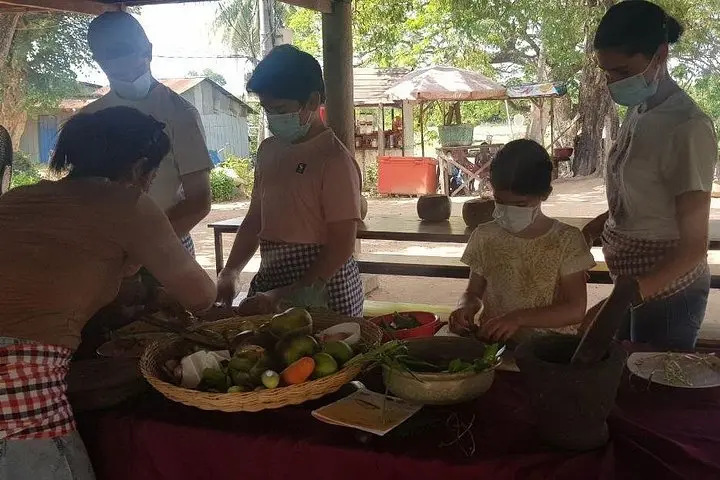
Expect hands‑on instruction: preparing a starter, a stir‑fried vegetable or noodle dish, and a classic curry or amok steamed in banana leaf. The host shows knife work, mortar‑and‑pestle techniques, and how to coax aroma from coconut milk. Conversation moves between cooking steps and stories about family meals and seasonal crops.
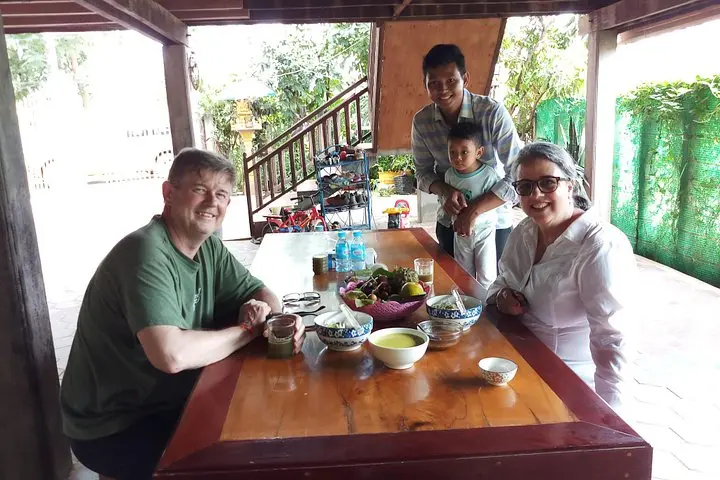
Practical guidance: classes run about three hours and include market shopping, instruction, and a shared meal. Wear breathable clothes you won’t mind splattering, bring a small bag for market purchases, and tell your guide about dietary restrictions in advance. Pickup and drop‑off are typically included; confirm the exact pickup point. This experience is as much cultural exchange as it is a cooking lesson — come curious, bring appetite, and be ready to eat what you helped create.
Yes—pickup and drop‑off are listed as included; confirm your pickup point and time when you book.
Hosts typically accommodate common requests if notified in advance; specify allergies or preferences during booking.
Yes—the activity is family‑friendly; infants may need to sit on laps and children should be supervised near the stove.
Bring small cash for market purchases, tips, or extras; credit cards are not usually accepted at local stalls.
Siem Reap Angkor Travel and Tour operates guided outdoor trips and adventures with an emphasis on safety, stewardship, and memorable experiences.
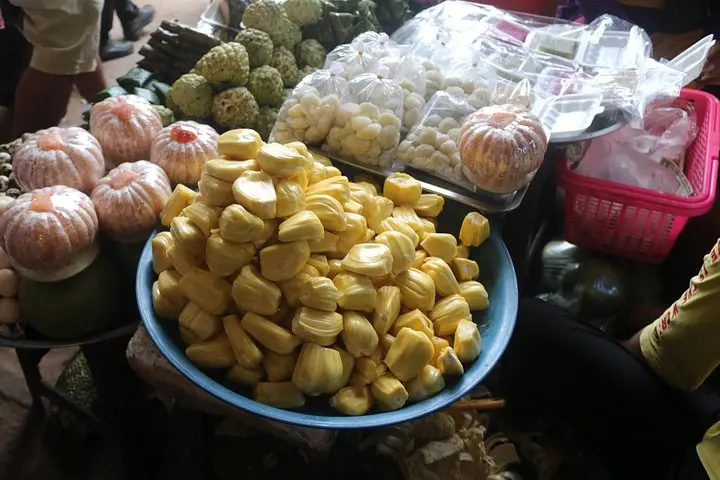
You step out of a tuk‑tuk into a lane where laundry flutters like low flags and the scent of lemongrass and fish sauce hangs thick in the humid air. A 65‑year‑old wooden house opens its shutters for you — cool floorboards, a low table, a family kitchen that has fed neighbors for generations. The class begins at the market: vendors call, chilies glisten, and the vendors’ hands guide you to the freshest herb or fish.
You step out of a tuk‑tuk into a lane where laundry flutters like low flags and the scent of lemongrass and fish sauce hangs thick in the humid air. A 65‑year‑old wooden house opens its shutters for you — cool floorboards, a low table, a family kitchen that has fed neighbors for generations. The class begins at the market: vendors call, chilies glisten, and the vendors’ hands guide you to the freshest herb or fish.
Khmer cooking is pragmatic and regional. Centuries of rice cultivation around Tonle Sap and the Mekong shaped a diet heavy on rice, freshwater fish, fermented pastes (prahok) and bold herbs. French colonial influence added baguettes and coffee, but home cooking remains centered on balance — salty, sour, sweet, bitter.
Expect hands‑on instruction: preparing a starter, a stir‑fried vegetable or noodle dish, and a classic curry or amok steamed in banana leaf. The host shows knife work, mortar‑and‑pestle techniques, and how to coax aroma from coconut milk. Conversation moves between cooking steps and stories about family meals and seasonal crops.
Practical guidance: classes run about three hours and include market shopping, instruction, and a shared meal. Wear breathable clothes you won’t mind splattering, bring a small bag for market purchases, and tell your guide about dietary restrictions in advance. Pickup and drop‑off are typically included; confirm the exact pickup point. This experience is as much cultural exchange as it is a cooking lesson — come curious, bring appetite, and be ready to eat what you helped create.