THE ADVENTURE COLLECTIVE® · Independent discovery and booking for outdoor travel

Six days that pair Angkor’s temple complexes with Phnom Penh’s riverside history. This private tour balances sunrise temple walks, artisan visits, and solemn memorials with practical advice for heat, crowds, and respectful travel.
Six days that pair Angkor’s temple complexes with Phnom Penh’s riverside history. This private tour balances sunrise temple walks, artisan visits, and solemn memorials with practical advice for heat, crowds, and respectful travel.
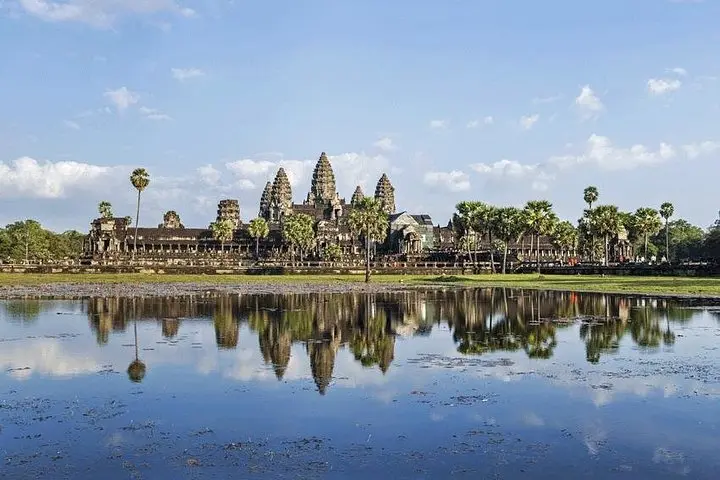
Sunrise spills across the moat as you cross Angkor Wat’s causeway — stone reflecting a pale gold while the jungle breathes just beyond the towers.
Verified experiences and guided adventures in the surrounding area.
Operated by Green Cultural Travel · Siem Reap, Siem Reap
Sunrise spills across the moat as you cross Angkor Wat’s causeway — stone reflecting a pale gold while the jungle breathes just beyond the towers.
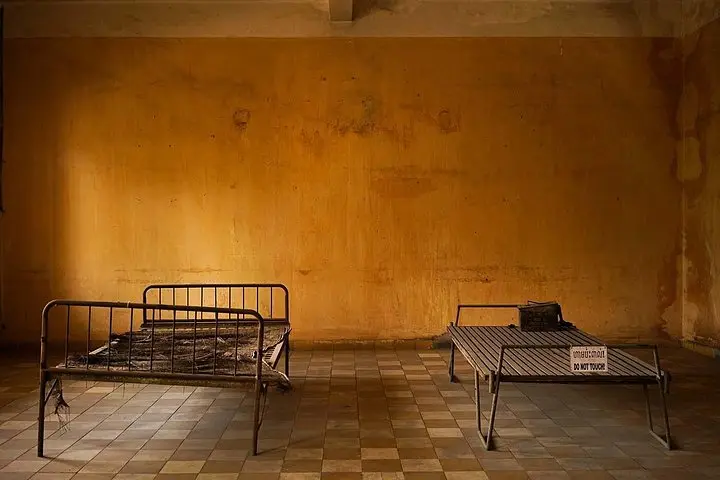
Over six days this private itinerary moves from the monumental sandstone galleries of Angkor to the riverfront avenues of Phnom Penh. In Siem Reap you trace the Khmer Empire’s engineering and relief work: Angkor Wat’s axial symmetry, Bayon’s carved faces, Ta Prohm’s trees that press their roots through lintels. The geology is simple but telling — soft sandstone and laterite quarried and stacked into complex drainage systems that still channel Tonle Sap’s seasonally swollen waters. Phnom Penh offers a different register: French colonial façades, the Royal Palace’s gilded roofs, and the sober memorials of Toul Sleng and Choeung Ek that mark the modern nation’s rupture.
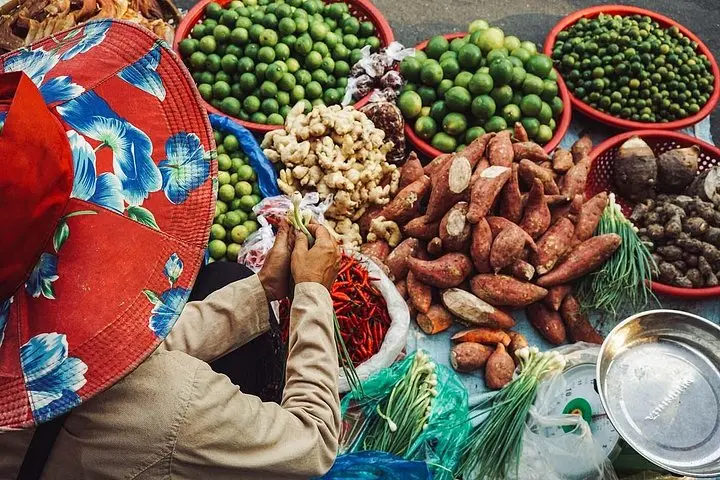
Local culture threads through both cities — Apsara dance in a wooden theatre, artisan workshops reviving silk and hand-carving, riverside markets where vendors call and the Mekong dares you to slow down. Expect humid heat, crowds at sunrise, and uneven temple steps; distances are short but walking surfaces range from polished stone to compacted earth.
Practical guidance: aim for early starts (sunrise at Angkor is the quietest), bring 1.5–2L water per day, breathable long sleeves for sun and temple respect, and sturdy shoes with good grip for temple steps. Carry a photocopy of your passport, small local currency for entrance fees and market purchases, and allow time for reflective pauses at memorial sites. With basic preparation this program balances high-impact historical sites with humane, grounded moments of local life.
Most nationalities require a visa; e‑visas are available online before arrival and can speed entry at airports and land crossings.
This itinerary lists admissions as included; confirm at booking whether your tour price covers multi-day Angkor Passes (1-, 3-, or 7-day).
The tour is rated easy and suitable for most ages, but temple steps and uneven ground can be challenging — inform the operator about mobility needs in advance.
Stay up to date on routine vaccinations, consider mosquito precautions, drink bottled or filtered water if advised, and carry any necessary medications; consult your doctor for personalized advice.
Green Cultural Travel operates guided outdoor trips and adventures with an emphasis on safety, stewardship, and memorable experiences.
Sunrise spills across the moat as you cross Angkor Wat’s causeway — stone reflecting a pale gold while the jungle breathes just beyond the towers.
Sunrise spills across the moat as you cross Angkor Wat’s causeway — stone reflecting a pale gold while the jungle breathes just beyond the towers.
Over six days this private itinerary moves from the monumental sandstone galleries of Angkor to the riverfront avenues of Phnom Penh. In Siem Reap you trace the Khmer Empire’s engineering and relief work: Angkor Wat’s axial symmetry, Bayon’s carved faces, Ta Prohm’s trees that press their roots through lintels. The geology is simple but telling — soft sandstone and laterite quarried and stacked into complex drainage systems that still channel Tonle Sap’s seasonally swollen waters. Phnom Penh offers a different register: French colonial façades, the Royal Palace’s gilded roofs, and the sober memorials of Toul Sleng and Choeung Ek that mark the modern nation’s rupture.
Local culture threads through both cities — Apsara dance in a wooden theatre, artisan workshops reviving silk and hand-carving, riverside markets where vendors call and the Mekong dares you to slow down. Expect humid heat, crowds at sunrise, and uneven temple steps; distances are short but walking surfaces range from polished stone to compacted earth.
Practical guidance: aim for early starts (sunrise at Angkor is the quietest), bring 1.5–2L water per day, breathable long sleeves for sun and temple respect, and sturdy shoes with good grip for temple steps. Carry a photocopy of your passport, small local currency for entrance fees and market purchases, and allow time for reflective pauses at memorial sites. With basic preparation this program balances high-impact historical sites with humane, grounded moments of local life.