THE ADVENTURE COLLECTIVE® · Independent discovery and booking for outdoor travel

An intimate three-hour walking tour through Siem Reap’s markets and alleys, sampling Khmer favorites and local specialties with a private guide. Perfect for first-time visitors who want a practical, flavorful orientation to the city’s food scene.
An intimate three-hour walking tour through Siem Reap’s markets and alleys, sampling Khmer favorites and local specialties with a private guide. Perfect for first-time visitors who want a practical, flavorful orientation to the city’s food scene.
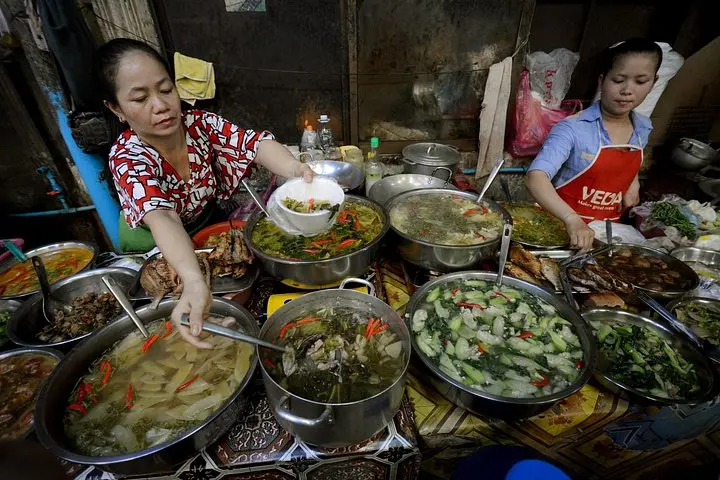
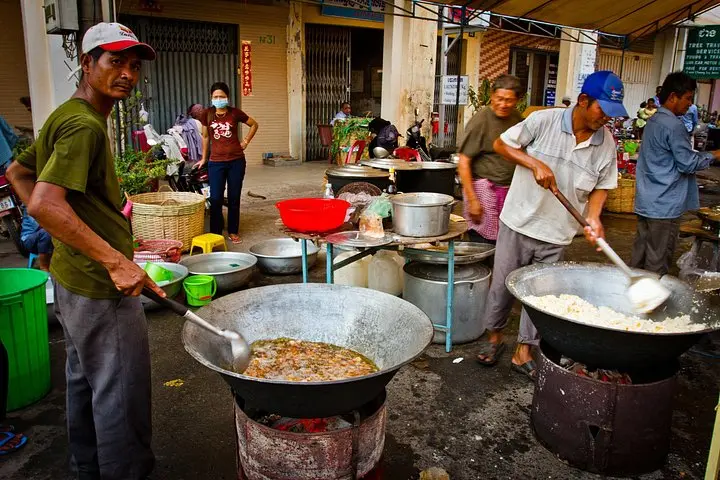
The evening light softens over Siem Reap’s low roofs as you step from your hotel into narrow streets that smell of frying oil, lemongrass, and fresh lime. Your guide threads the group through market stalls, past the placid Siem Reap River that seems to dare you to follow its curve, and into alleys where sizzling pans and steaming bowls mark the rhythm of local life.
Verified experiences and guided adventures in the surrounding area.
Operated by taxiGo Limo Airport Service · Siem Reap, Siem Reap Province
The evening light softens over Siem Reap’s low roofs as you step from your hotel into narrow streets that smell of frying oil, lemongrass, and fresh lime. Your guide threads the group through market stalls, past the placid Siem Reap River that seems to dare you to follow its curve, and into alleys where sizzling pans and steaming bowls mark the rhythm of local life.
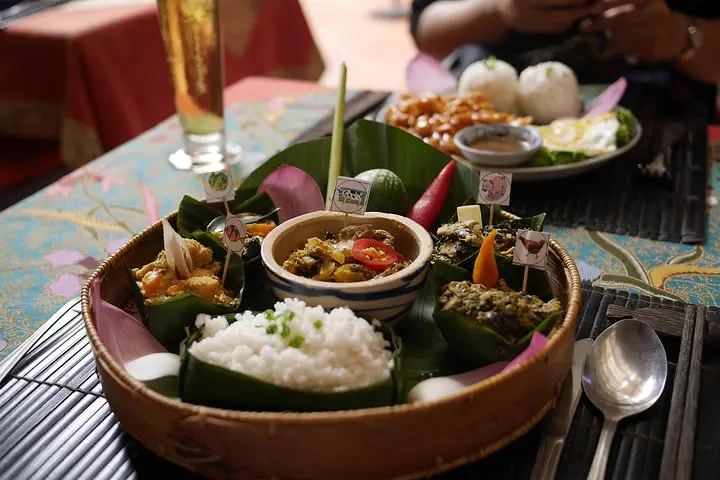
Siem Reap grew from a riverside trading hub into the gateway for Angkor, and its food reflects Khmer traditions layered with Thai, Vietnamese and French influences. The city sits on an alluvial plain—muddy soils that made rice cultivation the region’s backbone—and local snacks grew out of abundant rice, coconut, and tropical fruit. As you taste black sesame sweets, curried freshwater fish, papaya salad and warm rice cakes, you’re sampling recipes shaped by flood seasons, colonial trade, and communal markets.
Expect short walks between vendors, standing-room tastings, and conversations with cooks who measure ingredients by memory. The tour balances iconic stops with off-the-beaten-path stalls near Wat Damnak and the Siem Reap Riverwalk.
Practical notes: carry small bills and hand sanitizer, wear closed-toe shoes for uneven pavement, and plan for heat or sudden rain depending on the season. Hydrate between snacks and tell your guide about any allergies—they’ll adjust offerings. In three hours you’ll get a concentrated, sensory overview of Khmer street food and the neighborhoods that keep these dishes alive.
The tour runs about three hours with short walks between street stalls and markets—mostly flat, urban walking suitable for most people.
Yes; guides can point out vegetarian dishes and stalls that specialize in vegetable-based salads, rice cakes, and fruit snacks, but inform them of preferences ahead of time.
Guides choose popular, well-frequented vendors with high turnover; avoiding raw items and choosing cooked dishes reduces risk, and carry hand sanitizer for convenience.
The route passes landmarks close to the Angkor Archaeological Park such as cafes near Wat Damnak, but it focuses on town markets and streets rather than temple interiors.
taxiGo Limo Airport Service operates guided outdoor trips and adventures with an emphasis on safety, stewardship, and memorable experiences.

The evening light softens over Siem Reap’s low roofs as you step from your hotel into narrow streets that smell of frying oil, lemongrass, and fresh lime. Your guide threads the group through market stalls, past the placid Siem Reap River that seems to dare you to follow its curve, and into alleys where sizzling pans and steaming bowls mark the rhythm of local life.
The evening light softens over Siem Reap’s low roofs as you step from your hotel into narrow streets that smell of frying oil, lemongrass, and fresh lime. Your guide threads the group through market stalls, past the placid Siem Reap River that seems to dare you to follow its curve, and into alleys where sizzling pans and steaming bowls mark the rhythm of local life.
Siem Reap grew from a riverside trading hub into the gateway for Angkor, and its food reflects Khmer traditions layered with Thai, Vietnamese and French influences. The city sits on an alluvial plain—muddy soils that made rice cultivation the region’s backbone—and local snacks grew out of abundant rice, coconut, and tropical fruit. As you taste black sesame sweets, curried freshwater fish, papaya salad and warm rice cakes, you’re sampling recipes shaped by flood seasons, colonial trade, and communal markets.
Expect short walks between vendors, standing-room tastings, and conversations with cooks who measure ingredients by memory. The tour balances iconic stops with off-the-beaten-path stalls near Wat Damnak and the Siem Reap Riverwalk.
Practical notes: carry small bills and hand sanitizer, wear closed-toe shoes for uneven pavement, and plan for heat or sudden rain depending on the season. Hydrate between snacks and tell your guide about any allergies—they’ll adjust offerings. In three hours you’ll get a concentrated, sensory overview of Khmer street food and the neighborhoods that keep these dishes alive.