THE ADVENTURE COLLECTIVE® · Independent discovery and booking for outdoor travel

Spend a full day from Siem Reap exploring Battambang’s countryside: ride the bamboo train, climb the 365 steps to Wat Banan, then watch the Phnom Sampeau bat exodus at sunset. This guided, private tour bundles transport and local insight for an efficient, memorable day trip.
Spend a full day from Siem Reap exploring Battambang’s countryside: ride the bamboo train, climb the 365 steps to Wat Banan, then watch the Phnom Sampeau bat exodus at sunset. This guided, private tour bundles transport and local insight for an efficient, memorable day trip.
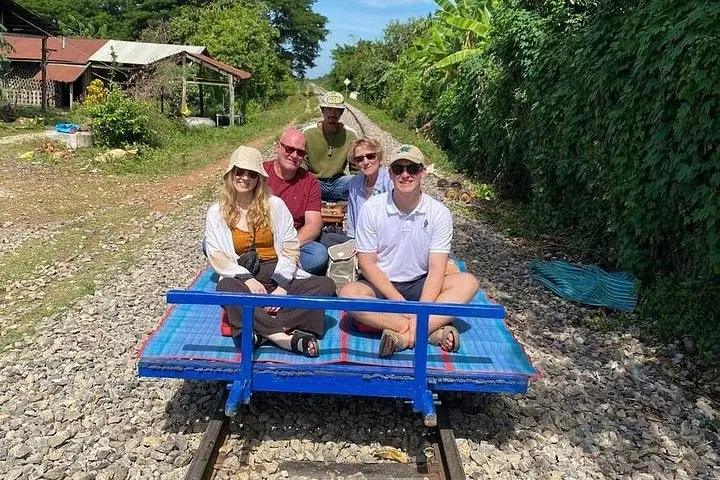
The morning light in the Cambodian countryside arrives soft and humid, rice paddies reflecting a pale sky as an air-conditioned van hums toward Battambang. By mid-morning you’ll swap the road for a rattling bamboo platform that skates over rails—today’s transport becomes both story and route through fields and village life.
Verified experiences and guided adventures in the surrounding area.
Operated by Angkor Dynasty Travel · Battambang, Battambang Province
The morning light in the Cambodian countryside arrives soft and humid, rice paddies reflecting a pale sky as an air-conditioned van hums toward Battambang. By mid-morning you’ll swap the road for a rattling bamboo platform that skates over rails—today’s transport becomes both story and route through fields and village life.
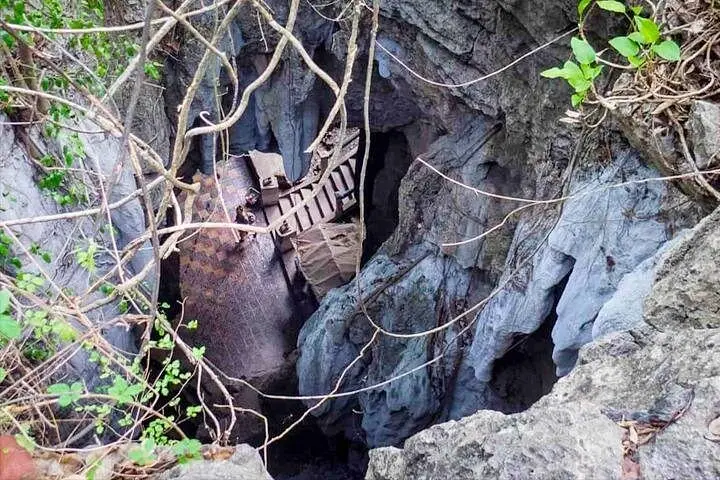
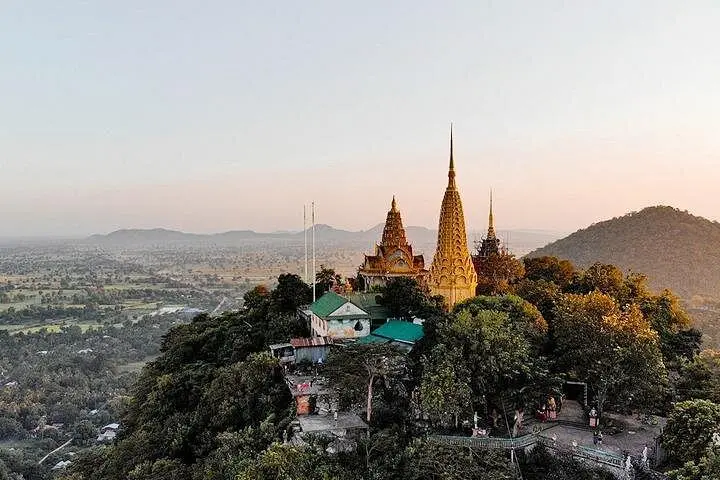
Battambang’s roots reach back to the Angkor era; Wat Banan perches on an old hill of laterite and sandstone, reached after climbing 365 steps that test legs and reward with temple stones softened by lichen and wide views over the Sanker River. Geologically, Phnom Sampeau is a limestone outcrop pocked with caves—its chambers have long sheltered both people and wildlife. As dusk approaches, millions of fruit bats pour from the cave mouth in a living ribbon, a nightly migration that pushes the sky into motion.
Culture here is straightforward: tuk-tuks, local markets, and small temples where modest dress is expected and small donations are common. The bamboo train speaks to rural ingenuity, once essential freight transport and now a short, joyful ride into a village economy.
Practical guidance: the tour runs roughly nine hours door-to-door from Siem Reap with multi-stop tuk-tuk transfers at sites. Wear sturdy shoes for uneven steps, bring insect repellent, sunscreen, and a refillable water bottle—the operator provides water and cool towels but small purchases in villages are cash-only. Time your camera for sunset; the bat exodus begins around dusk and can last 30–45 minutes. Avoid heavy backpacks on the stairs and heed local guides around cave edges—terrain near cave mouths can be steep and slippery. This route is an accessible way to connect history, geology, and a dramatic wildlife moment in one focused day.
Expect roughly 2.5–3.5 hours each way by road depending on traffic; the tour bundles transport so you can relax and enjoy the scenery.
Most evenings at dusk the fruit bats exit Phnom Sampeau, but timing can vary with weather and season—guides aim to arrive before sunset for best views.
The bamboo train is family-friendly but involves an open platform and low rails—keep small children close and follow staff instructions.
Basic restrooms are available at major stops and local vendors; facilities may be simple so bring hand sanitizer and small change.
Angkor Dynasty Travel operates guided outdoor trips and adventures with an emphasis on safety, stewardship, and memorable experiences.
The morning light in the Cambodian countryside arrives soft and humid, rice paddies reflecting a pale sky as an air-conditioned van hums toward Battambang. By mid-morning you’ll swap the road for a rattling bamboo platform that skates over rails—today’s transport becomes both story and route through fields and village life.
The morning light in the Cambodian countryside arrives soft and humid, rice paddies reflecting a pale sky as an air-conditioned van hums toward Battambang. By mid-morning you’ll swap the road for a rattling bamboo platform that skates over rails—today’s transport becomes both story and route through fields and village life.
Battambang’s roots reach back to the Angkor era; Wat Banan perches on an old hill of laterite and sandstone, reached after climbing 365 steps that test legs and reward with temple stones softened by lichen and wide views over the Sanker River. Geologically, Phnom Sampeau is a limestone outcrop pocked with caves—its chambers have long sheltered both people and wildlife. As dusk approaches, millions of fruit bats pour from the cave mouth in a living ribbon, a nightly migration that pushes the sky into motion.
Culture here is straightforward: tuk-tuks, local markets, and small temples where modest dress is expected and small donations are common. The bamboo train speaks to rural ingenuity, once essential freight transport and now a short, joyful ride into a village economy.
Practical guidance: the tour runs roughly nine hours door-to-door from Siem Reap with multi-stop tuk-tuk transfers at sites. Wear sturdy shoes for uneven steps, bring insect repellent, sunscreen, and a refillable water bottle—the operator provides water and cool towels but small purchases in villages are cash-only. Time your camera for sunset; the bat exodus begins around dusk and can last 30–45 minutes. Avoid heavy backpacks on the stairs and heed local guides around cave edges—terrain near cave mouths can be steep and slippery. This route is an accessible way to connect history, geology, and a dramatic wildlife moment in one focused day.