THE ADVENTURE COLLECTIVE® · Independent discovery and booking for outdoor travel

Travel from Siem Reap to Battambang by traditional wooden boat across Tonle Sap for a full-day, slow-paced passage through floating villages, flooded forests, and riverside life. Expect 5–7 hours on the water, changing views with the season and close encounters with daily Cambodian river culture.
Travel from Siem Reap to Battambang by traditional wooden boat across Tonle Sap for a full-day, slow-paced passage through floating villages, flooded forests, and riverside life. Expect 5–7 hours on the water, changing views with the season and close encounters with daily Cambodian river culture.
The motor chugs, water hisses against a long wooden hull, and the low roofs of floating houses slide past like a slow film. Morning light pools on the Tonle Sap as the boat leaves Siem Reap; fishermen nod, children wave from stilted porches, and mangroves fold into flooded forest.
Verified experiences and guided adventures in the surrounding area.
Operated by About Cambodia Travel & Tours · Siem Reap, Siem Reap Province
The motor chugs, water hisses against a long wooden hull, and the low roofs of floating houses slide past like a slow film. Morning light pools on the Tonle Sap as the boat leaves Siem Reap; fishermen nod, children wave from stilted porches, and mangroves fold into flooded forest.
This route follows the great inland lake and its tributaries — a dynamic lake system shaped by monsoon rhythms and the Mekong’s seasonal pulse. Settlements here reflect centuries of riverine life: floating markets, raised schools and homes adapted to tides. Geologically, the lake is a shallow basin that swells in the wet season, pushing water and silt into new channels and reshaping shorelines year to year.
Culturally the trip is intimate: vendors in sampans, monks moving between towns, and families hauling fish to market. You’ll pass villages where boat engines bring supplies and the community’s pace is set by the rise and fall of water instead of clocks.
Practicalities are straightforward. Boats are traditional wooden craft with onboard toilets; total travel time ranges from about 5 to 7 hours depending on water levels. Pick-up in Siem Reap and drop-off in Battambang are usually included. Wear sun protection, bring insect repellent and a light layer for breezes on the open water. Note that water levels and an individual boat’s comfort can vary by season; plan for heat in the dry months and higher, smoother water in the monsoon.
This journey is less a transfer than a moving snapshot of rural Cambodia — slow, revealing, and remarkably human.
The trip typically takes between 5 and 7 hours depending on seasonal water levels and route variations.
Traditional wooden boats used for this route are operated commercially and commonly include basic comforts like seating and an onboard toilet; expect a rustic, authentic experience rather than cruise-ship level amenities.
The water is mostly lake and river swell rather than ocean waves, but motion sensitivity varies—bring remedies if you are prone to nausea.
Meals aren’t typically included; bring snacks and water, though stops at riverside vendors or villages may be part of the route depending on the operator.
About Cambodia Travel & Tours operates guided outdoor trips and adventures with an emphasis on safety, stewardship, and memorable experiences.
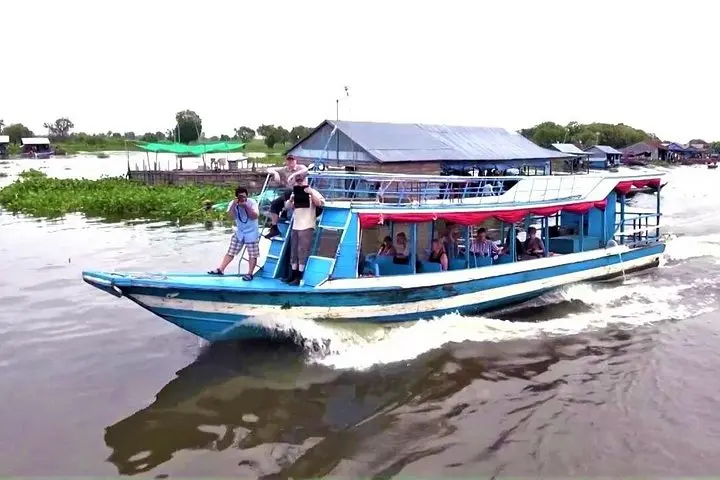
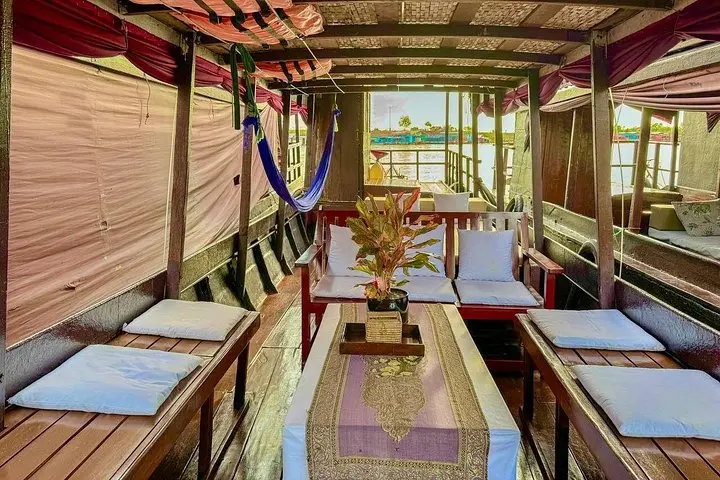
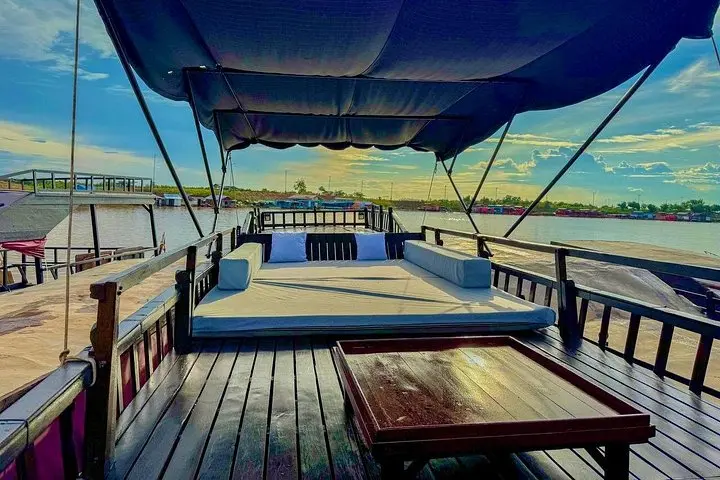
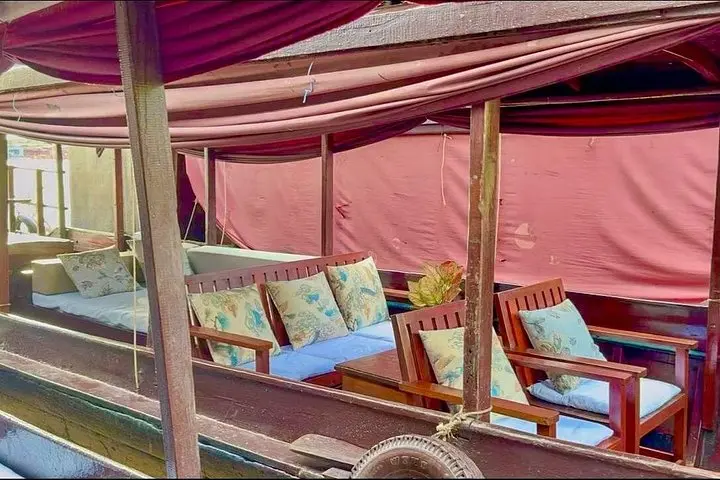
The motor chugs, water hisses against a long wooden hull, and the low roofs of floating houses slide past like a slow film. Morning light pools on the Tonle Sap as the boat leaves Siem Reap; fishermen nod, children wave from stilted porches, and mangroves fold into flooded forest.
The motor chugs, water hisses against a long wooden hull, and the low roofs of floating houses slide past like a slow film. Morning light pools on the Tonle Sap as the boat leaves Siem Reap; fishermen nod, children wave from stilted porches, and mangroves fold into flooded forest.
This route follows the great inland lake and its tributaries — a dynamic lake system shaped by monsoon rhythms and the Mekong’s seasonal pulse. Settlements here reflect centuries of riverine life: floating markets, raised schools and homes adapted to tides. Geologically, the lake is a shallow basin that swells in the wet season, pushing water and silt into new channels and reshaping shorelines year to year.
Culturally the trip is intimate: vendors in sampans, monks moving between towns, and families hauling fish to market. You’ll pass villages where boat engines bring supplies and the community’s pace is set by the rise and fall of water instead of clocks.
Practicalities are straightforward. Boats are traditional wooden craft with onboard toilets; total travel time ranges from about 5 to 7 hours depending on water levels. Pick-up in Siem Reap and drop-off in Battambang are usually included. Wear sun protection, bring insect repellent and a light layer for breezes on the open water. Note that water levels and an individual boat’s comfort can vary by season; plan for heat in the dry months and higher, smoother water in the monsoon.
This journey is less a transfer than a moving snapshot of rural Cambodia — slow, revealing, and remarkably human.