THE ADVENTURE COLLECTIVE® · Independent discovery and booking for outdoor travel

Trace Cambodia’s imperial story from Phnom Penh’s royal halls to Angkor’s sunrise — a compact five-day heritage route that mixes major temples, jungle streams and solemn memorials. Early mornings, multi-hour transfers and modest temple dress are part of the plan.
Trace Cambodia’s imperial story from Phnom Penh’s royal halls to Angkor’s sunrise — a compact five-day heritage route that mixes major temples, jungle streams and solemn memorials. Early mornings, multi-hour transfers and modest temple dress are part of the plan.
Dawn finds you at the moat of Angkor Wat, silhouettes sharpening as the sun pries gold from carved stone. The air is warm and humid; temple stones give off the dry, mineral smell of centuries. Over five focused days you move between urban monuments and jungle-mantled ruins, from Phnom Penh’s stately Royal Palace to the river-sculpted ruins of Kulen Mountain.
Verified experiences and guided adventures in the surrounding area.
Operated by Inspire the Journeys · Siem Reap, Siem Reap Province
Dawn finds you at the moat of Angkor Wat, silhouettes sharpening as the sun pries gold from carved stone. The air is warm and humid; temple stones give off the dry, mineral smell of centuries. Over five focused days you move between urban monuments and jungle-mantled ruins, from Phnom Penh’s stately Royal Palace to the river-sculpted ruins of Kulen Mountain.
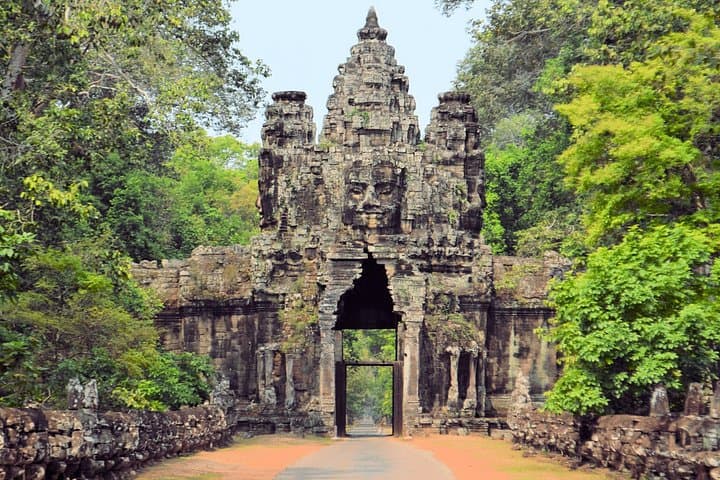
Cambodia’s landscape is low and river-fed—the Tonlé Sap and Mekong have shaped settlement patterns and temple locations for a thousand years. The Angkor complex, built during the Khmer Empire (9th–15th centuries), shows sandstone engineering and cosmology in bas-reliefs and face towers; nearby Kulen’s higher ground (≈400–500 m) offers forested trails, sacred river carvings and a waterfall that still calls pilgrims.
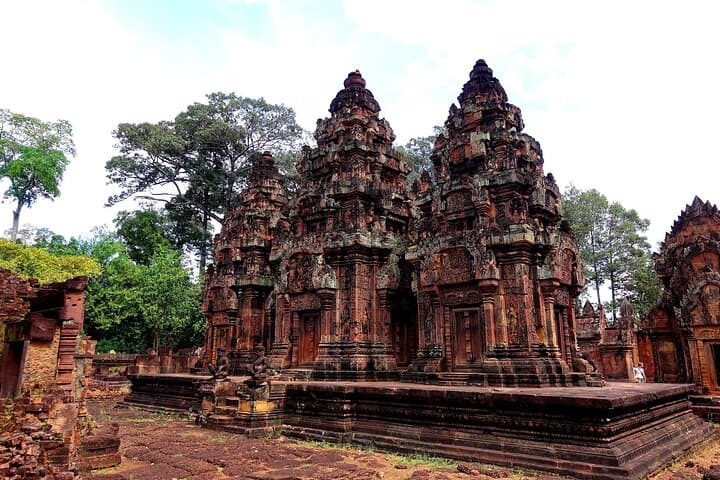
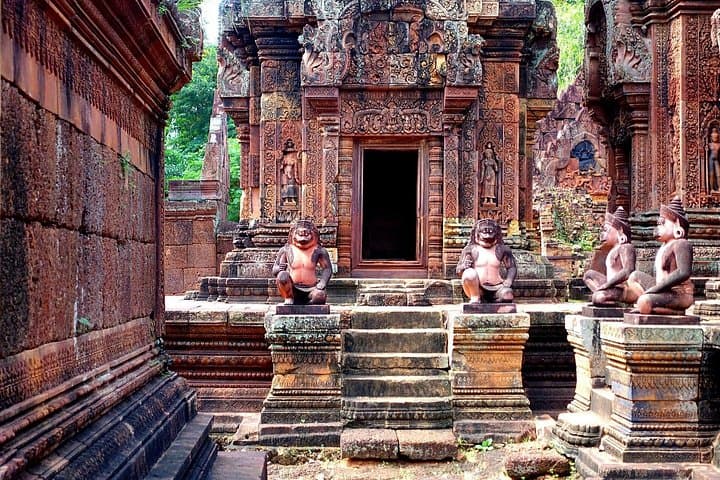
This itinerary balances memorial sites—Tuol Sleng and Choeung Ek—with lighter cultural days: the National Museum, Ta Prohm’s roots-wrapped galleries, Banteay Srei’s pink sandstone finesse. Expect routine transfers on National Road 6 (several hours), early starts for sunrise shoots, and short jungle walks at moderate elevation.
Practical notes: carry a refillable water bottle, wear breathable but modest clothing for temples, and bring insect repellent. Temperatures range widely by season—plan for heavy rain in monsoon months and intense sun in the hot season. Respect memorials and give yourself recovery time after long transfers; tipping local guides and drivers is customary and supports the communities you meet. With straightforward logistics and layered pacing, the tour delivers history, geology and living culture in a concise, walkable format.
Most nationalities can obtain a visa on arrival or an e‑visa before travel—check current embassy guidance and have passport details ready.
The tour description lists 'All Sightseeing Entrance Fee' as included; confirm at booking and retain receipts for record-keeping.
Daily walking is moderate—short hikes, temple staircases and standing during guided talks; it's suitable for most travelers with basic mobility.
Yes—day one includes airport pickup and hotel transfer; provide flight details at booking for timely meet-and-greet.
Inspire the Journeys operates guided outdoor trips and adventures with an emphasis on safety, stewardship, and memorable experiences.

Dawn finds you at the moat of Angkor Wat, silhouettes sharpening as the sun pries gold from carved stone. The air is warm and humid; temple stones give off the dry, mineral smell of centuries. Over five focused days you move between urban monuments and jungle-mantled ruins, from Phnom Penh’s stately Royal Palace to the river-sculpted ruins of Kulen Mountain.
Dawn finds you at the moat of Angkor Wat, silhouettes sharpening as the sun pries gold from carved stone. The air is warm and humid; temple stones give off the dry, mineral smell of centuries. Over five focused days you move between urban monuments and jungle-mantled ruins, from Phnom Penh’s stately Royal Palace to the river-sculpted ruins of Kulen Mountain.
Cambodia’s landscape is low and river-fed—the Tonlé Sap and Mekong have shaped settlement patterns and temple locations for a thousand years. The Angkor complex, built during the Khmer Empire (9th–15th centuries), shows sandstone engineering and cosmology in bas-reliefs and face towers; nearby Kulen’s higher ground (≈400–500 m) offers forested trails, sacred river carvings and a waterfall that still calls pilgrims.
This itinerary balances memorial sites—Tuol Sleng and Choeung Ek—with lighter cultural days: the National Museum, Ta Prohm’s roots-wrapped galleries, Banteay Srei’s pink sandstone finesse. Expect routine transfers on National Road 6 (several hours), early starts for sunrise shoots, and short jungle walks at moderate elevation.
Practical notes: carry a refillable water bottle, wear breathable but modest clothing for temples, and bring insect repellent. Temperatures range widely by season—plan for heavy rain in monsoon months and intense sun in the hot season. Respect memorials and give yourself recovery time after long transfers; tipping local guides and drivers is customary and supports the communities you meet. With straightforward logistics and layered pacing, the tour delivers history, geology and living culture in a concise, walkable format.