THE ADVENTURE COLLECTIVE® · Independent discovery and booking for outdoor travel

Three days moving from sunrise at Angkor Wat to the solemn grounds of the Killing Fields, this private tour combines iconic temple architecture with modern Cambodian history. Expect temple walks, a long transfer to Phnom Penh, and careful historical interpretation.
Three days moving from sunrise at Angkor Wat to the solemn grounds of the Killing Fields, this private tour combines iconic temple architecture with modern Cambodian history. Expect temple walks, a long transfer to Phnom Penh, and careful historical interpretation.
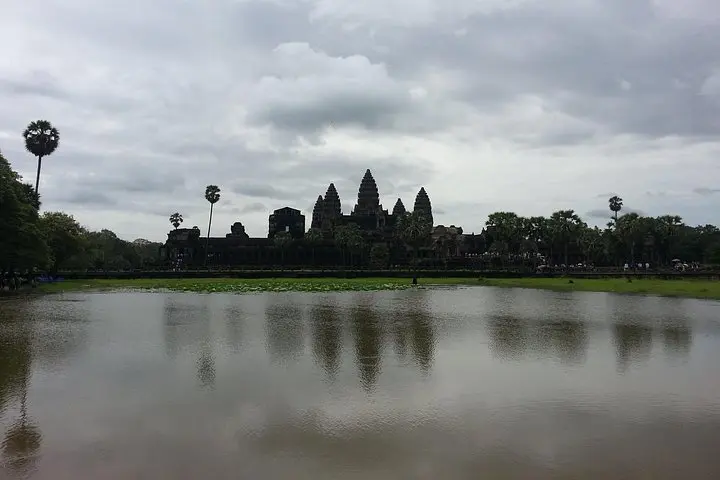
Before dawn the temple stones hold their breath. Soft light spills across the reflecting pool at Angkor Wat, birds pick at insects along the moat, and the first columns take on a honeyed tone—this is where the tour begins: three concentrated days moving from the ancient Khmer capital around Siem Reap toward the modern riverside of Phnom Penh.
Verified experiences and guided adventures in the surrounding area.
Operated by Private Tour Guide-Cambodia · Siem Reap, Siem Reap Province
Before dawn the temple stones hold their breath. Soft light spills across the reflecting pool at Angkor Wat, birds pick at insects along the moat, and the first columns take on a honeyed tone—this is where the tour begins: three concentrated days moving from the ancient Khmer capital around Siem Reap toward the modern riverside of Phnom Penh.
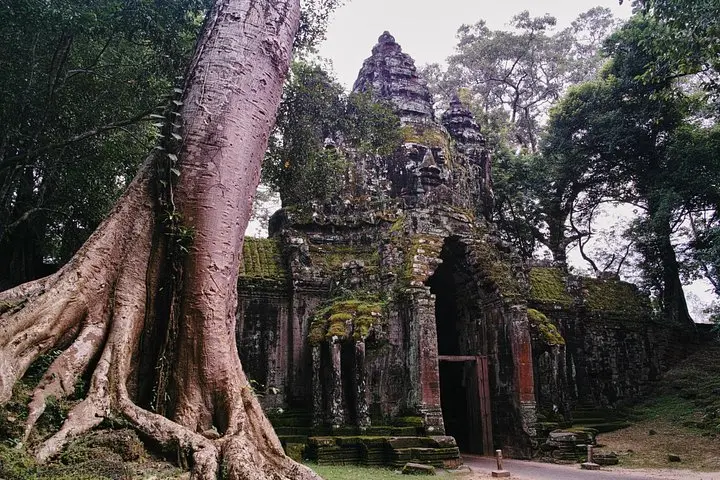
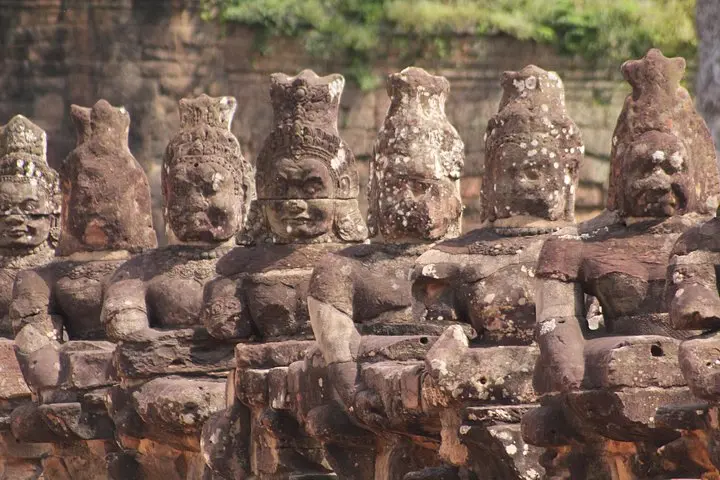
Day one follows the Angkorian city: the sculpted faces of Bayon watch slow processions of visitors, Ta Prohm’s strangling fig roots pull slowly at carved lintels, and Angkor Wat’s central towers rise from a filed plan of sandstone and laterite laid down in the 12th century by King Suryavarman II. The geology is simple — hard sandstone blocks quarried and ferried here — but the scale and stonework are staggering. Day two transfers south to Phnom Penh; the Royal Palace and its gilded pavilions reflect 19th-century royal tastes, a contrast to the jungle-open temples.
Day three turns sober: Toul Sleng (S-21) and the Killing Fields are direct reminders of 1970s Cambodia; the tour frames them with historical context and space for reflection.
Practicalities: expect light-to-moderate walking—plan on 3–6 km per day in Angkor with mostly flat, uneven stone surfaces and minimal elevation gain. Temperatures can spike; bring sun protection, comfortable shoes with good grip for temple steps, and a refillable water bottle. Respect temple dress codes (knees and shoulders covered), allow extra time for admission lines at Angkor, and leave space for quieter corners like Preah Khan if you want a less crowded moment among the ruins.
Yes—entry to Angkor Archaeological Park requires an Angkor Pass (1-, 3-, or 7-day); the tour operator normally advises on purchase ahead of arrival.
Driving between Siem Reap and Phnom Penh typically takes 5–6 hours depending on traffic and stops; this itinerary schedules the transfer on day two with brief roadside visits en route.
Toul Sleng and the Killing Fields contain graphic exhibits and may be distressing for young children—consider age and sensitivity before visiting.
Tipping is customary in Cambodia; if the guide and driver provided good service, modest tips are appreciated and often expected.
Private Tour Guide-Cambodia operates guided outdoor trips and adventures with an emphasis on safety, stewardship, and memorable experiences.
Before dawn the temple stones hold their breath. Soft light spills across the reflecting pool at Angkor Wat, birds pick at insects along the moat, and the first columns take on a honeyed tone—this is where the tour begins: three concentrated days moving from the ancient Khmer capital around Siem Reap toward the modern riverside of Phnom Penh.
Before dawn the temple stones hold their breath. Soft light spills across the reflecting pool at Angkor Wat, birds pick at insects along the moat, and the first columns take on a honeyed tone—this is where the tour begins: three concentrated days moving from the ancient Khmer capital around Siem Reap toward the modern riverside of Phnom Penh.
Day one follows the Angkorian city: the sculpted faces of Bayon watch slow processions of visitors, Ta Prohm’s strangling fig roots pull slowly at carved lintels, and Angkor Wat’s central towers rise from a filed plan of sandstone and laterite laid down in the 12th century by King Suryavarman II. The geology is simple — hard sandstone blocks quarried and ferried here — but the scale and stonework are staggering. Day two transfers south to Phnom Penh; the Royal Palace and its gilded pavilions reflect 19th-century royal tastes, a contrast to the jungle-open temples.
Day three turns sober: Toul Sleng (S-21) and the Killing Fields are direct reminders of 1970s Cambodia; the tour frames them with historical context and space for reflection.
Practicalities: expect light-to-moderate walking—plan on 3–6 km per day in Angkor with mostly flat, uneven stone surfaces and minimal elevation gain. Temperatures can spike; bring sun protection, comfortable shoes with good grip for temple steps, and a refillable water bottle. Respect temple dress codes (knees and shoulders covered), allow extra time for admission lines at Angkor, and leave space for quieter corners like Preah Khan if you want a less crowded moment among the ruins.