THE ADVENTURE COLLECTIVE® · Independent discovery and booking for outdoor travel

Travel from Angkor’s temple plains to Cambodia’s southern beaches on a private car or minivan, crossing 523 km of countryside and towns on Highways 6 and 4. Expect an 8–10 hour day with scheduled stops, air-conditioned vehicles, and a view of Cambodia’s shifting landscapes.
Travel from Angkor’s temple plains to Cambodia’s southern beaches on a private car or minivan, crossing 523 km of countryside and towns on Highways 6 and 4. Expect an 8–10 hour day with scheduled stops, air-conditioned vehicles, and a view of Cambodia’s shifting landscapes.
A driver opens the door at dawn and you slide into a cooled seat while the city of Angkor shrinks behind you. The first hours are a ribbon of rice paddies and low forest, villages appearing like chapters in a travel notebook; later the highway sharpens into broad stretches and the coast approaches with a humid, salt-scented breath. This private transfer along Highways 6 and 4 covers roughly 523 km and is scheduled for 8–10 hours including stops — long enough to travel Cambodia’s changing landscapes from the Angkor region through Kampong Thom and Phnom Penh province to the Gulf coast.
Verified experiences and guided adventures in the surrounding area.
Operated by Green Era Travel · Siem Reap, Siem Reap Province
A driver opens the door at dawn and you slide into a cooled seat while the city of Angkor shrinks behind you. The first hours are a ribbon of rice paddies and low forest, villages appearing like chapters in a travel notebook; later the highway sharpens into broad stretches and the coast approaches with a humid, salt-scented breath. This private transfer along Highways 6 and 4 covers roughly 523 km and is scheduled for 8–10 hours including stops — long enough to travel Cambodia’s changing landscapes from the Angkor region through Kampong Thom and Phnom Penh province to the Gulf coast.
Historically these routes link inland agricultural basins with the coast; you’ll pass towns shaped by riverine trade and colonial-era roads. Geologically the land is low and ancient, built on alluvial plains fed by the Tonle Sap and Mekong systems, which is why the route moves from dry-season dust to lush wet-season green. Culturally, roadside markets and Khmer temples peek from palms, offering a steady stream of local life to observe.
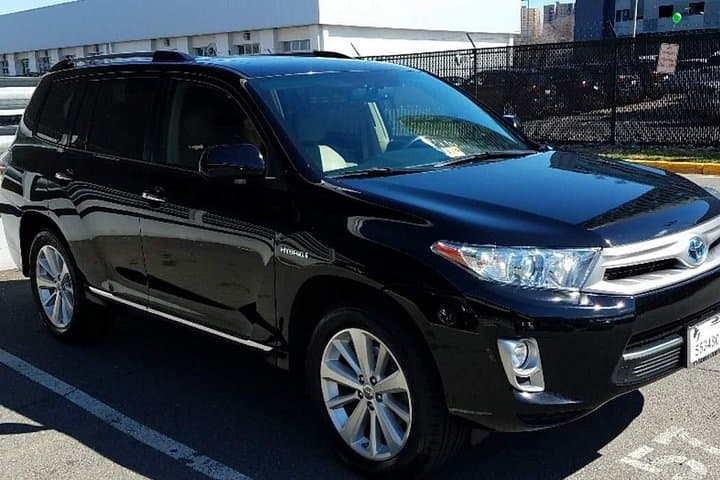
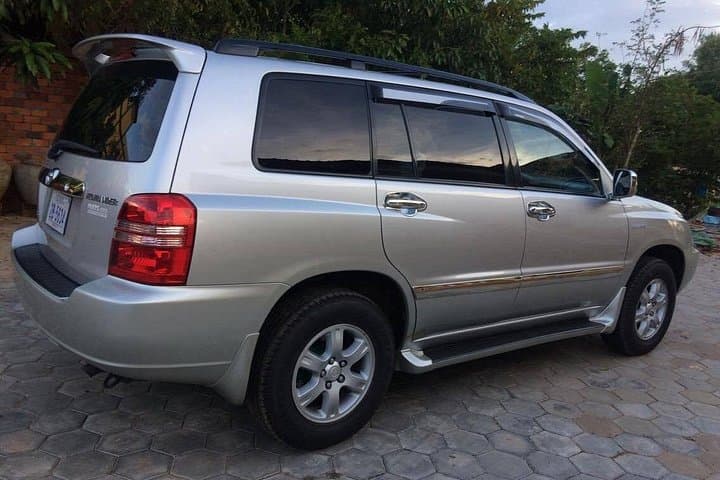
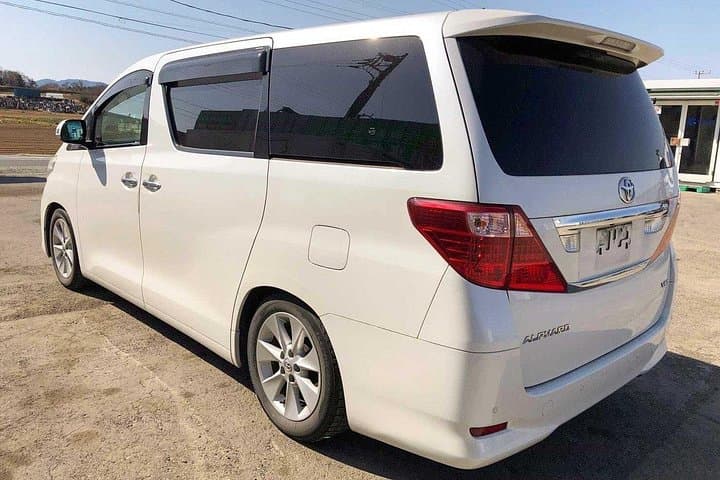
Practicalities matter here: choose a private sedan or minivan with air conditioning and charging ports, plan for regular toilet and photo stops, and expect variable road speeds through Phnom Penh traffic. Drivers may not speak fluent English but companies provide office support by phone. Bring snacks, a full phone battery, sunscreen and a light layer for cooler morning or air-conditioned vehicles. Book with flexibility — on national holidays or heavy rain the trip can take longer — and aim for a 7:00 departure to make the most of daylight and avoid late-night traffic on approach to Sihanoukville.
Plan for 8–10 hours door-to-door including rest stops; traffic or holiday travel can add time.
Yes — drivers stop at roadside restaurants and service areas for toilets and meals on request.
Yes for larger vehicles and vans — confirm luggage size when booking to ensure the right vehicle.
Drivers often understand basic English and can call office staff who speak fluent English for complex communication.
Green Era Travel operates guided outdoor trips and adventures with an emphasis on safety, stewardship, and memorable experiences.

A driver opens the door at dawn and you slide into a cooled seat while the city of Angkor shrinks behind you. The first hours are a ribbon of rice paddies and low forest, villages appearing like chapters in a travel notebook; later the highway sharpens into broad stretches and the coast approaches with a humid, salt-scented breath. This private transfer along Highways 6 and 4 covers roughly 523 km and is scheduled for 8–10 hours including stops — long enough to travel Cambodia’s changing landscapes from the Angkor region through Kampong Thom and Phnom Penh province to the Gulf coast.
A driver opens the door at dawn and you slide into a cooled seat while the city of Angkor shrinks behind you. The first hours are a ribbon of rice paddies and low forest, villages appearing like chapters in a travel notebook; later the highway sharpens into broad stretches and the coast approaches with a humid, salt-scented breath. This private transfer along Highways 6 and 4 covers roughly 523 km and is scheduled for 8–10 hours including stops — long enough to travel Cambodia’s changing landscapes from the Angkor region through Kampong Thom and Phnom Penh province to the Gulf coast.
Historically these routes link inland agricultural basins with the coast; you’ll pass towns shaped by riverine trade and colonial-era roads. Geologically the land is low and ancient, built on alluvial plains fed by the Tonle Sap and Mekong systems, which is why the route moves from dry-season dust to lush wet-season green. Culturally, roadside markets and Khmer temples peek from palms, offering a steady stream of local life to observe.
Practicalities matter here: choose a private sedan or minivan with air conditioning and charging ports, plan for regular toilet and photo stops, and expect variable road speeds through Phnom Penh traffic. Drivers may not speak fluent English but companies provide office support by phone. Bring snacks, a full phone battery, sunscreen and a light layer for cooler morning or air-conditioned vehicles. Book with flexibility — on national holidays or heavy rain the trip can take longer — and aim for a 7:00 departure to make the most of daylight and avoid late-night traffic on approach to Sihanoukville.