THE ADVENTURE COLLECTIVE® · Independent discovery and booking for outdoor travel

Ride a tuk‑tuk into the heart of the Angkor complex with a seasoned local driver—see Angkor Wat, Bayon, and Ta Prohm in a single, manageable day. Practical tips on passes, dress code, and timing help you make the most of the temples.
Ride a tuk‑tuk into the heart of the Angkor complex with a seasoned local driver—see Angkor Wat, Bayon, and Ta Prohm in a single, manageable day. Practical tips on passes, dress code, and timing help you make the most of the temples.
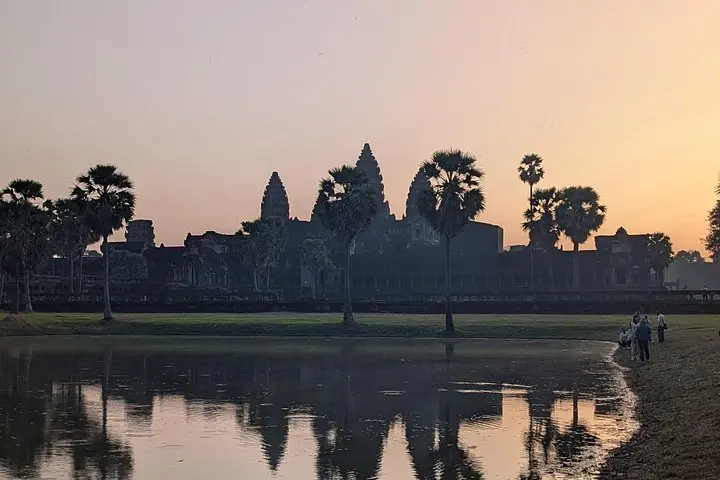
You pull away from Siem Reap before the heat rises, the tuk‑tuk’s breeze carrying the scent of dusty earth and frangipani. Rice paddies slip by as the silhouette of Angkor’s towers sharpens on the horizon; by the time you reach the outer causeway the stone is cool, ancient carvings waiting like pages in an open book.
Verified experiences and guided adventures in the surrounding area.
Operated by Tiger power · Siem Reap, Siem Reap Province
You pull away from Siem Reap before the heat rises, the tuk‑tuk’s breeze carrying the scent of dusty earth and frangipani. Rice paddies slip by as the silhouette of Angkor’s towers sharpens on the horizon; by the time you reach the outer causeway the stone is cool, ancient carvings waiting like pages in an open book.
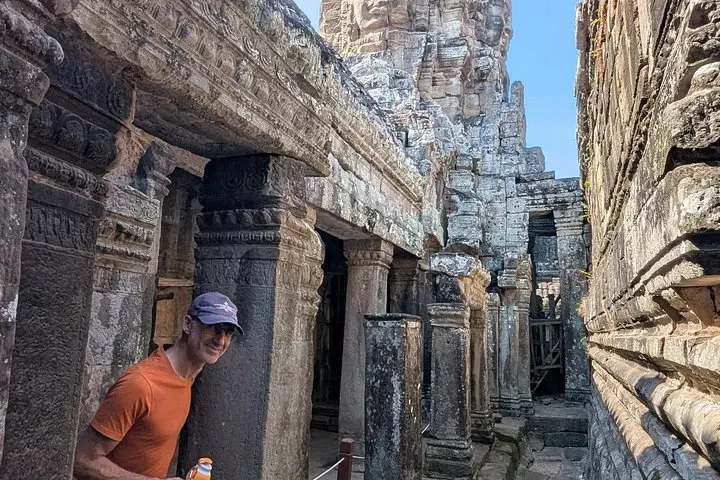
Angkor Wat was raised in the 12th century under Suryavarman II as a state temple and mausoleum; nearby Bayon crowns Angkor Thom with its many carved faces, while Ta Prohm shows the slow work of roots and time on sandstone and laterite. The geology—stacked sandstone blocks quarried from nearby mountains—combined with a tropical climate has shaped the way these temples weather and settle into the surrounding jungle.
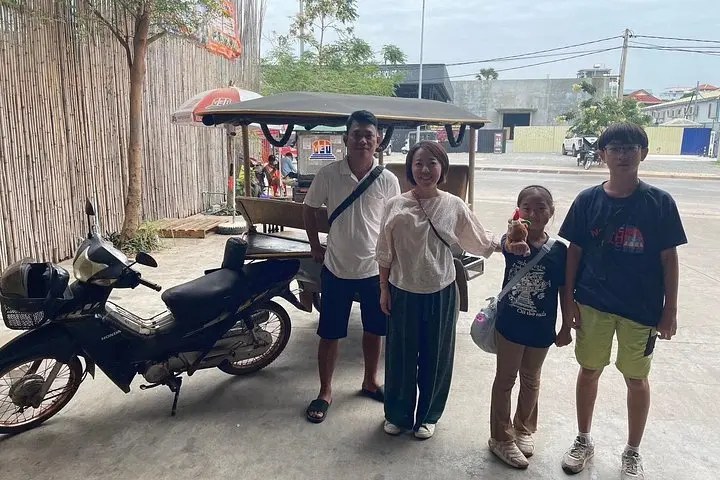
Local drivers, like the tour host Tiger, handle the logistics—hotel pickups, chilled water, and a flexible day that stitches together sunrise stops, quieter terraces, and photo-friendly angles. Note: drivers typically wait while you explore; if you want an onsite archaeological guide, ask in advance so arrangements can be made.
Practicals: buy an Angkor Pass at the ticket center before entry, dress respectfully (shoulders and knees covered), bring at least 2 liters of water, and plan early starts to avoid mid‑day crowds and heat. Comfortable, grippy shoes are a must—many temple steps are uneven and slippery. Keep to marked paths, avoid touching bas‑reliefs, and carry insect repellent for shaded corridors. With a sensible pace and a local driver handling transport, a tuk‑tuk day is an efficient, immersive way to experience Angkor’s major sights without the stress of navigation.
Yes—Angkor passes are purchased at the official ticket center near the complex; carry your pass at all times as checkpoints check entry.
Drivers typically wait outside while you explore; if you want an archaeological guide inside the temples, arrange one in advance through the operator.
Yes—shoulders and knees should be covered out of respect for local customs; lightweight, breathable coverings are recommended in the heat.
Transport can be wheelchair accessible but temple interiors have uneven stone, steep steps, and limited accessible routes—check specific needs with the operator ahead of time.
Tiger power operates guided outdoor trips and adventures with an emphasis on safety, stewardship, and memorable experiences.

You pull away from Siem Reap before the heat rises, the tuk‑tuk’s breeze carrying the scent of dusty earth and frangipani. Rice paddies slip by as the silhouette of Angkor’s towers sharpens on the horizon; by the time you reach the outer causeway the stone is cool, ancient carvings waiting like pages in an open book.
You pull away from Siem Reap before the heat rises, the tuk‑tuk’s breeze carrying the scent of dusty earth and frangipani. Rice paddies slip by as the silhouette of Angkor’s towers sharpens on the horizon; by the time you reach the outer causeway the stone is cool, ancient carvings waiting like pages in an open book.
Angkor Wat was raised in the 12th century under Suryavarman II as a state temple and mausoleum; nearby Bayon crowns Angkor Thom with its many carved faces, while Ta Prohm shows the slow work of roots and time on sandstone and laterite. The geology—stacked sandstone blocks quarried from nearby mountains—combined with a tropical climate has shaped the way these temples weather and settle into the surrounding jungle.
Local drivers, like the tour host Tiger, handle the logistics—hotel pickups, chilled water, and a flexible day that stitches together sunrise stops, quieter terraces, and photo-friendly angles. Note: drivers typically wait while you explore; if you want an onsite archaeological guide, ask in advance so arrangements can be made.
Practicals: buy an Angkor Pass at the ticket center before entry, dress respectfully (shoulders and knees covered), bring at least 2 liters of water, and plan early starts to avoid mid‑day crowds and heat. Comfortable, grippy shoes are a must—many temple steps are uneven and slippery. Keep to marked paths, avoid touching bas‑reliefs, and carry insect repellent for shaded corridors. With a sensible pace and a local driver handling transport, a tuk‑tuk day is an efficient, immersive way to experience Angkor’s major sights without the stress of navigation.