THE ADVENTURE COLLECTIVE® · Independent discovery and booking for outdoor travel

Board a tuk‑tuk to a village market, learn Khmer staples from an organic garden, then prepare and eat your own amok and green mango salad. This three‑hour, small‑group class includes market shopping, hands‑on instruction, and hotel pickup in Siem Reap.
Board a tuk‑tuk to a village market, learn Khmer staples from an organic garden, then prepare and eat your own amok and green mango salad. This three‑hour, small‑group class includes market shopping, hands‑on instruction, and hotel pickup in Siem Reap.
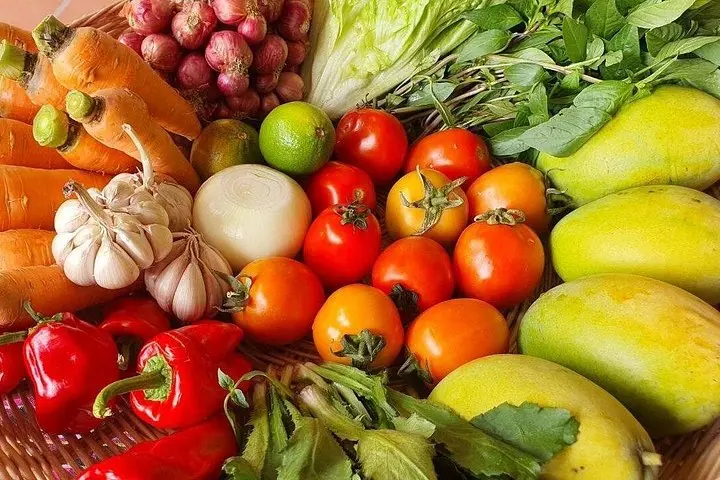
You climb into a tuk‑tuk as the morning heat settles over rice paddies and the road hums toward a small village outside Siem Reap. Vendors unpack baskets of bright herbs, green mangoes and fish from the Tonle Sap; the air is half spice, half river. The class begins with a market walk—the instructor points out galangal, kaffir lime leaves and prahok—then moves to a shaded cooking area and an adjoining organic plot where ingredients were grown that morning.
Verified experiences and guided adventures in the surrounding area.
Operated by Green Era Travel · Siem Reap, Siem Reap Province
You climb into a tuk‑tuk as the morning heat settles over rice paddies and the road hums toward a small village outside Siem Reap. Vendors unpack baskets of bright herbs, green mangoes and fish from the Tonle Sap; the air is half spice, half river. The class begins with a market walk—the instructor points out galangal, kaffir lime leaves and prahok—then moves to a shaded cooking area and an adjoining organic plot where ingredients were grown that morning.
Cambodian cooking reflects trade routes and rivers: Chinese noodles and steaming techniques, Indian‑style curries mellowed by coconut milk, and a French legacy visible in baguette snacks. The nearby Tonle Sap and Mekong feed the kitchens here year‑round, and fermented fish (prahok) anchors many savory dishes.
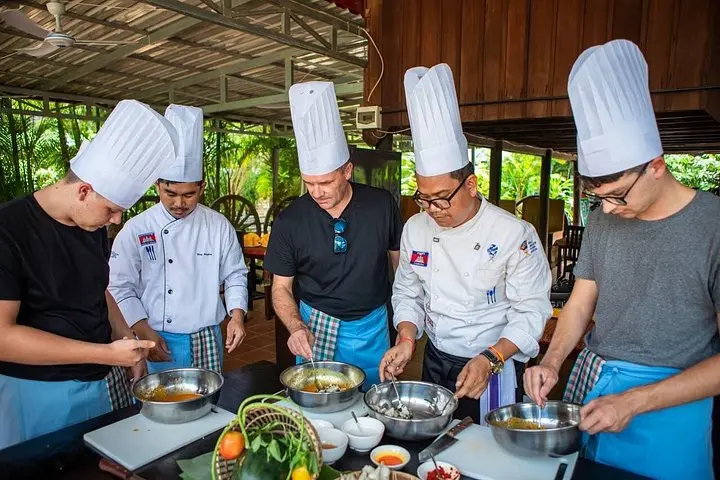
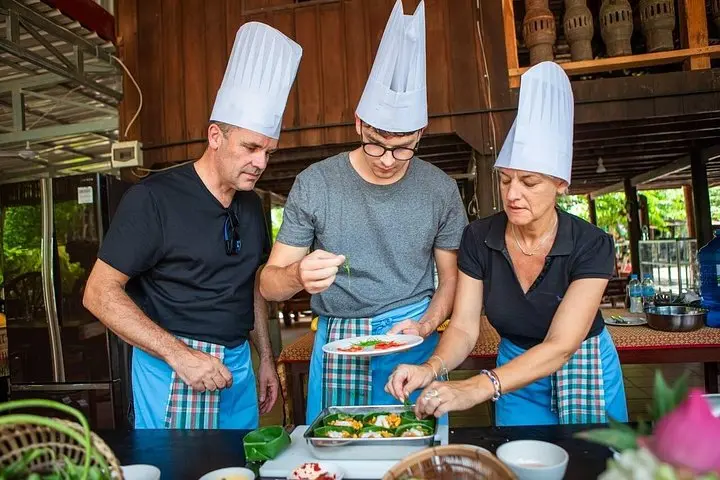
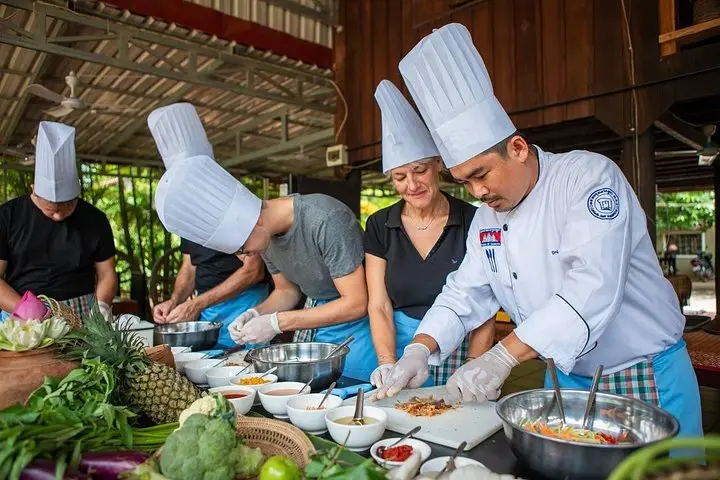
Practical details are clear: the experience runs about three hours, includes tuk‑tuk pickup and drop‑off in Siem Reap, small groups (up to 12), and a three‑course lunch with drinks. You’ll cook items like green mango salad and steamed amok in banana leaf, guided step‑by‑step.
Plan to go early to avoid midday heat, wear closed‑toe shoes for the market and short kitchen stints, and flag any allergies in advance. Bring small local currency for extra market purchases and dress for humid weather. The class is hands‑on but beginner friendly—expect standing, knife skills practice and plenty of tasting. It’s an efficient, sensory way to learn Khmer ingredients, support local vendors, and take a practical culinary souvenir home.
Yes; tuk‑tuk hotel pickup and drop‑off in Siem Reap are included in the 3‑hour experience.
Yes—notify the operator in advance so recipes can be adjusted; many dishes can be made with tofu or extra vegetables.
For safety reasons children must be 12 years or older to participate in this hands‑on class.
Most classes are taught in English by local instructors; confirm language needs when booking for non‑English speakers.
Green Era Travel operates guided outdoor trips and adventures with an emphasis on safety, stewardship, and memorable experiences.
You climb into a tuk‑tuk as the morning heat settles over rice paddies and the road hums toward a small village outside Siem Reap. Vendors unpack baskets of bright herbs, green mangoes and fish from the Tonle Sap; the air is half spice, half river. The class begins with a market walk—the instructor points out galangal, kaffir lime leaves and prahok—then moves to a shaded cooking area and an adjoining organic plot where ingredients were grown that morning.
You climb into a tuk‑tuk as the morning heat settles over rice paddies and the road hums toward a small village outside Siem Reap. Vendors unpack baskets of bright herbs, green mangoes and fish from the Tonle Sap; the air is half spice, half river. The class begins with a market walk—the instructor points out galangal, kaffir lime leaves and prahok—then moves to a shaded cooking area and an adjoining organic plot where ingredients were grown that morning.
Cambodian cooking reflects trade routes and rivers: Chinese noodles and steaming techniques, Indian‑style curries mellowed by coconut milk, and a French legacy visible in baguette snacks. The nearby Tonle Sap and Mekong feed the kitchens here year‑round, and fermented fish (prahok) anchors many savory dishes.
Practical details are clear: the experience runs about three hours, includes tuk‑tuk pickup and drop‑off in Siem Reap, small groups (up to 12), and a three‑course lunch with drinks. You’ll cook items like green mango salad and steamed amok in banana leaf, guided step‑by‑step.
Plan to go early to avoid midday heat, wear closed‑toe shoes for the market and short kitchen stints, and flag any allergies in advance. Bring small local currency for extra market purchases and dress for humid weather. The class is hands‑on but beginner friendly—expect standing, knife skills practice and plenty of tasting. It’s an efficient, sensory way to learn Khmer ingredients, support local vendors, and take a practical culinary souvenir home.