THE ADVENTURE COLLECTIVE® · Independent discovery and booking for outdoor travel

Scan pine crowns and dry-forest ridgelines for endemic species on a guided birdwatching tour through Sierra de Bahoruco. This practical half-day experience mixes short walks, vehicle access, and expert interpretation to maximize sightings and minimize effort.
Scan pine crowns and dry-forest ridgelines for endemic species on a guided birdwatching tour through Sierra de Bahoruco. This practical half-day experience mixes short walks, vehicle access, and expert interpretation to maximize sightings and minimize effort.
Morning light slices through dry forest and pine as a single safari vehicle threads the narrow Aceitillar highway, dropping passengers at shaded pulls to train optics on quick silhouettes and vibrant flashes of wing. On this guided tour of the Sierra de Bahoruco and adjacent Jaragua, the landscape changes rapidly: low, thorny scrub gives way to humid ravines and the higher, cooler pine stands where endemic birds concentrate.
Verified experiences and guided adventures in the surrounding area.
Operated by Larimar Ecotour · Barahona, Barahona
Morning light slices through dry forest and pine as a single safari vehicle threads the narrow Aceitillar highway, dropping passengers at shaded pulls to train optics on quick silhouettes and vibrant flashes of wing. On this guided tour of the Sierra de Bahoruco and adjacent Jaragua, the landscape changes rapidly: low, thorny scrub gives way to humid ravines and the higher, cooler pine stands where endemic birds concentrate.
The range sits on Hispaniola’s southwestern spine and reflects a complex geological history of uplift, erosion and changing climates; soils and elevation create distinct habitats that support endemics like the Bahorucos chirrí and the Sierra parrot. Culturally, the area has long been a working landscape—ranching and small-scale farming coexist near protected patches—so guides often weave local knowledge about seasonal movements and traditional land use into the birding narrative.
Practically, expect a day of short walks from the vehicle across uneven trails, interspersed with longer scanning sessions. Guides focus on audible cues and habitat markers to locate species; photographers should bring mid-to-long telephoto lenses and fast autofocus. The tour’s accessibility and private transport make it suitable for beginners, though early starts, steady walking shoe traction, sun protection and hydration are essential. Pack binoculars, layered clothing for cooler high-elevation pockets, and insect repellent. Timing matters: migration windows and breeding seasons shift what you’ll see, and skilled guides will tailor stops to maximize sightings while minimizing disturbance.
Expect endemic and regional species such as the Bahorucos chirrí, Sierra parrot, Selle thrush, canary species, and seasonal migrants; exact sightings depend on season and habitat stop.
Yes—guides accommodate all experience levels and provide identification help and basic birding techniques.
Short guided walks from the vehicle at several vantage points; most of the route is vehicle-supported with intermittent on-foot searches.
Yes—tours include bottled water, soda, coffee/tea and lunch; bring any specialized snacks or dietary items you need.
Larimar Ecotour operates guided outdoor trips and adventures with an emphasis on safety, stewardship, and memorable experiences.
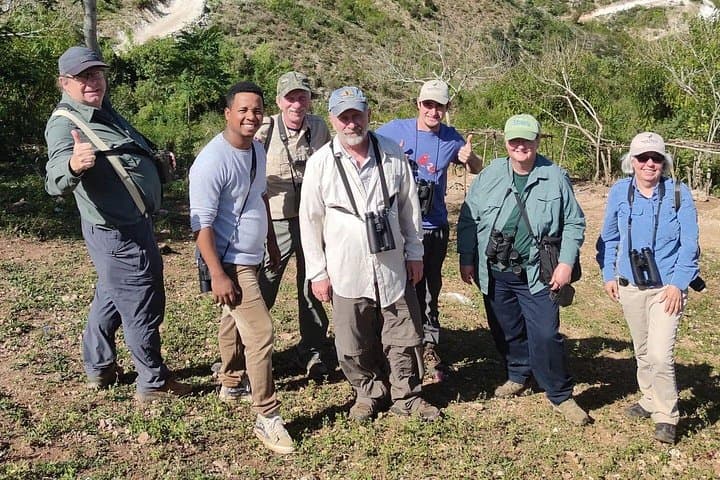
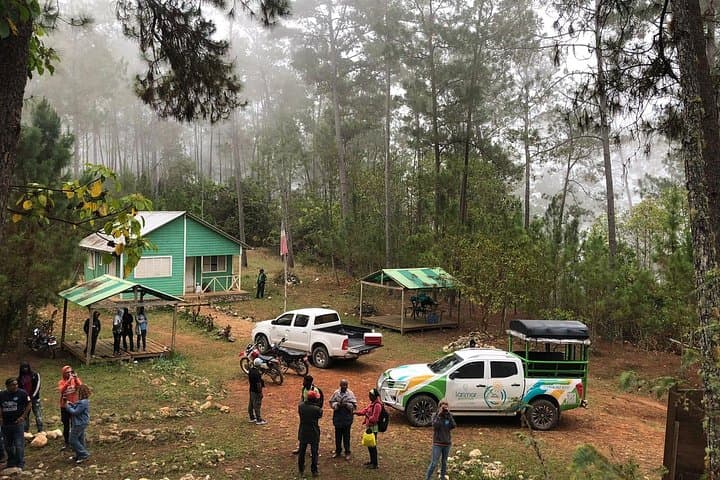


Morning light slices through dry forest and pine as a single safari vehicle threads the narrow Aceitillar highway, dropping passengers at shaded pulls to train optics on quick silhouettes and vibrant flashes of wing. On this guided tour of the Sierra de Bahoruco and adjacent Jaragua, the landscape changes rapidly: low, thorny scrub gives way to humid ravines and the higher, cooler pine stands where endemic birds concentrate.
Morning light slices through dry forest and pine as a single safari vehicle threads the narrow Aceitillar highway, dropping passengers at shaded pulls to train optics on quick silhouettes and vibrant flashes of wing. On this guided tour of the Sierra de Bahoruco and adjacent Jaragua, the landscape changes rapidly: low, thorny scrub gives way to humid ravines and the higher, cooler pine stands where endemic birds concentrate.
The range sits on Hispaniola’s southwestern spine and reflects a complex geological history of uplift, erosion and changing climates; soils and elevation create distinct habitats that support endemics like the Bahorucos chirrí and the Sierra parrot. Culturally, the area has long been a working landscape—ranching and small-scale farming coexist near protected patches—so guides often weave local knowledge about seasonal movements and traditional land use into the birding narrative.
Practically, expect a day of short walks from the vehicle across uneven trails, interspersed with longer scanning sessions. Guides focus on audible cues and habitat markers to locate species; photographers should bring mid-to-long telephoto lenses and fast autofocus. The tour’s accessibility and private transport make it suitable for beginners, though early starts, steady walking shoe traction, sun protection and hydration are essential. Pack binoculars, layered clothing for cooler high-elevation pockets, and insect repellent. Timing matters: migration windows and breeding seasons shift what you’ll see, and skilled guides will tailor stops to maximize sightings while minimizing disturbance.