THE ADVENTURE COLLECTIVE® · Independent discovery and booking for outdoor travel

Spend a half-day on the GR221 through Mallorca’s Serra de Tramuntana, mixing limestone ridges, dry-stone terraces and a small local picnic. Ideal for hikers who want culture, views and a chance to spot wild goats and almond blossom.
Spend a half-day on the GR221 through Mallorca’s Serra de Tramuntana, mixing limestone ridges, dry-stone terraces and a small local picnic. Ideal for hikers who want culture, views and a chance to spot wild goats and almond blossom.
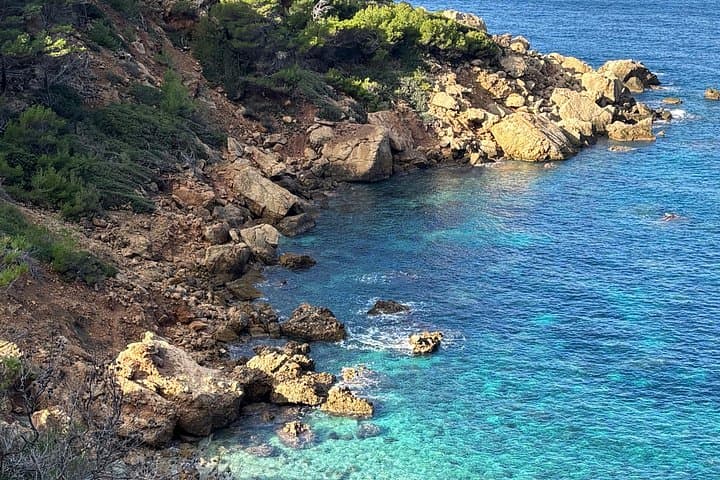
You step off the coast-road and the air changes — drier, threaded with pine resin and the faint sweet of almond blossom in season. Palms and stone houses slip behind as the track climbs; terraces and dry-stone walls rise like human-made contours on the mountain flanks. The sea stays in view, a blue edge that seems to dare you forward.
Verified experiences and guided adventures in the surrounding area.
Operated by Topmallorca.eu · Palma, Balearic Islands
You step off the coast-road and the air changes — drier, threaded with pine resin and the faint sweet of almond blossom in season. Palms and stone houses slip behind as the track climbs; terraces and dry-stone walls rise like human-made contours on the mountain flanks. The sea stays in view, a blue edge that seems to dare you forward.
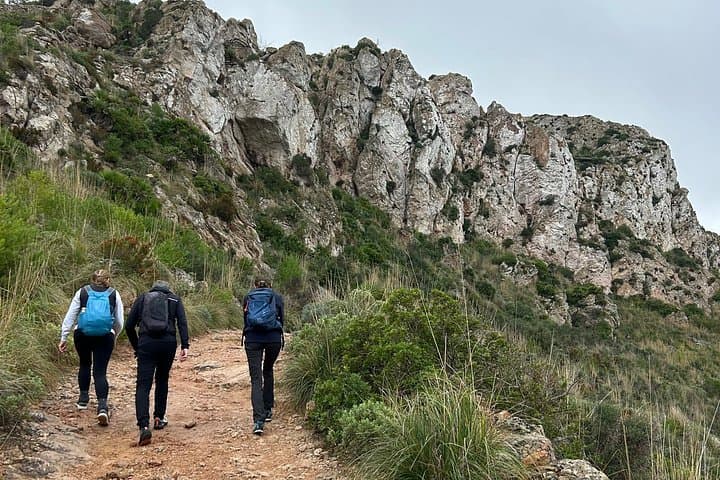
This guided walk follows part of the GR221, the famed Dry Stone Route that traces Mallorca’s Serra de Tramuntana. The range is a UNESCO World Heritage cultural landscape formed by millennia of terrace agriculture, water channels and shepherding traditions. Geologically it’s limestone folded into sharp ridges and hidden karst gullies, so expect rocky footing and sudden viewpoints.
Local culture arrives in small things: shepherd tracks, centuries-old possessions, and roadside fig trees. In winter the almond trees flame into blossom; in summer some itineraries offer a chance for a dip in crystalline coastal coves after the hike. Wild goats are common company on ridge walks, and the guide adapts the route to your pace and skill, making this a good half-day introduction to Tramuntana’s higher trails.
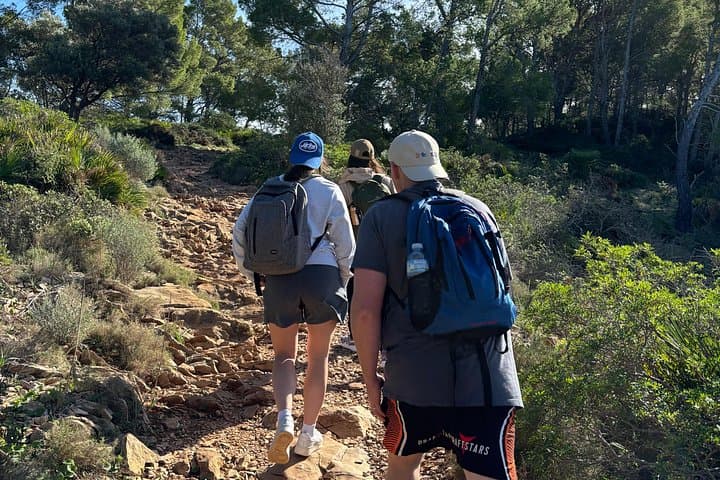
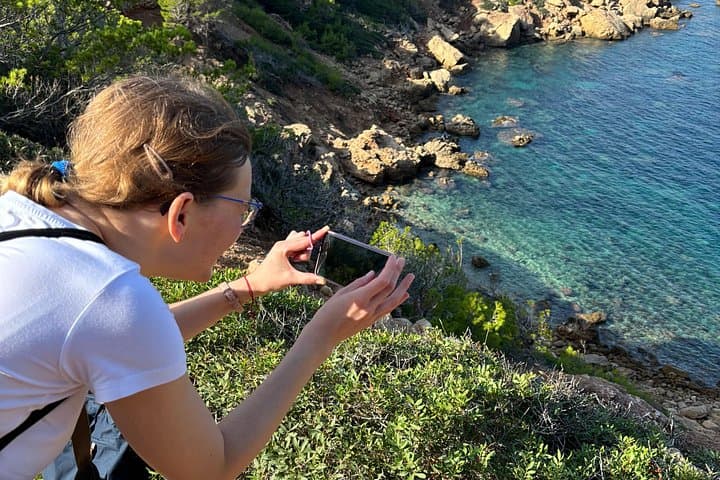
Practical side: the outing runs 4–5 hours total including transfer from Palma, with 2–3 hours of actual hiking. Trails feature rocky singletrack, loose scree and short steep pitches — good ankle support and steady footing matter. Pack layers, sun protection, a refillable water bottle, and sturdy shoes. The picnic is local fare and a welcome pause with expansive views — bring a camera and a light curiosity for small, resilient landscapes.
The guide meets in central Palma (in front of the stated statue) and transportation to the Tramuntana is provided.
Most itineraries are moderate: 2–3 hours of hiking with rocky singletrack and some short steep sections; the guide tailors pace to the group.
Some summer routes include a stop at a nearby cove for a quick swim, but it depends on the day’s chosen trail and timing.
Tours can be canceled for adverse weather; the operator offers a full refund if canceled at least 24 hours before departure or due to bad weather.
Topmallorca.eu operates guided outdoor trips and adventures with an emphasis on safety, stewardship, and memorable experiences.
You step off the coast-road and the air changes — drier, threaded with pine resin and the faint sweet of almond blossom in season. Palms and stone houses slip behind as the track climbs; terraces and dry-stone walls rise like human-made contours on the mountain flanks. The sea stays in view, a blue edge that seems to dare you forward.
You step off the coast-road and the air changes — drier, threaded with pine resin and the faint sweet of almond blossom in season. Palms and stone houses slip behind as the track climbs; terraces and dry-stone walls rise like human-made contours on the mountain flanks. The sea stays in view, a blue edge that seems to dare you forward.
This guided walk follows part of the GR221, the famed Dry Stone Route that traces Mallorca’s Serra de Tramuntana. The range is a UNESCO World Heritage cultural landscape formed by millennia of terrace agriculture, water channels and shepherding traditions. Geologically it’s limestone folded into sharp ridges and hidden karst gullies, so expect rocky footing and sudden viewpoints.
Local culture arrives in small things: shepherd tracks, centuries-old possessions, and roadside fig trees. In winter the almond trees flame into blossom; in summer some itineraries offer a chance for a dip in crystalline coastal coves after the hike. Wild goats are common company on ridge walks, and the guide adapts the route to your pace and skill, making this a good half-day introduction to Tramuntana’s higher trails.
Practical side: the outing runs 4–5 hours total including transfer from Palma, with 2–3 hours of actual hiking. Trails feature rocky singletrack, loose scree and short steep pitches — good ankle support and steady footing matter. Pack layers, sun protection, a refillable water bottle, and sturdy shoes. The picnic is local fare and a welcome pause with expansive views — bring a camera and a light curiosity for small, resilient landscapes.