THE ADVENTURE COLLECTIVE® · Independent discovery and booking for outdoor travel
Paddle gentle mangrove channels off Siesta Key with a local naturalist guide. Expect slow, family-friendly kayaking, chances to see manatees and dolphins, a private shell-strewn beach and concise local history from Mote Marine.
Paddle gentle mangrove channels off Siesta Key with a local naturalist guide. Expect slow, family-friendly kayaking, chances to see manatees and dolphins, a private shell-strewn beach and concise local history from Mote Marine.
A low, salt-scented wind pulls at the brim of your hat as the kayak slips from the trailer into a narrow mangrove channel. The guide calls out a distant splash — a dolphin weaving between roots — and the water seems to hold its breath. Over the next two hours the paddle stays slow and deliberate, threading between mangrove islands and opening into a private sand spit where shells and fossilized shark teeth wash up like small surprises.
Verified experiences and guided adventures in the surrounding area.
Operated by Kayaking SRQ Tours and Rentals · Siesta Key, Florida
A low, salt-scented wind pulls at the brim of your hat as the kayak slips from the trailer into a narrow mangrove channel. The guide calls out a distant splash — a dolphin weaving between roots — and the water seems to hold its breath. Over the next two hours the paddle stays slow and deliberate, threading between mangrove islands and opening into a private sand spit where shells and fossilized shark teeth wash up like small surprises.
This stretch of the Gulf Coast is geologically young: Holocene sands and coastal currents built the barrier islands that now protect Sarasota Bay. Siesta Key’s quartz-sand beaches are unusually bright, while the mangrove stands are living nurseries for fish and birds. Mote Marine Laboratory, founded in nearby Sarasota, helped map local seagrass beds and played a role in regional marine stewardship; guides often pass that history along.
Expect birdlife — herons, egrets and occasional roseate spoonbills — and the possibility of manatees and bottlenose dolphins near quieter channels. The route covers roughly 2–3 miles of sheltered paddling with no elevation change and plenty of stop-and-look moments, so it suits most abilities.
Practical notes: wear quick-dry clothing, reef shoes, sunscreen and bring a refillable water bottle; the operator provides kayaks, paddles, life jackets and dry bags. Morning departures offer calmer water and better wildlife viewing; avoid mid-day heat in summer. Keep distance from wildlife, pack out any trash, and follow your guide’s instructions for a safe, low-impact experience on these fragile coastal waters.
No prior experience is required; guides provide instruction and the paddling is deliberately slow and sheltered.
Yes — the tour is suitable for all ages and abilities, but minors should be accompanied by an adult and follow guide directions.
Common sightings include wading birds, shorebirds, bottlenose dolphins and occasionally West Indian manatees in the shallower channels.
The operator may cancel for high winds or unsafe conditions; full refunds are available if canceled at least 24 hours prior or for bad weather.
Kayaking SRQ Tours and Rentals operates guided outdoor trips and adventures with an emphasis on safety, stewardship, and memorable experiences.
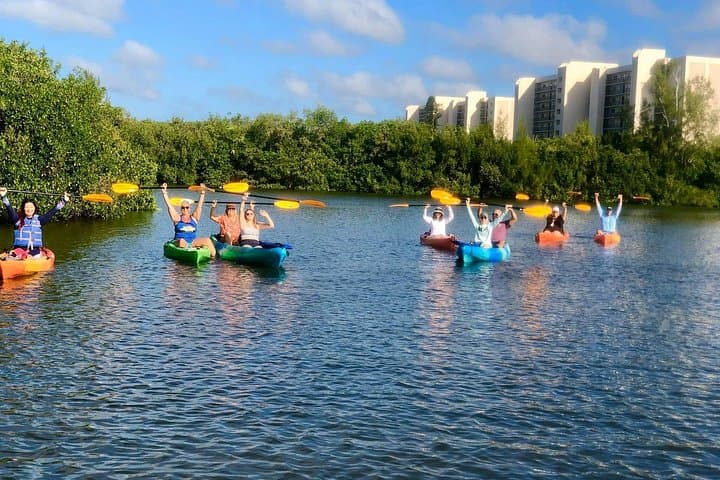
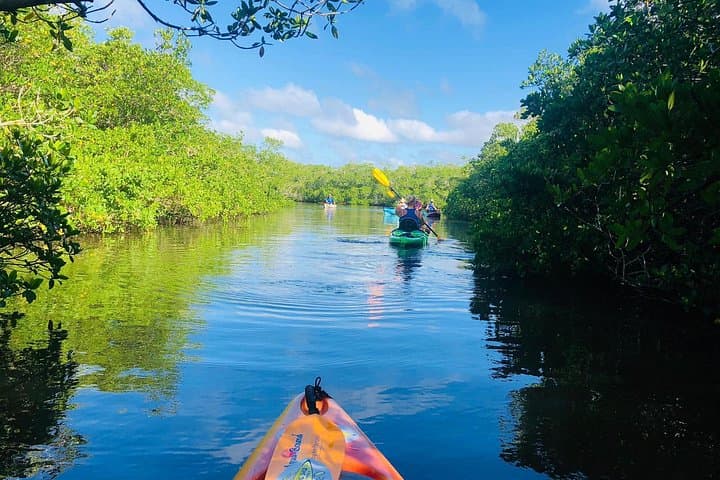
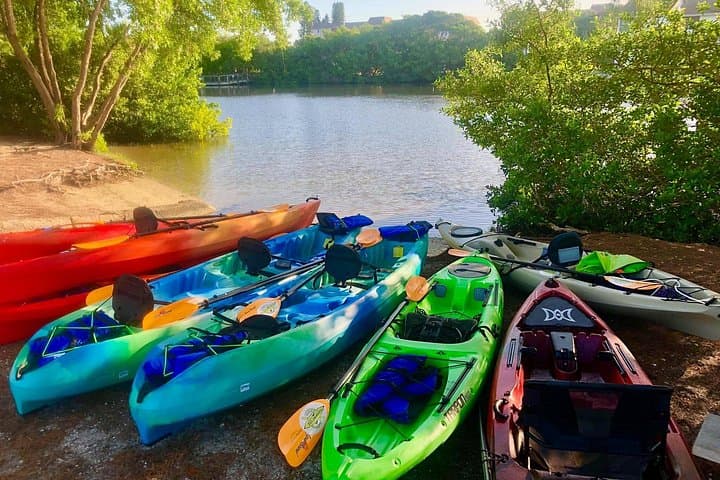
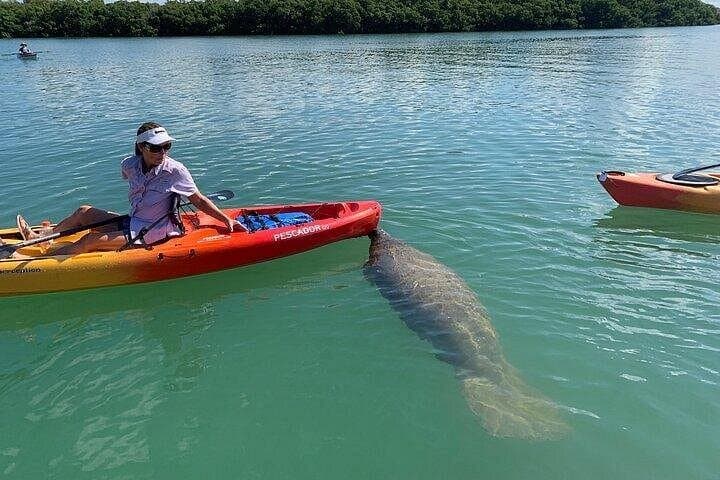
A low, salt-scented wind pulls at the brim of your hat as the kayak slips from the trailer into a narrow mangrove channel. The guide calls out a distant splash — a dolphin weaving between roots — and the water seems to hold its breath. Over the next two hours the paddle stays slow and deliberate, threading between mangrove islands and opening into a private sand spit where shells and fossilized shark teeth wash up like small surprises.
A low, salt-scented wind pulls at the brim of your hat as the kayak slips from the trailer into a narrow mangrove channel. The guide calls out a distant splash — a dolphin weaving between roots — and the water seems to hold its breath. Over the next two hours the paddle stays slow and deliberate, threading between mangrove islands and opening into a private sand spit where shells and fossilized shark teeth wash up like small surprises.
This stretch of the Gulf Coast is geologically young: Holocene sands and coastal currents built the barrier islands that now protect Sarasota Bay. Siesta Key’s quartz-sand beaches are unusually bright, while the mangrove stands are living nurseries for fish and birds. Mote Marine Laboratory, founded in nearby Sarasota, helped map local seagrass beds and played a role in regional marine stewardship; guides often pass that history along.
Expect birdlife — herons, egrets and occasional roseate spoonbills — and the possibility of manatees and bottlenose dolphins near quieter channels. The route covers roughly 2–3 miles of sheltered paddling with no elevation change and plenty of stop-and-look moments, so it suits most abilities.
Practical notes: wear quick-dry clothing, reef shoes, sunscreen and bring a refillable water bottle; the operator provides kayaks, paddles, life jackets and dry bags. Morning departures offer calmer water and better wildlife viewing; avoid mid-day heat in summer. Keep distance from wildlife, pack out any trash, and follow your guide’s instructions for a safe, low-impact experience on these fragile coastal waters.
