THE ADVENTURE COLLECTIVE® · Independent discovery and booking for outdoor travel

Combine a rainforest approach and a sand-slope climb at Fiji’s Sigatoka Sand Dunes with relaxed beach time at Natadola. This 5–6 hour day trip pairs archaeology and geology with clear-water swimming.
Combine a rainforest approach and a sand-slope climb at Fiji’s Sigatoka Sand Dunes with relaxed beach time at Natadola. This 5–6 hour day trip pairs archaeology and geology with clear-water swimming.
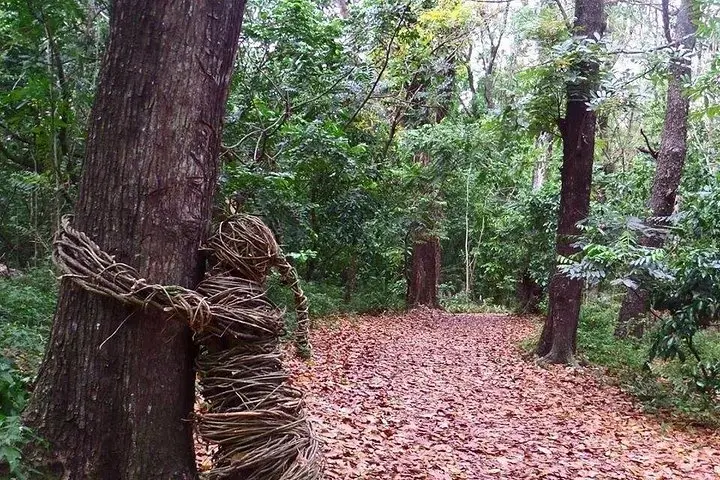
You step out beneath a canopy of tall tropical trees, humidity pressing at your shirt as you follow a narrow track toward bright, shifting sand. The forest gives way and the world opens: a rolling mountain of ochre and white sand that pushes like a living thing toward the sea. That’s the Sigatoka Sand Dunes—Fiji’s only national sand-dune park—and it’s the kind of place that rearranges your sense of scale.
Verified experiences and guided adventures in the surrounding area.
Operated by iconictoursfiji · Sigatoka, Nadroga-Navosa Province
You step out beneath a canopy of tall tropical trees, humidity pressing at your shirt as you follow a narrow track toward bright, shifting sand. The forest gives way and the world opens: a rolling mountain of ochre and white sand that pushes like a living thing toward the sea. That’s the Sigatoka Sand Dunes—Fiji’s only national sand-dune park—and it’s the kind of place that rearranges your sense of scale.
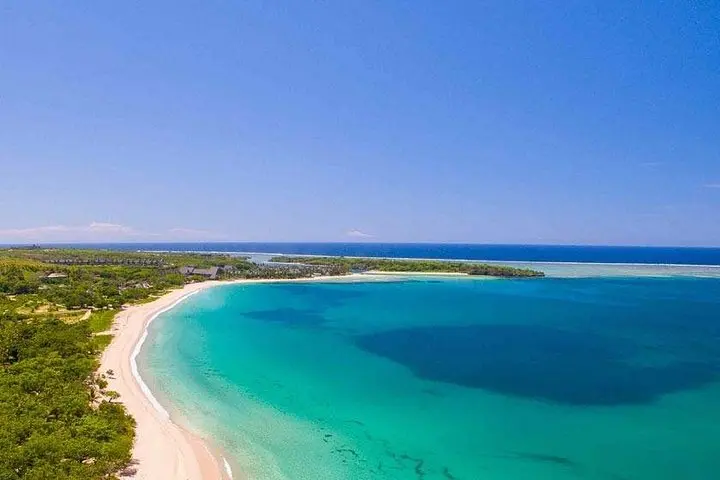
Geology and history are visible here. Winds sweeping up the Sigatoka River valley have piled sand into broad ridges; archaeologists have also identified ancient human sites in the dunes, so you’re walking across both natural and cultural layers. A short transfer down the coast drops you at Natadola Beach, where flat white sand and clear blue water invite a slower pace—swim, snorkel, or watch local riders and crafts along the shore.
Practically: expect 5–6 hours total. The conservation park features roughly 1–3 km of mixed rainforest trail and soft sand slopes; footing becomes loose and tiring on dune ascents and descents. There’s minimal elevation but sustained effort on sand—moderate fitness recommended. Bring sun protection, at least 1–2 liters of water, and footwear that handles both sticky trail mud and hot sand. Mornings and late afternoons are coolest and best for photos; mid-day at Natadola is ideal for swimming when winds are light.
Local guide interpretation often includes brief cultural notes and safe swimming zones at Natadola. Respect marked paths in the dunes—vegetation stabilizes the slopes—and leave no trace to help protect this fragile coastal landscape.
The transfer is roughly 20–40 minutes depending on traffic and the specific pickup location—expect about 30 minutes on average.
Yes—Natadola is known for clear, swimmable water; follow guide guidance on safe swimming zones and watch for current changes.
Basic facilities may be available at the park entrance or visitor area, but services are limited—use them when offered and plan accordingly.
Yes; the Sigatoka Sand Dunes contain archaeological sites and are managed as a protected national park—respect signage and stay on trails.
iconictoursfiji operates guided outdoor trips and adventures with an emphasis on safety, stewardship, and memorable experiences.


You step out beneath a canopy of tall tropical trees, humidity pressing at your shirt as you follow a narrow track toward bright, shifting sand. The forest gives way and the world opens: a rolling mountain of ochre and white sand that pushes like a living thing toward the sea. That’s the Sigatoka Sand Dunes—Fiji’s only national sand-dune park—and it’s the kind of place that rearranges your sense of scale.
You step out beneath a canopy of tall tropical trees, humidity pressing at your shirt as you follow a narrow track toward bright, shifting sand. The forest gives way and the world opens: a rolling mountain of ochre and white sand that pushes like a living thing toward the sea. That’s the Sigatoka Sand Dunes—Fiji’s only national sand-dune park—and it’s the kind of place that rearranges your sense of scale.
Geology and history are visible here. Winds sweeping up the Sigatoka River valley have piled sand into broad ridges; archaeologists have also identified ancient human sites in the dunes, so you’re walking across both natural and cultural layers. A short transfer down the coast drops you at Natadola Beach, where flat white sand and clear blue water invite a slower pace—swim, snorkel, or watch local riders and crafts along the shore.
Practically: expect 5–6 hours total. The conservation park features roughly 1–3 km of mixed rainforest trail and soft sand slopes; footing becomes loose and tiring on dune ascents and descents. There’s minimal elevation but sustained effort on sand—moderate fitness recommended. Bring sun protection, at least 1–2 liters of water, and footwear that handles both sticky trail mud and hot sand. Mornings and late afternoons are coolest and best for photos; mid-day at Natadola is ideal for swimming when winds are light.
Local guide interpretation often includes brief cultural notes and safe swimming zones at Natadola. Respect marked paths in the dunes—vegetation stabilizes the slopes—and leave no trace to help protect this fragile coastal landscape.