THE ADVENTURE COLLECTIVE® · Independent discovery and booking for outdoor travel

Travel east from Tbilisi to Sighnaghi and the Kindzmarauli microzone for a day of hilltop views, centuries‑old monasteries and cellar tastings. This practical guide outlines what to expect—timing, terrain, and tips to make the most of Kakheti’s signature wines.
Travel east from Tbilisi to Sighnaghi and the Kindzmarauli microzone for a day of hilltop views, centuries‑old monasteries and cellar tastings. This practical guide outlines what to expect—timing, terrain, and tips to make the most of Kakheti’s signature wines.
You arrive at a sunlit ridge where the Alazani Valley opens like a page; the town of Sighnaghi perches on its stone walls, the wind through the vineyards nudging ripe grapes toward harvest. The town’s narrow, Italian‑style streets lead to a long defensive wall that rewards every step with wide valley views and the distant silhouette of the Caucasus.
Verified experiences and guided adventures in the surrounding area.
Operated by ushba travel · Sighnaghi, Kakheti
You arrive at a sunlit ridge where the Alazani Valley opens like a page; the town of Sighnaghi perches on its stone walls, the wind through the vineyards nudging ripe grapes toward harvest. The town’s narrow, Italian‑style streets lead to a long defensive wall that rewards every step with wide valley views and the distant silhouette of the Caucasus.
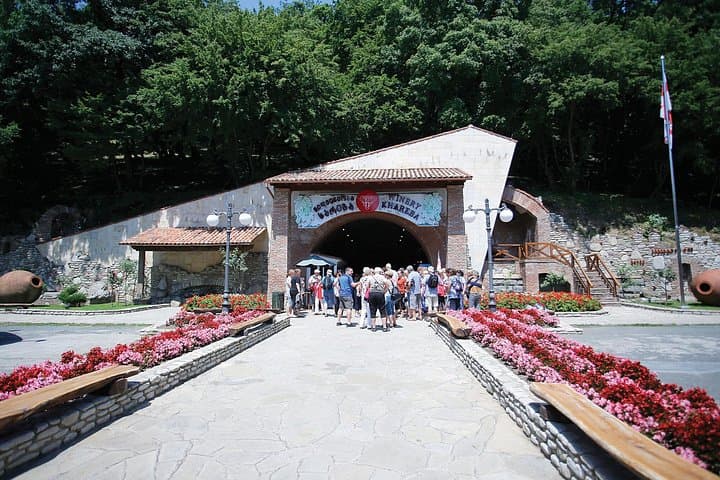
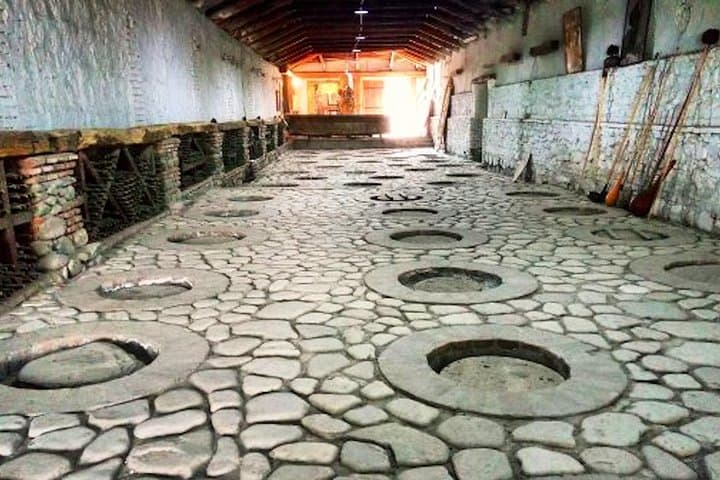
This full‑day route threads cultural and vinicultural history: Bodbe Monastery, where St. Nino’s shrine draws pilgrims to a cool spring; the low, earthen cellar corridors of Kindzmarauli and the Khareba tunnel in nearby Kvareli, where Georgian qvevri traditions meet large, modern cellars. Geologically the Alazani plain is a fertile fluvial basin fed by mountain runoff—sandy loam and river terraces that favor Saperavi and Rkatsiteli vines and produce the sweet semi‑dry Kindzmarauli. Local culture ties food and wine to hospitality: expect long lunches of khachapuri, stewed meats, and churchkhela sweets.
Practicalities: the drive from Tbilisi is about 1.5–2 hours each way (~100–120 km); the day includes moderate walking on cobbles and steps, minimal elevation change on paved roads but some stair climbs at viewpoints and monastery approaches. Bring comfortable walking shoes, sun protection, a light layer for breezy hilltops, and a reusable water bottle—tastings can be generous, but hydration keeps the afternoon clear. Morning departures avoid heat and allow calmer cellar visits; respect vineyard rules, ask before photographing in production areas, and plan for an 11‑hour day with time to savor both views and vintages.
The tour runs about 11 hours total with roughly 1.5–2 hours driving each way depending on traffic; most itineraries include several stops and tastings.
Yes—this tour includes multiple tastings (the provider lists two formal tastings); expect a few small pours at each winery plus a cellar tour.
The day is family‑friendly but involves cobbles and steps; those with limited mobility should check specific accessibility at Bodbe and cellar tunnels before booking.
Yes—most wineries sell bottles on site; confirm customs and transport rules for your country if flying home.
ushba travel operates guided outdoor trips and adventures with an emphasis on safety, stewardship, and memorable experiences.

You arrive at a sunlit ridge where the Alazani Valley opens like a page; the town of Sighnaghi perches on its stone walls, the wind through the vineyards nudging ripe grapes toward harvest. The town’s narrow, Italian‑style streets lead to a long defensive wall that rewards every step with wide valley views and the distant silhouette of the Caucasus.
You arrive at a sunlit ridge where the Alazani Valley opens like a page; the town of Sighnaghi perches on its stone walls, the wind through the vineyards nudging ripe grapes toward harvest. The town’s narrow, Italian‑style streets lead to a long defensive wall that rewards every step with wide valley views and the distant silhouette of the Caucasus.
This full‑day route threads cultural and vinicultural history: Bodbe Monastery, where St. Nino’s shrine draws pilgrims to a cool spring; the low, earthen cellar corridors of Kindzmarauli and the Khareba tunnel in nearby Kvareli, where Georgian qvevri traditions meet large, modern cellars. Geologically the Alazani plain is a fertile fluvial basin fed by mountain runoff—sandy loam and river terraces that favor Saperavi and Rkatsiteli vines and produce the sweet semi‑dry Kindzmarauli. Local culture ties food and wine to hospitality: expect long lunches of khachapuri, stewed meats, and churchkhela sweets.
Practicalities: the drive from Tbilisi is about 1.5–2 hours each way (~100–120 km); the day includes moderate walking on cobbles and steps, minimal elevation change on paved roads but some stair climbs at viewpoints and monastery approaches. Bring comfortable walking shoes, sun protection, a light layer for breezy hilltops, and a reusable water bottle—tastings can be generous, but hydration keeps the afternoon clear. Morning departures avoid heat and allow calmer cellar visits; respect vineyard rules, ask before photographing in production areas, and plan for an 11‑hour day with time to savor both views and vintages.