THE ADVENTURE COLLECTIVE® · Independent discovery and booking for outdoor travel

Climb a 5th-century palace on a monolithic rock and walk through engineered water gardens with the help of a private, small-group transfer from Dambulla. This tour pairs local insight with early starts to beat heat and crowds.
Climb a 5th-century palace on a monolithic rock and walk through engineered water gardens with the help of a private, small-group transfer from Dambulla. This tour pairs local insight with early starts to beat heat and crowds.
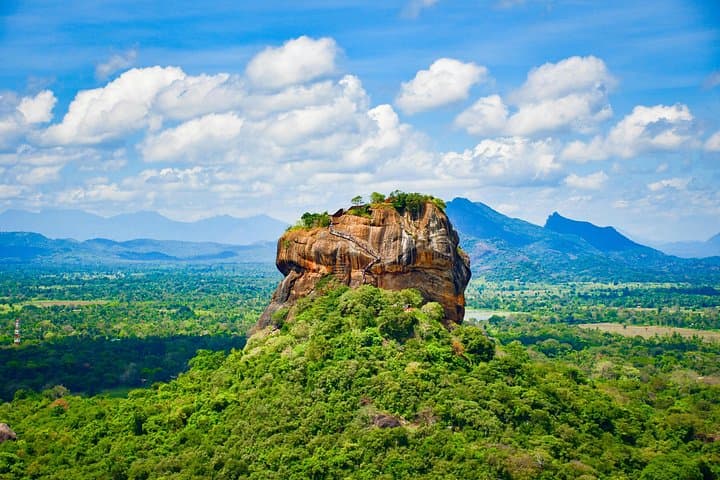
You arrive before the heat builds, the Suzuki Wagon R pulling off a narrow village road as rice paddies glint with morning light. Sigiriya’s squat, lion-shaped monolith rises from emerald plains like an island of stone; its shadow stretches toward you. Your driver-guide folds a map and points to the stair route that zigzags up the face. The air hums with cicadas and the distant chatter of village life — today you trade the baseline of routine for the steady rhythm of climbing stone and history.
Verified experiences and guided adventures in the surrounding area.
Operated by Safa Travels · Sigiriya, Central Province
You arrive before the heat builds, the Suzuki Wagon R pulling off a narrow village road as rice paddies glint with morning light. Sigiriya’s squat, lion-shaped monolith rises from emerald plains like an island of stone; its shadow stretches toward you. Your driver-guide folds a map and points to the stair route that zigzags up the face. The air hums with cicadas and the distant chatter of village life — today you trade the baseline of routine for the steady rhythm of climbing stone and history.
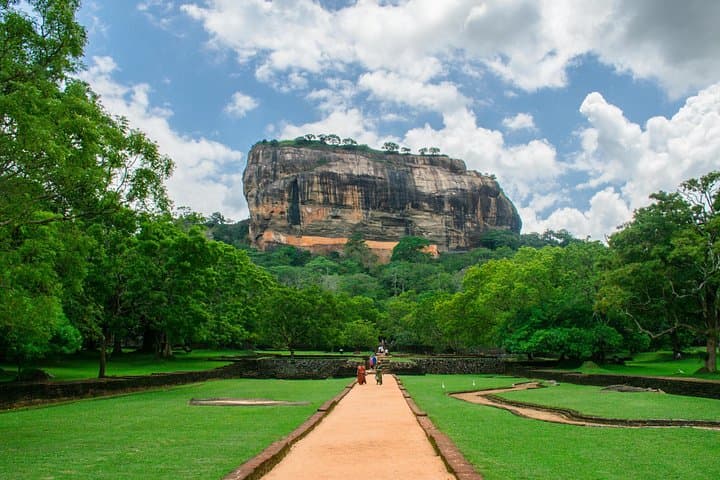
Sigiriya was raised to imperial spectacle by King Kasyapa in the 5th century CE, when the rock became both palace and fortress. Engineers turned the base into sophisticated water gardens and channels that still drain after rains. Geologically it’s a hardened granite outcrop, a stubby volcanic plug weathered into sheer faces and natural boulders. Frescoes of celestial maidens and the polished Mirror Wall — once so smooth the king could see his reflection — hold up a gallery of human stories: courtly life, devotion, and graffiti left by pilgrims across the centuries.
Culturally, Sigiriya sits at the intersection of ancient monarchy and rural village life. Locals still harvest rice in fields that stretch out from the rock’s base; morning markets in Dambulla and nearby towns sell jackfruit, coconut roti, and the strong black tea that fuels climbs. The tourism model here is intimate: this private, small-group transfer keeps the experience personal and nimble, letting you arrive early and avoid midday crowds.
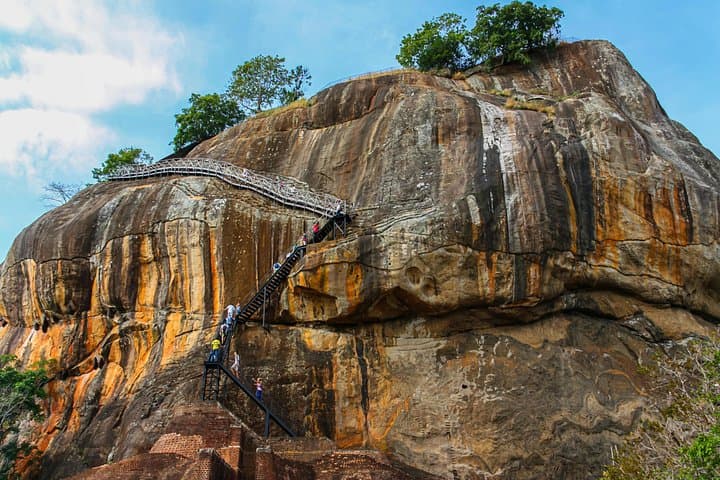
Practical guidance matters: tickets for the fortress are purchased on-site at the official booth; bring cash or card and plan for security checks. The route to the summit involves roughly 200 meters of elevation and about 1,200 steps — stone stairways, metal galleries, and narrow ledges that demand sure footing and steady nerves. Start early (before 9 a.m.) to dodge heat and afternoon storms, carry 2 liters of water, sun protection, and a small daypack. The operator provides round-trip transfer from Dambulla with pickup typically between 8:30–9:00 a.m.; confirm your hotel pickup point when booking.
Safety notes: the climb is steep and not recommended for those with spinal, heart, or pregnancy restrictions. Wear grippy shoes: the Mirror Wall and steps can be slick after rain. Allow 2–4 hours on-site to see Water Gardens, Boulder Gardens, the frescoes, Mirror Wall, lion paws and summit ruins at a pace that gives space for photos and reflection.
When done, the ride back slides past coconut palms and buffalo under mango trees; the rock recedes, but the stories you carried up will stick with you — etched like the ancient script on the Mirror Wall.
No — tickets for Sigiriya Rock Fortress must be bought on-site at the official ticket booth before entry.
Pickup is typically between 8:30 and 9:00 a.m.; confirm your exact hotel or meeting point when booking.
Not recommended for very young children, pregnant travelers, or those with serious spinal or heart conditions due to steep climbs and metal stair sections.
Allow 2–4 hours on-site depending on your pace, time spent at frescoes, and breaks; total tour time including transfer is 6–8 hours.
A small daypack is fine; large backpacks can be cumbersome on narrow stairways and are discouraged.
Basic refreshments and bottled water are sold near the entrance and parking area; bring your own for convenience on the climb.
Safa Travels operates guided outdoor trips and adventures with an emphasis on safety, stewardship, and memorable experiences.
You arrive before the heat builds, the Suzuki Wagon R pulling off a narrow village road as rice paddies glint with morning light. Sigiriya’s squat, lion-shaped monolith rises from emerald plains like an island of stone; its shadow stretches toward you. Your driver-guide folds a map and points to the stair route that zigzags up the face. The air hums with cicadas and the distant chatter of village life — today you trade the baseline of routine for the steady rhythm of climbing stone and history.
You arrive before the heat builds, the Suzuki Wagon R pulling off a narrow village road as rice paddies glint with morning light. Sigiriya’s squat, lion-shaped monolith rises from emerald plains like an island of stone; its shadow stretches toward you. Your driver-guide folds a map and points to the stair route that zigzags up the face. The air hums with cicadas and the distant chatter of village life — today you trade the baseline of routine for the steady rhythm of climbing stone and history.
Sigiriya was raised to imperial spectacle by King Kasyapa in the 5th century CE, when the rock became both palace and fortress. Engineers turned the base into sophisticated water gardens and channels that still drain after rains. Geologically it’s a hardened granite outcrop, a stubby volcanic plug weathered into sheer faces and natural boulders. Frescoes of celestial maidens and the polished Mirror Wall — once so smooth the king could see his reflection — hold up a gallery of human stories: courtly life, devotion, and graffiti left by pilgrims across the centuries.
Culturally, Sigiriya sits at the intersection of ancient monarchy and rural village life. Locals still harvest rice in fields that stretch out from the rock’s base; morning markets in Dambulla and nearby towns sell jackfruit, coconut roti, and the strong black tea that fuels climbs. The tourism model here is intimate: this private, small-group transfer keeps the experience personal and nimble, letting you arrive early and avoid midday crowds.
Practical guidance matters: tickets for the fortress are purchased on-site at the official booth; bring cash or card and plan for security checks. The route to the summit involves roughly 200 meters of elevation and about 1,200 steps — stone stairways, metal galleries, and narrow ledges that demand sure footing and steady nerves. Start early (before 9 a.m.) to dodge heat and afternoon storms, carry 2 liters of water, sun protection, and a small daypack. The operator provides round-trip transfer from Dambulla with pickup typically between 8:30–9:00 a.m.; confirm your hotel pickup point when booking.
Safety notes: the climb is steep and not recommended for those with spinal, heart, or pregnancy restrictions. Wear grippy shoes: the Mirror Wall and steps can be slick after rain. Allow 2–4 hours on-site to see Water Gardens, Boulder Gardens, the frescoes, Mirror Wall, lion paws and summit ruins at a pace that gives space for photos and reflection.
When done, the ride back slides past coconut palms and buffalo under mango trees; the rock recedes, but the stories you carried up will stick with you — etched like the ancient script on the Mirror Wall.