THE ADVENTURE COLLECTIVE® · Independent discovery and booking for outdoor travel

Spend a long day climbing the iconic Lion Rock at Sigiriya, wandering the painted caverns of Dambulla’s Golden Temple, and taking in a panoramic ridge at Pidurangala. This private guided tour packs geology, history, and practical travel tips into one accessible itinerary.
Spend a long day climbing the iconic Lion Rock at Sigiriya, wandering the painted caverns of Dambulla’s Golden Temple, and taking in a panoramic ridge at Pidurangala. This private guided tour packs geology, history, and practical travel tips into one accessible itinerary.
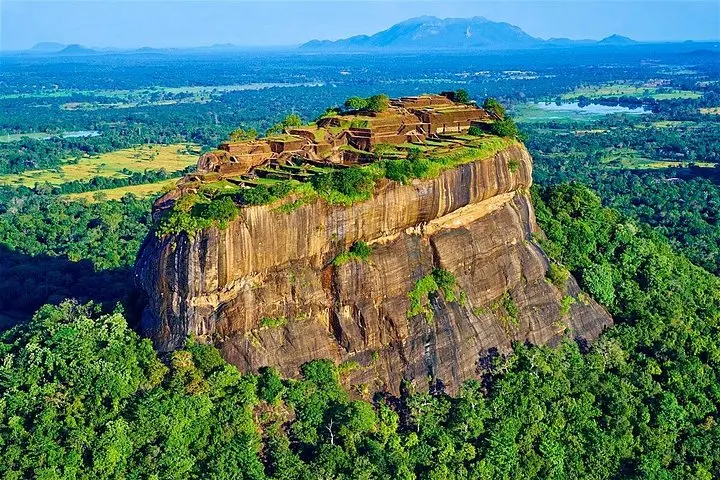
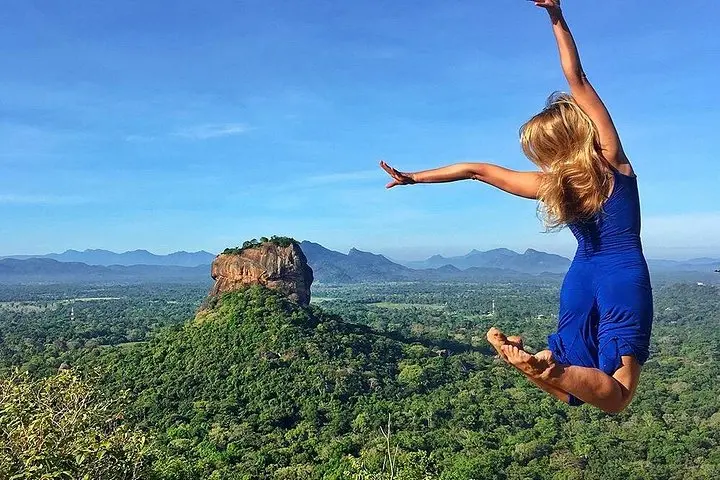
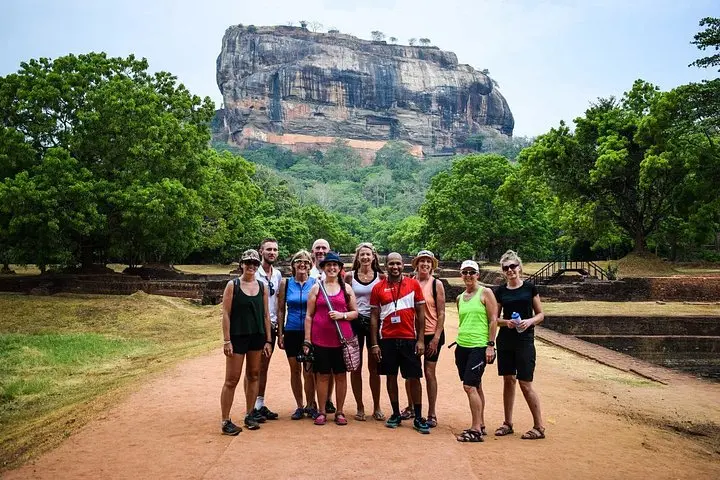
You step out of the air‑conditioned van into a humid, sun-washed plain and the first thing you notice is the rock: a squat, stubborn column of stone rising from rice paddies and scrub, its summit crowned with ruined walls. That is Sigiriya — Lion Rock — and it dominates the morning, daring you to climb. The day that follows pulls you through a sequence of human-made landscapes: frescoed staircases carved into cliffs, a centuries‑old cave that houses Buddha after Buddha, and a quieter neighboring crag where Pidurangala offers a raw, wind-swept vantage of the fortress across the valley.
Verified experiences and guided adventures in the surrounding area.
Operated by Take Me Sri Lanka · Sigiriya, Central Province
You step out of the air‑conditioned van into a humid, sun-washed plain and the first thing you notice is the rock: a squat, stubborn column of stone rising from rice paddies and scrub, its summit crowned with ruined walls. That is Sigiriya — Lion Rock — and it dominates the morning, daring you to climb. The day that follows pulls you through a sequence of human-made landscapes: frescoed staircases carved into cliffs, a centuries‑old cave that houses Buddha after Buddha, and a quieter neighboring crag where Pidurangala offers a raw, wind-swept vantage of the fortress across the valley.
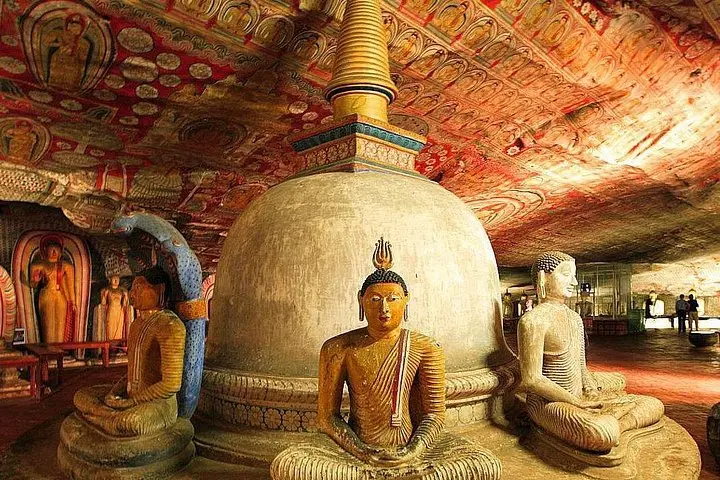
The itinerary threads history and geology. Sigiriya is an ancient fortified palace built by King Kassapa in the 5th century CE atop a rhyolite plug — a hard volcanic remnant the landscape has left standing while softer rock eroded away. The climb delivers you past mirrored terraces, the famous fresco gallery, and the lion’s paws that once framed a cavernous entrance. Dambulla’s Rock Temple is older still: carved and adorned from the 1st century BCE, its painted caverns preserve Chandella-era art and a bank of reclining and standing Buddha statues that map Sri Lanka’s long Buddhist traditions.
Culture here is tactile: vendors selling jaggery and coconut roti at trailheads, temple keepers arranging offerings, and local guides whose knowledge stitches myth to monument. Pidurangala, a short walk from Sigiriya, is less formal — a cluster of boulders and monastery ruins that gives you the panorama without the crowds.
Practical guidance: the full day runs roughly 10–12 hours door‑to‑door, with a 2‑hour focused exploration at Sigiriya and about an hour inside Dambulla. Wear sturdy, broken‑in footwear — the final pitches at Sigiriya are steep with narrow steps and metal railings. Bring at least 1.5–2 liters of water, a hat, and sunscreen; bottled water and snacks are usually supplied, but carry extra if you sweat heavily. Start early: rising at 8 a.m. optimizes light for photos and avoids the midday heat. Respect temple rules — shoulders and legs covered, shoes removed, cameras used when allowed.
Logistics: this private tour typically includes transport, bottled water, snacks, and a verified guide who can answer historical and cultural questions. Expect moderate fitness demands — repeated stair climbs and uneven stone surfaces. If you’re chasing photographs, plan for dawn at Pidurangala or late afternoon at Sigiriya for softer light and fewer visitors.
Why go? In a single long day you’ll move from prehistoric geology to royal ambition and devotional practice — a compact map of Sri Lanka’s central plains, where rock and ritual keep pulling travelers upward.
From Dambulla it's typically 20–30 minutes; from Kandy expect roughly 1.5–2 hours depending on traffic.
This tour lists admissions as not included — bring cash or card for entry to Sigiriya and Dambulla unless your booking specifies otherwise.
Children who are steady on stairs and comfortable with heights can do it, but supervise them closely on exposed sections.
No — Dambulla requires modest dress. Bring a sarong or long scarf to cover legs and shoulders before entering.
Sigiriya can be busy in high season; early morning and late afternoon are quieter. Private tours often time arrivals to avoid peak crowds.
Tipping is customary if service meets expectations; a small cash tip for guide and driver is appreciated and common.
Take Me Sri Lanka operates guided outdoor trips and adventures with an emphasis on safety, stewardship, and memorable experiences.
You step out of the air‑conditioned van into a humid, sun-washed plain and the first thing you notice is the rock: a squat, stubborn column of stone rising from rice paddies and scrub, its summit crowned with ruined walls. That is Sigiriya — Lion Rock — and it dominates the morning, daring you to climb. The day that follows pulls you through a sequence of human-made landscapes: frescoed staircases carved into cliffs, a centuries‑old cave that houses Buddha after Buddha, and a quieter neighboring crag where Pidurangala offers a raw, wind-swept vantage of the fortress across the valley.
You step out of the air‑conditioned van into a humid, sun-washed plain and the first thing you notice is the rock: a squat, stubborn column of stone rising from rice paddies and scrub, its summit crowned with ruined walls. That is Sigiriya — Lion Rock — and it dominates the morning, daring you to climb. The day that follows pulls you through a sequence of human-made landscapes: frescoed staircases carved into cliffs, a centuries‑old cave that houses Buddha after Buddha, and a quieter neighboring crag where Pidurangala offers a raw, wind-swept vantage of the fortress across the valley.
The itinerary threads history and geology. Sigiriya is an ancient fortified palace built by King Kassapa in the 5th century CE atop a rhyolite plug — a hard volcanic remnant the landscape has left standing while softer rock eroded away. The climb delivers you past mirrored terraces, the famous fresco gallery, and the lion’s paws that once framed a cavernous entrance. Dambulla’s Rock Temple is older still: carved and adorned from the 1st century BCE, its painted caverns preserve Chandella-era art and a bank of reclining and standing Buddha statues that map Sri Lanka’s long Buddhist traditions.
Culture here is tactile: vendors selling jaggery and coconut roti at trailheads, temple keepers arranging offerings, and local guides whose knowledge stitches myth to monument. Pidurangala, a short walk from Sigiriya, is less formal — a cluster of boulders and monastery ruins that gives you the panorama without the crowds.
Practical guidance: the full day runs roughly 10–12 hours door‑to‑door, with a 2‑hour focused exploration at Sigiriya and about an hour inside Dambulla. Wear sturdy, broken‑in footwear — the final pitches at Sigiriya are steep with narrow steps and metal railings. Bring at least 1.5–2 liters of water, a hat, and sunscreen; bottled water and snacks are usually supplied, but carry extra if you sweat heavily. Start early: rising at 8 a.m. optimizes light for photos and avoids the midday heat. Respect temple rules — shoulders and legs covered, shoes removed, cameras used when allowed.
Logistics: this private tour typically includes transport, bottled water, snacks, and a verified guide who can answer historical and cultural questions. Expect moderate fitness demands — repeated stair climbs and uneven stone surfaces. If you’re chasing photographs, plan for dawn at Pidurangala or late afternoon at Sigiriya for softer light and fewer visitors.
Why go? In a single long day you’ll move from prehistoric geology to royal ambition and devotional practice — a compact map of Sri Lanka’s central plains, where rock and ritual keep pulling travelers upward.