THE ADVENTURE COLLECTIVE® · Independent discovery and booking for outdoor travel

Scale the famed Lion Rock at Sigiriya and step into the painted, gold-flecked caverns of Dambulla on a single, well-paced day tour from Colombo. Expect engineered waterworks, ancient frescoes, steep staircases and a guide who times visits to avoid the crowds.
Scale the famed Lion Rock at Sigiriya and step into the painted, gold-flecked caverns of Dambulla on a single, well-paced day tour from Colombo. Expect engineered waterworks, ancient frescoes, steep staircases and a guide who times visits to avoid the crowds.
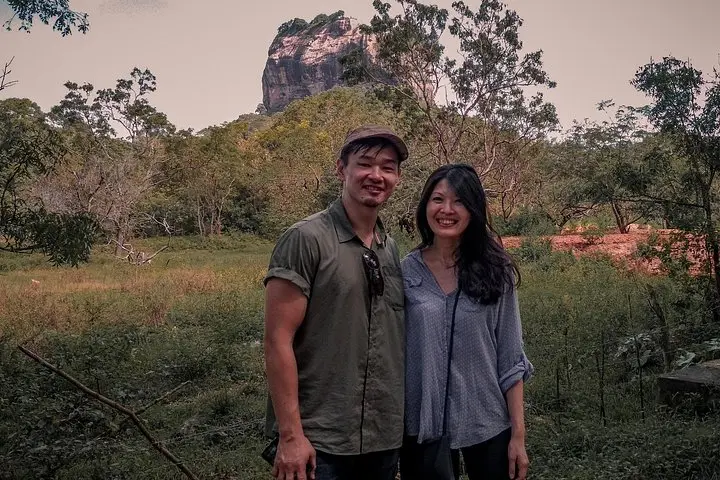
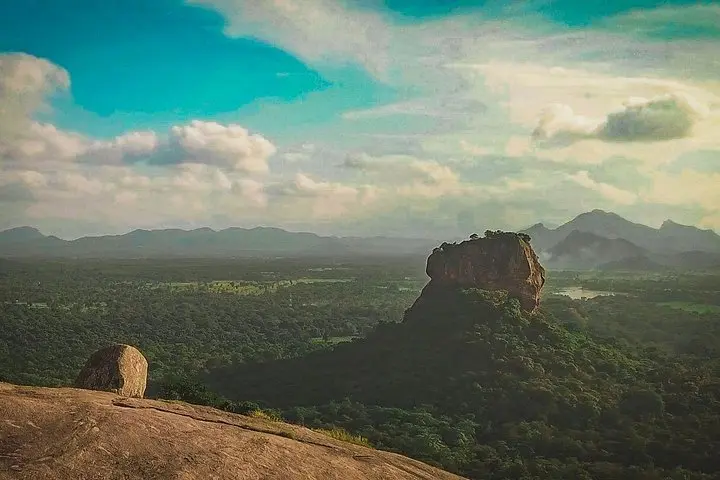
You arrive before the heat gathers: a quiet road, a driver who knows which side streets keep you ahead of the buses, and a pale blue sky that promises both sun and sweat. The first view of Sigiriya is sudden — a monolith rising like an island of stone from the jungle. It commands attention: a vertical empire of carved stairs, echoing chambers and plastered frescoes half-hidden under lichen. Later, in the painted dusk of Dambulla's caves, gold-leaf Buddhas stare calmly down, windows of rock framing distant paddy fields.
Verified experiences and guided adventures in the surrounding area.
Operated by Belkin Tales Holidays · Dambulla, Central Province
You arrive before the heat gathers: a quiet road, a driver who knows which side streets keep you ahead of the buses, and a pale blue sky that promises both sun and sweat. The first view of Sigiriya is sudden — a monolith rising like an island of stone from the jungle. It commands attention: a vertical empire of carved stairs, echoing chambers and plastered frescoes half-hidden under lichen. Later, in the painted dusk of Dambulla's caves, gold-leaf Buddhas stare calmly down, windows of rock framing distant paddy fields.
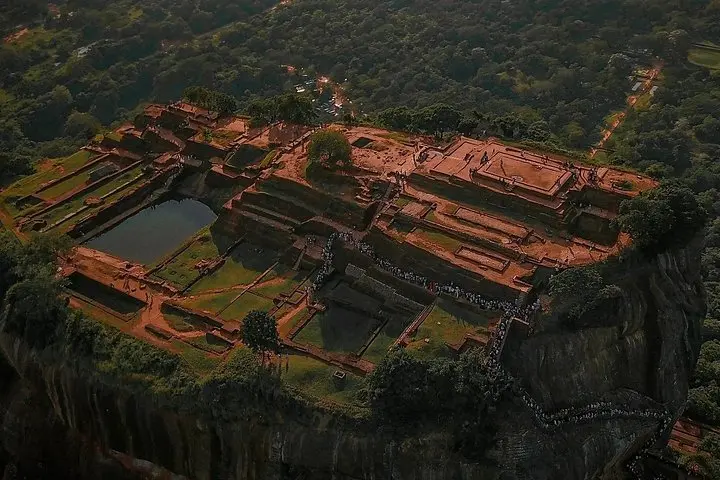
Sigiriya and Dambulla are the physical pages of Sri Lanka's long story. Sigiriya, a 5th-century royal citadel, was stripped into terraces, gardens and an upper palace where engineers routed water to fountains and bathing pools high above the plain. Its mirror wall preserves names and verses scratched by pilgrims centuries ago; the remaining frescoes are pigments still clinging to wet plaster. Dambulla’s cave temple complex, occupied and embellished since the 1st century BCE, holds five caverns of painted ceilings, tall Buddha statues and ritual niches — a cathedral hewn from volcanic rock almost 350 feet above the valley.
Geologically, the two sites are the survivors of ancient uplift and erosion: isolated outcrops of Precambrian gneiss and granite that weathered into the steep faces you now ascend. Culturally, both places underscore the island’s Buddhist heritage and the artistry of Sinhalese sculpture and mural painting.
On the ground, the day tour is deliberate and practical: air-conditioned private transport from Colombo or Negombo, buffet lunch in Dambulla, and an English-speaking chauffeur-guide who times visits to avoid the midday crush. The Sigiriya climb involves roughly 1,200 steps, metal staircases and narrow ledges — expect warm, humid conditions and occasional crowds near the summit. At Dambulla, the cave floors are cool and dim, and shoes must be removed inside the sanctified spaces.
Planning notes: start early to catch morning light on Sigiriya and cooler air on the ascent; hydrate and pace yourself on the stair sections; carry small denominations of local currency for souvenirs and donations. Respect temple rules: modest dress, no shoes inside caves, and quiet reverence around statues.
This day pairs high, panoramic exposure with contemplative cave interiors — two very different ways that stone has shaped Sri Lanka’s history. Whether you want roof-top views over rice paddies or the hush of gold-painted caverns, the tour delivers both in a single, well-paced day.
Expect a 10–12 hour day including pickup and return to Colombo or Negombo, transport time, site visits and lunch.
It’s a steep climb with about 1,200 steps including metal stair sections; people in moderate fitness who pace themselves can complete it.
Yes; the tour includes admission to Sigiriya Rock Fortress and Dambulla Cave Temple as stated in the inclusions.
Yes — shoes and hats must be removed before entering the cave shrines as they are active places of worship.
Yes — the tour offers hotel pickup from Colombo and Negombo hotels; confirm your pickup point when booking.
Dry season months (December to April) are generally most comfortable for climbing Sigiriya and seeing clear views; mornings are best to avoid heat and crowds.
Belkin Tales Holidays operates guided outdoor trips and adventures with an emphasis on safety, stewardship, and memorable experiences.
You arrive before the heat gathers: a quiet road, a driver who knows which side streets keep you ahead of the buses, and a pale blue sky that promises both sun and sweat. The first view of Sigiriya is sudden — a monolith rising like an island of stone from the jungle. It commands attention: a vertical empire of carved stairs, echoing chambers and plastered frescoes half-hidden under lichen. Later, in the painted dusk of Dambulla's caves, gold-leaf Buddhas stare calmly down, windows of rock framing distant paddy fields.
You arrive before the heat gathers: a quiet road, a driver who knows which side streets keep you ahead of the buses, and a pale blue sky that promises both sun and sweat. The first view of Sigiriya is sudden — a monolith rising like an island of stone from the jungle. It commands attention: a vertical empire of carved stairs, echoing chambers and plastered frescoes half-hidden under lichen. Later, in the painted dusk of Dambulla's caves, gold-leaf Buddhas stare calmly down, windows of rock framing distant paddy fields.
Sigiriya and Dambulla are the physical pages of Sri Lanka's long story. Sigiriya, a 5th-century royal citadel, was stripped into terraces, gardens and an upper palace where engineers routed water to fountains and bathing pools high above the plain. Its mirror wall preserves names and verses scratched by pilgrims centuries ago; the remaining frescoes are pigments still clinging to wet plaster. Dambulla’s cave temple complex, occupied and embellished since the 1st century BCE, holds five caverns of painted ceilings, tall Buddha statues and ritual niches — a cathedral hewn from volcanic rock almost 350 feet above the valley.
Geologically, the two sites are the survivors of ancient uplift and erosion: isolated outcrops of Precambrian gneiss and granite that weathered into the steep faces you now ascend. Culturally, both places underscore the island’s Buddhist heritage and the artistry of Sinhalese sculpture and mural painting.
On the ground, the day tour is deliberate and practical: air-conditioned private transport from Colombo or Negombo, buffet lunch in Dambulla, and an English-speaking chauffeur-guide who times visits to avoid the midday crush. The Sigiriya climb involves roughly 1,200 steps, metal staircases and narrow ledges — expect warm, humid conditions and occasional crowds near the summit. At Dambulla, the cave floors are cool and dim, and shoes must be removed inside the sanctified spaces.
Planning notes: start early to catch morning light on Sigiriya and cooler air on the ascent; hydrate and pace yourself on the stair sections; carry small denominations of local currency for souvenirs and donations. Respect temple rules: modest dress, no shoes inside caves, and quiet reverence around statues.
This day pairs high, panoramic exposure with contemplative cave interiors — two very different ways that stone has shaped Sri Lanka’s history. Whether you want roof-top views over rice paddies or the hush of gold-painted caverns, the tour delivers both in a single, well-paced day.