THE ADVENTURE COLLECTIVE® · Independent discovery and booking for outdoor travel

Take a private day trip from Kandy to two of Sri Lanka’s UNESCO sites—Sigiriya’s dramatic rock fortress and the painted caves of Dambulla. Expect a 10–12 hour culture-packed day with climbs, caves, and spice-scented roadside stops.
Take a private day trip from Kandy to two of Sri Lanka’s UNESCO sites—Sigiriya’s dramatic rock fortress and the painted caves of Dambulla. Expect a 10–12 hour culture-packed day with climbs, caves, and spice-scented roadside stops.
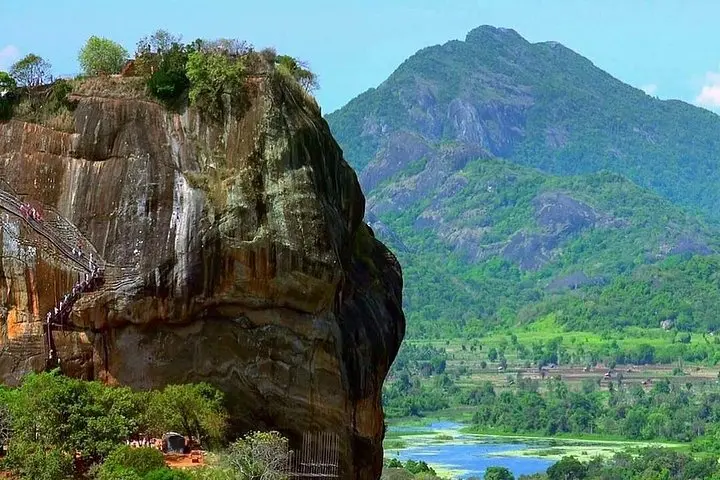
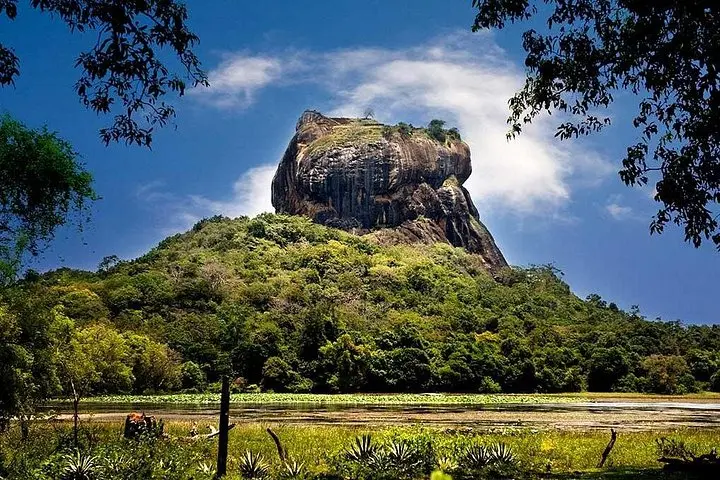
You step into the humid morning air of central Sri Lanka before dawn, the driver threading a private vehicle through tea-covered hills toward a bronze lump of rock that rises from the plain like a deliberate challenge. Sigiriya—the Lion Rock—dominates the landscape: a 200‑metre tall slab of ancient masonry and engineered gardens that daringly forces you to change pace from passenger to climber.
Verified experiences and guided adventures in the surrounding area.
Operated by Travel Sri Lanka · Sigiriya, Central Province
You step into the humid morning air of central Sri Lanka before dawn, the driver threading a private vehicle through tea-covered hills toward a bronze lump of rock that rises from the plain like a deliberate challenge. Sigiriya—the Lion Rock—dominates the landscape: a 200‑metre tall slab of ancient masonry and engineered gardens that daringly forces you to change pace from passenger to climber.
The day unfolds as two separate eras of Sri Lanka’s past. Sigiriya, built in the 5th century CE by King Kasyapa, is an early example of landscape architecture—water gardens, terraced pathways and mirror-like pools designed to cool and impress. The climb requires steady legs: steep staircases, iron walkways and roughly 200–250 metres of vertical gain, taking most visitors 60–90 minutes round trip depending on stops. Half the attraction is the ascent itself—fresco panels tucked into shaded niches, a narrow gallery of stepped terraces and, higher up, the curving jaws of the lion’s platform where the last stretch tightens into a vertigo-inducing ladder.
A short drive away sits Dambulla, where the cave temple complex has been an active pilgrimage site for more than two millennia. Five sanctuaries open onto a series of painted walls that cover some 2,100 square metres; 157 statues of the Buddha and attendant figures occupy dim chambers whose polished floors and cool stone offer a counterpoint to the exposed summit of Sigiriya.
Culturally, the route passes through Matale’s vibrant Hindu temples—gopurams that pulse with color and carved stories—and markets where spice vendors weigh turmeric and cardamom on brass scales. Geologically, the region is a relic of hard igneous intrusions and erosion: Sigiriya is the resilient heart left behind after softer rock wore away.
Practicalities: this is a full day—expect a 10–12 hour outing including about 2.5–3 hours drive each way from Kandy, and short transfers between sites. Admission fees are not included, and while bottled water and a driver/guide are provided, wear sturdy walking shoes, bring sun protection, and be prepared for steep metal steps at Sigiriya and slippery cave floors at Dambulla.
Timing matters—arrive early at Sigiriya to avoid the heat and the crowds; visit Dambulla in the afternoon when cave shadows enhance the murals. Travelers with back or heart problems, or who are pregnant, should avoid the climb. Respect the sites: no touching frescoes, remove shoes and keep voices low in temple spaces. With a private vehicle and guide, the route is efficient—one long, culturally dense day that reads like two distinct chapters of Sri Lanka’s story.
Plan on roughly 2.5–3 hours each way depending on traffic; the full itinerary is a 10–12 hour day including site visits and transfers.
No—admission to Sigiriya and Dambulla is not included in the tour price; bring local currency or check card options at ticket counters.
Children can do the climb if supervised and fit for stair climbs; steep sections and heights may be challenging—consider comfort with exposure and stamina.
Most private transfers allow storing small bags in the vehicle for the day; confirm with your operator if you have larger luggage.
There are roadside restaurants and small eateries near both sites; the tour may include a lunch stop but confirm meal arrangements with the guide.
Photography rules vary by chamber—some areas permit non-flash photos while others restrict images; follow signs and the guide’s directions.
Travel Sri Lanka operates guided outdoor trips and adventures with an emphasis on safety, stewardship, and memorable experiences.


You step into the humid morning air of central Sri Lanka before dawn, the driver threading a private vehicle through tea-covered hills toward a bronze lump of rock that rises from the plain like a deliberate challenge. Sigiriya—the Lion Rock—dominates the landscape: a 200‑metre tall slab of ancient masonry and engineered gardens that daringly forces you to change pace from passenger to climber.
You step into the humid morning air of central Sri Lanka before dawn, the driver threading a private vehicle through tea-covered hills toward a bronze lump of rock that rises from the plain like a deliberate challenge. Sigiriya—the Lion Rock—dominates the landscape: a 200‑metre tall slab of ancient masonry and engineered gardens that daringly forces you to change pace from passenger to climber.
The day unfolds as two separate eras of Sri Lanka’s past. Sigiriya, built in the 5th century CE by King Kasyapa, is an early example of landscape architecture—water gardens, terraced pathways and mirror-like pools designed to cool and impress. The climb requires steady legs: steep staircases, iron walkways and roughly 200–250 metres of vertical gain, taking most visitors 60–90 minutes round trip depending on stops. Half the attraction is the ascent itself—fresco panels tucked into shaded niches, a narrow gallery of stepped terraces and, higher up, the curving jaws of the lion’s platform where the last stretch tightens into a vertigo-inducing ladder.
A short drive away sits Dambulla, where the cave temple complex has been an active pilgrimage site for more than two millennia. Five sanctuaries open onto a series of painted walls that cover some 2,100 square metres; 157 statues of the Buddha and attendant figures occupy dim chambers whose polished floors and cool stone offer a counterpoint to the exposed summit of Sigiriya.
Culturally, the route passes through Matale’s vibrant Hindu temples—gopurams that pulse with color and carved stories—and markets where spice vendors weigh turmeric and cardamom on brass scales. Geologically, the region is a relic of hard igneous intrusions and erosion: Sigiriya is the resilient heart left behind after softer rock wore away.
Practicalities: this is a full day—expect a 10–12 hour outing including about 2.5–3 hours drive each way from Kandy, and short transfers between sites. Admission fees are not included, and while bottled water and a driver/guide are provided, wear sturdy walking shoes, bring sun protection, and be prepared for steep metal steps at Sigiriya and slippery cave floors at Dambulla.
Timing matters—arrive early at Sigiriya to avoid the heat and the crowds; visit Dambulla in the afternoon when cave shadows enhance the murals. Travelers with back or heart problems, or who are pregnant, should avoid the climb. Respect the sites: no touching frescoes, remove shoes and keep voices low in temple spaces. With a private vehicle and guide, the route is efficient—one long, culturally dense day that reads like two distinct chapters of Sri Lanka’s story.