THE ADVENTURE COLLECTIVE® · Independent discovery and booking for outdoor travel

A long, enriching day through Sri Lanka’s Cultural Triangle: descend into the painted caverns of Dambulla and climb the sheer face of Sigiriya’s Lion Rock. This all‑inclusive tour from Trincomalee pairs archaeology and panorama with practical logistics handled for you.
A long, enriching day through Sri Lanka’s Cultural Triangle: descend into the painted caverns of Dambulla and climb the sheer face of Sigiriya’s Lion Rock. This all‑inclusive tour from Trincomalee pairs archaeology and panorama with practical logistics handled for you.
The bus pulls away from Trincomalee before sunrise, headlights cutting a ribbon through rice paddies and coconut groves as the coast gives way to the low central plains. You feel the day stretching long and deliberate—three hours of road, then cave shadows and a column of granite that seems to rise from another era. This is a full-day loop through Sri Lanka’s Cultural Triangle: the painted chambers of Dambulla Cave Temple and the sheer ascent of Sigiriya, King Kasyapa’s fifth-century rock fortress.
Verified experiences and guided adventures in the surrounding area.
Operated by Classical Lanka Tours · Sigiriya, Central Province
The bus pulls away from Trincomalee before sunrise, headlights cutting a ribbon through rice paddies and coconut groves as the coast gives way to the low central plains. You feel the day stretching long and deliberate—three hours of road, then cave shadows and a column of granite that seems to rise from another era. This is a full-day loop through Sri Lanka’s Cultural Triangle: the painted chambers of Dambulla Cave Temple and the sheer ascent of Sigiriya, King Kasyapa’s fifth-century rock fortress.
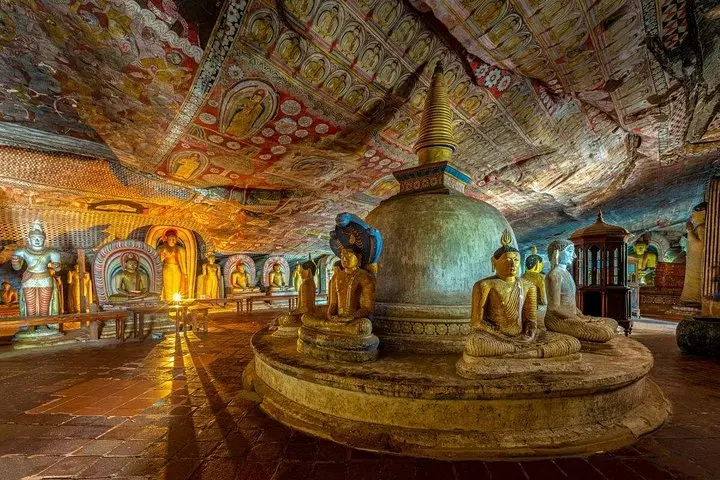
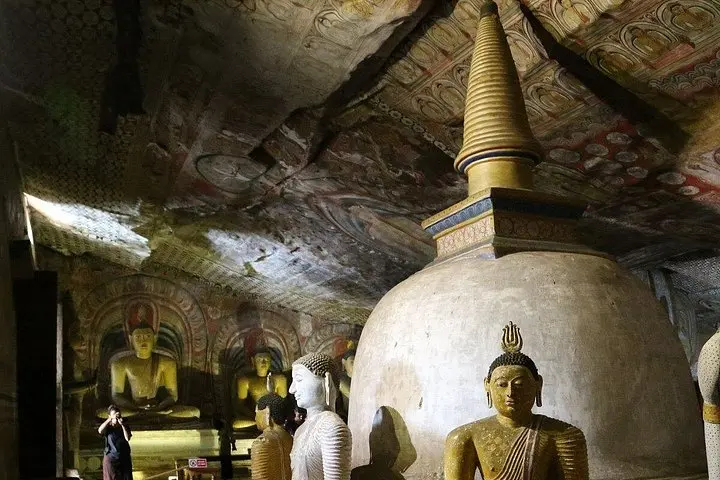
At Dambulla, the caves don’t whisper—they hold a steady, practiced silence. Murals cloak the rock in ochre and lapis, and Buddha statues sit with the calm of centuries. The cave complex is carved into a basalt outcrop and preserves a continuity of devotional art from the first century BCE through later medieval renovations. Your guide will point out stylistic layers in the murals and explain how pilgrim routes shaped the site.
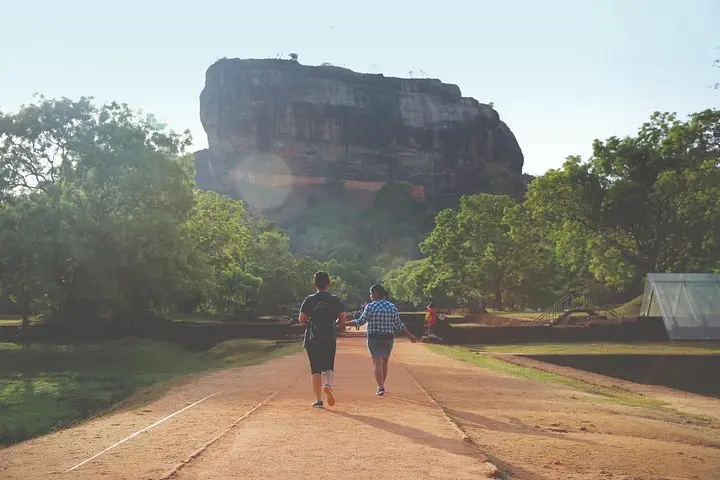
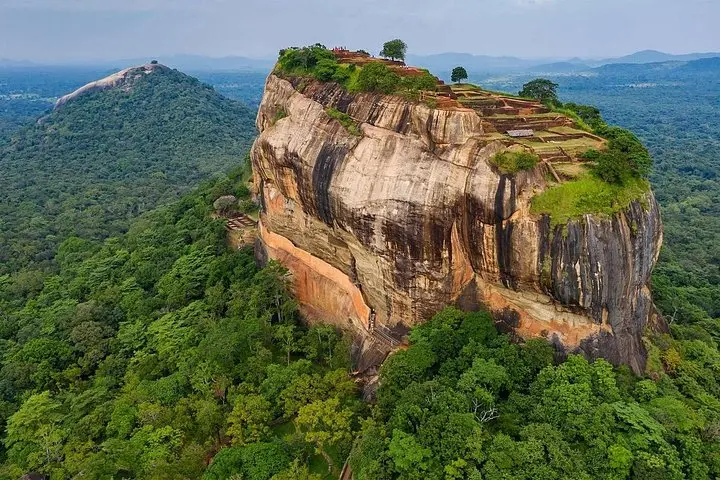
Sigiriya, by contrast, is theatrical. A solitary granite spine—about 180 meters high—surfaces from an ancient volcanic plug; hydraulic gardens and moats mark the palace complex below. Metal stairways hug the cliff, galleries framing fresco panels that survived monsoon winds and human hands. At the top, the plateau opens into panoramic plains and the geometric layout of the royal water gardens, engineered for defense and spectacle.
The day is a study in endurance and context: long road time, archaeological interpretation, and a climb that rewards breath and effort with commanding views. The tour bundles museum and entry fees, a stop at a traditional woodcarving center and a gem house, plus bottled water and an air-conditioned vehicle—useful when humidity pushes the thermometer upward.
Practical edge: start early, hydrate aggressively, and set a steady cadence on the staircases—some sections are steep and exposed. Dress respectfully for Dambulla (shoulders and knees covered) and remove shoes before entering sacred spaces. Bring cash for small purchases and tips; the cultural sites limit touching and photography in select chambers, so follow the signage.
This itinerary is ideal for travelers based in Trincomalee who want a single-day immersion into central Sri Lanka’s layered history. Expect a long day—roughly 12–14 hours on the road and at the sites—but also compacted cultural returns: frescoes, stupa-lined caves, craftsmanship demonstrations, and a summit that measures what human ambition looks like when it turns a rock into a capital.
The tour runs roughly 12–14 hours depending on traffic and time spent at each site; expect to return to Trincomalee in the evening.
Yes—entry to Sigiriya Rock Fortress, Dambulla Cave Temple, the Sigiriya Museum and other listed stops is included in the tour price.
The climb includes steep steps and exposed stairways; children and older travelers with limited mobility should assess comfort with heights and sustained stair climbing.
Bottled water is included; the itinerary may include lunch stops or local restaurants but confirm specific meal arrangements when booking.
Photography is allowed in many exterior areas but restricted in certain shrine rooms at Dambulla—follow signage and guide instructions to protect the murals.
Yes—the operator offers hotel pickup across Trincomalee; confirm your exact pickup point when booking.
Classical Lanka Tours operates guided outdoor trips and adventures with an emphasis on safety, stewardship, and memorable experiences.
The bus pulls away from Trincomalee before sunrise, headlights cutting a ribbon through rice paddies and coconut groves as the coast gives way to the low central plains. You feel the day stretching long and deliberate—three hours of road, then cave shadows and a column of granite that seems to rise from another era. This is a full-day loop through Sri Lanka’s Cultural Triangle: the painted chambers of Dambulla Cave Temple and the sheer ascent of Sigiriya, King Kasyapa’s fifth-century rock fortress.
The bus pulls away from Trincomalee before sunrise, headlights cutting a ribbon through rice paddies and coconut groves as the coast gives way to the low central plains. You feel the day stretching long and deliberate—three hours of road, then cave shadows and a column of granite that seems to rise from another era. This is a full-day loop through Sri Lanka’s Cultural Triangle: the painted chambers of Dambulla Cave Temple and the sheer ascent of Sigiriya, King Kasyapa’s fifth-century rock fortress.
At Dambulla, the caves don’t whisper—they hold a steady, practiced silence. Murals cloak the rock in ochre and lapis, and Buddha statues sit with the calm of centuries. The cave complex is carved into a basalt outcrop and preserves a continuity of devotional art from the first century BCE through later medieval renovations. Your guide will point out stylistic layers in the murals and explain how pilgrim routes shaped the site.
Sigiriya, by contrast, is theatrical. A solitary granite spine—about 180 meters high—surfaces from an ancient volcanic plug; hydraulic gardens and moats mark the palace complex below. Metal stairways hug the cliff, galleries framing fresco panels that survived monsoon winds and human hands. At the top, the plateau opens into panoramic plains and the geometric layout of the royal water gardens, engineered for defense and spectacle.
The day is a study in endurance and context: long road time, archaeological interpretation, and a climb that rewards breath and effort with commanding views. The tour bundles museum and entry fees, a stop at a traditional woodcarving center and a gem house, plus bottled water and an air-conditioned vehicle—useful when humidity pushes the thermometer upward.
Practical edge: start early, hydrate aggressively, and set a steady cadence on the staircases—some sections are steep and exposed. Dress respectfully for Dambulla (shoulders and knees covered) and remove shoes before entering sacred spaces. Bring cash for small purchases and tips; the cultural sites limit touching and photography in select chambers, so follow the signage.
This itinerary is ideal for travelers based in Trincomalee who want a single-day immersion into central Sri Lanka’s layered history. Expect a long day—roughly 12–14 hours on the road and at the sites—but also compacted cultural returns: frescoes, stupa-lined caves, craftsmanship demonstrations, and a summit that measures what human ambition looks like when it turns a rock into a capital.