THE ADVENTURE COLLECTIVE® · Independent discovery and booking for outdoor travel

On a long, reward-rich day from Sri Lanka’s west coast you can climb Sigiriya’s Lion Rock, wander the painted caverns of Dambulla and sample local life at a major produce market. Expect early starts, steep stair sections and a cultural immersion that combines geology, royal ambition and village rhythms.
On a long, reward-rich day from Sri Lanka’s west coast you can climb Sigiriya’s Lion Rock, wander the painted caverns of Dambulla and sample local life at a major produce market. Expect early starts, steep stair sections and a cultural immersion that combines geology, royal ambition and village rhythms.
You arrive before the heat, the minivan humming across the flat paddy plain as mist lifts from irrigation tanks. By the time Sigiriya—the so-called Lion Rock—fills the windshield, it sits like an island of orange-brown granite rising from a quilt of green. On this long day out from Kalutara or Bentota, the itinerary reads like a compact cultural atlas: a climb up a 660-foot volcanic plug, a descent into painted cave sanctuaries and a detour through a bustling economic market and a cricket stadium that faces the dry-zone skyline.
Verified experiences and guided adventures in the surrounding area.
Operated by Island Divvy Tours · Dambulla, Central Province
You arrive before the heat, the minivan humming across the flat paddy plain as mist lifts from irrigation tanks. By the time Sigiriya—the so-called Lion Rock—fills the windshield, it sits like an island of orange-brown granite rising from a quilt of green. On this long day out from Kalutara or Bentota, the itinerary reads like a compact cultural atlas: a climb up a 660-foot volcanic plug, a descent into painted cave sanctuaries and a detour through a bustling economic market and a cricket stadium that faces the dry-zone skyline.
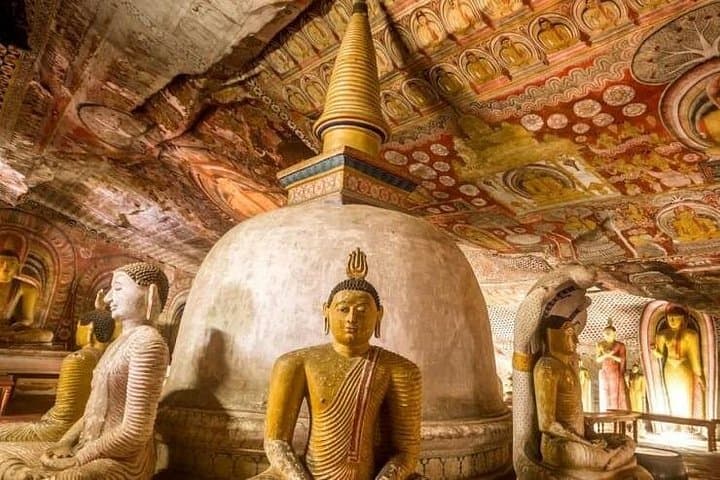
Sigiriya owes its drama to geology and ambition. The fortress was crowned by King Kashyapa in the 5th century CE; he transformed a natural rock column into a fortified palace with water gardens, frescoed galleries and a polished Mirror Wall. Dambulla’s cave complex, centuries older in parts, is a carved sanctuary of painted ceilings and 153 Buddha images set into a limestone escarpment.
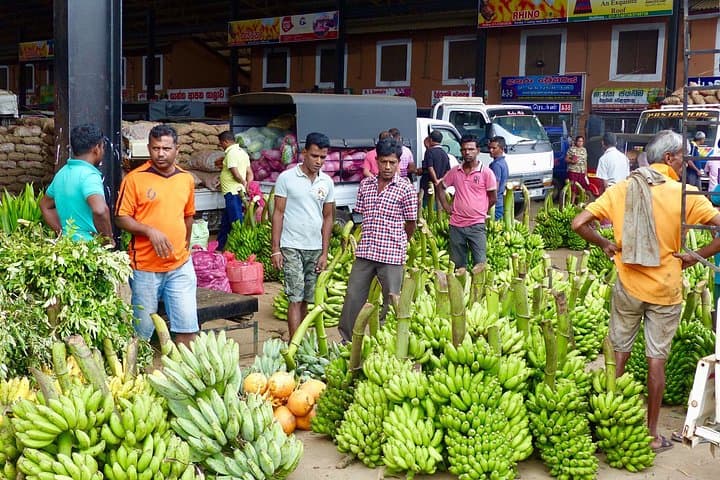
Culture here is tactile: in the Dambulla Economic Centre you’ll see truckloads of chillies and jackfruit being sorted for markets, while roadside spice gardens and a traditional village stop offer the senses—cinnamon steam, smoke-curled fish, and the creak of an ox cart. Guides can add a short catamaran ride across a reservoir for a slower view of the dry-zone landscape where herons and the occasional sambar deer forage.
Practical edge: the day is long—expect 10–12 hours with door-to-door pickup across the west coast. The Sigiriya ascent includes narrow metal staircases and sections of steep rock steps; bring a steady head for heights and allow about 1–2 hours for the climb and summit exploration. Dambulla requires less exertion but more humility—remove shoes, cover shoulders and knees, and move slowly to preserve fragile murals.
Hydration and timing matter. Start early to avoid midday heat; bottled water is included but carry a refillable bottle for the climb. Wear grippy shoes for uneven stone and a light rain jacket in monsoon season; sunscreen and a sun hat are non-negotiable. Photography is best early or late—soft light brings out the reds in the frescoes and makes the rock face glow.
Logistics are straightforward: private, air-conditioned transport, museum and market stops, and hotel pickup across Kalutara–Colombo–Bentota corridors. The tour is registered with Sri Lanka Tourism, but bring local currency for entrance fees and small purchases. Above all, give the sites room—these are working places of culture and conservation, not just photo backdrops.
Expect about 3–4 hours each way depending on traffic; the tour is designed as a long day with private transport and multiple stops.
Entrance fees are not listed as included—bring local currency for site admissions if required.
Sigiriya involves exposed stair sections and narrow passages; it may be uncomfortable for those with significant acrophobia.
Yes—children can join, but the climb may be strenuous for very young kids; stroller access is available for village stops but not for the rock climb.
There are basic facilities and snack options at visitor centers and near site entrances; carrying snacks is recommended for the long day.
Yes—the operator can arrange optional stops like a spice garden, ox cart ride or catamaran on request during booking.
Island Divvy Tours operates guided outdoor trips and adventures with an emphasis on safety, stewardship, and memorable experiences.
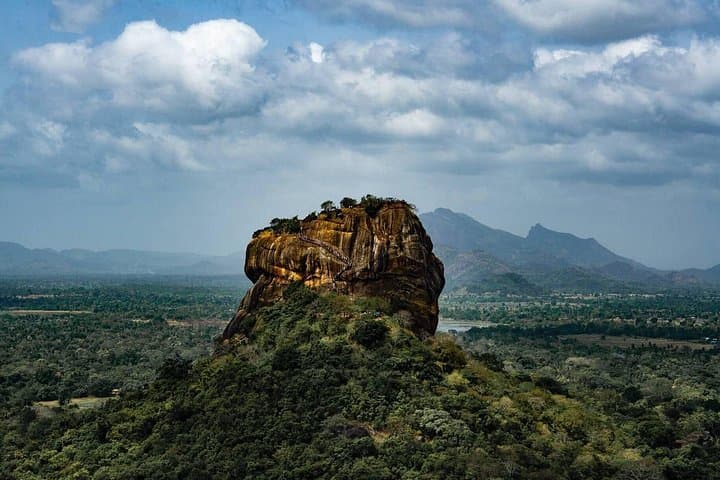

You arrive before the heat, the minivan humming across the flat paddy plain as mist lifts from irrigation tanks. By the time Sigiriya—the so-called Lion Rock—fills the windshield, it sits like an island of orange-brown granite rising from a quilt of green. On this long day out from Kalutara or Bentota, the itinerary reads like a compact cultural atlas: a climb up a 660-foot volcanic plug, a descent into painted cave sanctuaries and a detour through a bustling economic market and a cricket stadium that faces the dry-zone skyline.
You arrive before the heat, the minivan humming across the flat paddy plain as mist lifts from irrigation tanks. By the time Sigiriya—the so-called Lion Rock—fills the windshield, it sits like an island of orange-brown granite rising from a quilt of green. On this long day out from Kalutara or Bentota, the itinerary reads like a compact cultural atlas: a climb up a 660-foot volcanic plug, a descent into painted cave sanctuaries and a detour through a bustling economic market and a cricket stadium that faces the dry-zone skyline.
Sigiriya owes its drama to geology and ambition. The fortress was crowned by King Kashyapa in the 5th century CE; he transformed a natural rock column into a fortified palace with water gardens, frescoed galleries and a polished Mirror Wall. Dambulla’s cave complex, centuries older in parts, is a carved sanctuary of painted ceilings and 153 Buddha images set into a limestone escarpment.
Culture here is tactile: in the Dambulla Economic Centre you’ll see truckloads of chillies and jackfruit being sorted for markets, while roadside spice gardens and a traditional village stop offer the senses—cinnamon steam, smoke-curled fish, and the creak of an ox cart. Guides can add a short catamaran ride across a reservoir for a slower view of the dry-zone landscape where herons and the occasional sambar deer forage.
Practical edge: the day is long—expect 10–12 hours with door-to-door pickup across the west coast. The Sigiriya ascent includes narrow metal staircases and sections of steep rock steps; bring a steady head for heights and allow about 1–2 hours for the climb and summit exploration. Dambulla requires less exertion but more humility—remove shoes, cover shoulders and knees, and move slowly to preserve fragile murals.
Hydration and timing matter. Start early to avoid midday heat; bottled water is included but carry a refillable bottle for the climb. Wear grippy shoes for uneven stone and a light rain jacket in monsoon season; sunscreen and a sun hat are non-negotiable. Photography is best early or late—soft light brings out the reds in the frescoes and makes the rock face glow.
Logistics are straightforward: private, air-conditioned transport, museum and market stops, and hotel pickup across Kalutara–Colombo–Bentota corridors. The tour is registered with Sri Lanka Tourism, but bring local currency for entrance fees and small purchases. Above all, give the sites room—these are working places of culture and conservation, not just photo backdrops.