THE ADVENTURE COLLECTIVE® · Independent discovery and booking for outdoor travel

Climb an imperial rock fortress, learn how spices shaped an island and track wild Asian elephants in a single long day from Pasikuda. This full‑day trip pairs archaeology with a 4x4 safari for travelers who want cultural context and wildlife sightings without overnight logistics.
Climb an imperial rock fortress, learn how spices shaped an island and track wild Asian elephants in a single long day from Pasikuda. This full‑day trip pairs archaeology with a 4x4 safari for travelers who want cultural context and wildlife sightings without overnight logistics.
You step out of the air-conditioned vehicle into a hot, slow-moving heat that seems to push you toward the face of the rock. Sigiriya—an ancient fortress and palace perched on a 200‑meter monolith—dominates the horizon, its basalt flank scoured by centuries of monsoon and human hands. The day begins with that ascent, a climb of concrete stairs, iron ladders and carved steps that lead through fresco galleries, past mirrored pools, and into a top‑of‑the-world terrace where wind and history trade places.
Verified experiences and guided adventures in the surrounding area.
Operated by Sigiritrip Tours · Sigiriya, Central Province
You step out of the air-conditioned vehicle into a hot, slow-moving heat that seems to push you toward the face of the rock. Sigiriya—an ancient fortress and palace perched on a 200‑meter monolith—dominates the horizon, its basalt flank scoured by centuries of monsoon and human hands. The day begins with that ascent, a climb of concrete stairs, iron ladders and carved steps that lead through fresco galleries, past mirrored pools, and into a top‑of‑the-world terrace where wind and history trade places.
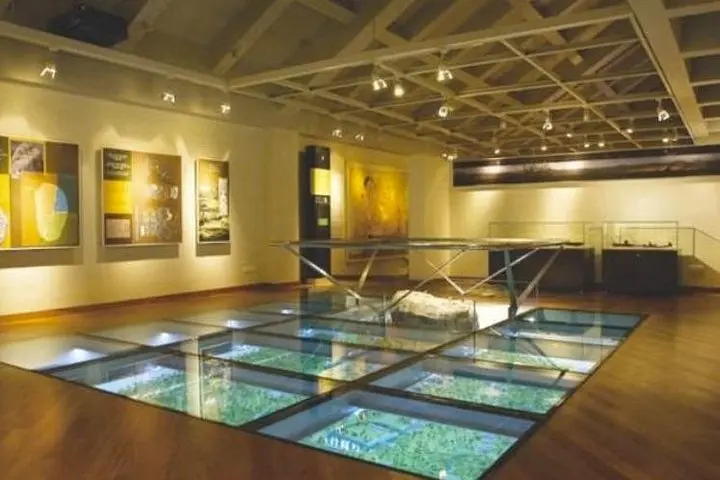
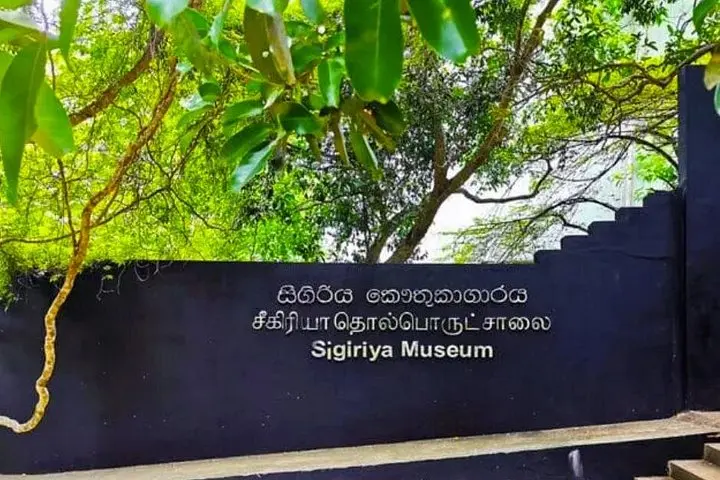
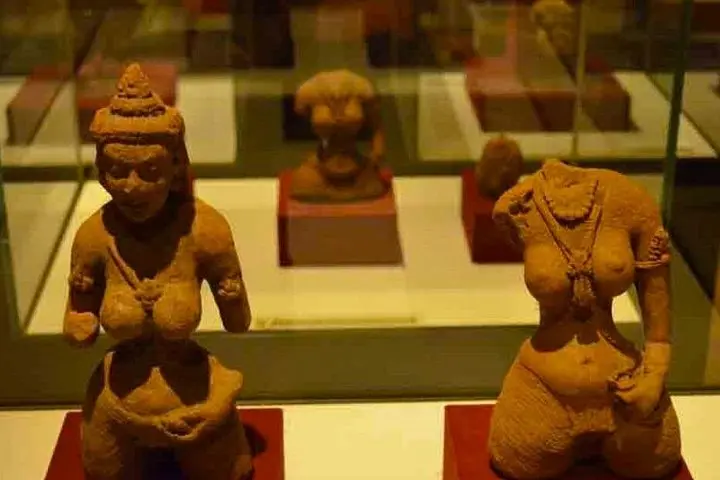
Sigiriya's story is concrete: a 5th‑century stronghold built by King Kasyapa, later abandoned and cataloged by archaeologists who mapped gardens, waterworks and an audacious urban plan. Nearby, the Sigiriya Museum lays out that archaeology with context—models, finds and the administrative logic that once kept the palace humming. After time among ruins and museum cases, the tour slips into a different Sri Lanka: an Ayurvedic spice garden. Cinnamon, cardamom and pandanus cluster like a lived history of trade, and a guide explains how these plants shaped local diets, medicine and the island’s fortunes.
By mid‑afternoon the landscape changes again; the jeep pushes off into Kaudulla or Minneriya National Park where the dry plain opens to the long curve of irrigation tanks. The savanna here is patient work—grass that waits, scrub that hides, a waterline that calls life. Elephants come to drink and socialize; they move with the casual authority of something that has practiced being enormous for millennia. The guide uses binoculars and local knowledge to locate family groups, and keen eyes pick out water birds on the tank’s edge.
Practicalities matter on a long day that often runs nine to eleven hours including drive time from Pasikuda. The climb is exposed and can be hot—start early, carry sun protection and at least 2 liters of water, and wear good treaded shoes for wet steps. The jeep safari moves over uneven, dusty tracks; expect splashy misses, sudden stops and the possibility of late‑day sightings when animals gather at the reservoir.
Culturally, the route crosses living communities, temple precincts and working farms; guides will often explain local customs and the Ayurvedic uses of plants you see. Conservation is active here—park rules limit vehicle numbers and encourage quiet observation; treat elephants as wild neighbors, not props.
For a single day from the east coast, this tour compresses Sri Lanka’s appetites—history, spice, wildlife—into a long, tightly choreographed sweep. It asks for stamina, curiosity and a willingness to trade the beach for a complicated inland afternoon, and it rewards with the kind of concentrated encounters that stay with you long after the drive back to Pasikuda.
Expect roughly 1.5–2 hours of driving each way depending on traffic and your hotel location; total tour time includes this transit.
The climb involves steep stairs and some narrow metal steps—many children and fit older travelers complete it, but assess mobility and take breaks as needed.
Sightings are common, especially in the dry season when animals concentrate at water, but wildlife is never guaranteed—guides choose the park (Minneriya or Kaudulla) based on daily conditions to maximize sightings.
Yes—this tour includes museum and park fees as well as a Western or Sri Lankan buffet lunch at a reputable restaurant.
The operator asks for dietary and special requirements at booking; transport and many sites are wheelchair accessible but the Sigiriya climb itself is not wheelchair‑friendly.
A telephoto lens is useful for wildlife, and a wide lens helps capture the summit panorama; bring spare batteries and a lightweight tripod if you shoot landscapes.
Sigiritrip Tours operates guided outdoor trips and adventures with an emphasis on safety, stewardship, and memorable experiences.
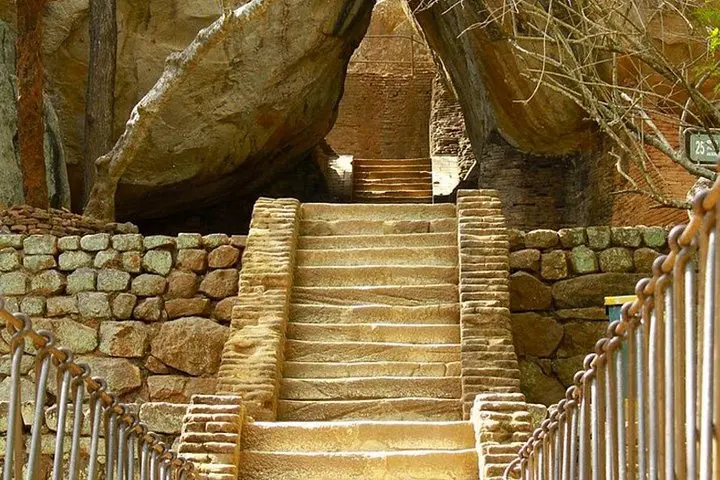
You step out of the air-conditioned vehicle into a hot, slow-moving heat that seems to push you toward the face of the rock. Sigiriya—an ancient fortress and palace perched on a 200‑meter monolith—dominates the horizon, its basalt flank scoured by centuries of monsoon and human hands. The day begins with that ascent, a climb of concrete stairs, iron ladders and carved steps that lead through fresco galleries, past mirrored pools, and into a top‑of‑the-world terrace where wind and history trade places.
You step out of the air-conditioned vehicle into a hot, slow-moving heat that seems to push you toward the face of the rock. Sigiriya—an ancient fortress and palace perched on a 200‑meter monolith—dominates the horizon, its basalt flank scoured by centuries of monsoon and human hands. The day begins with that ascent, a climb of concrete stairs, iron ladders and carved steps that lead through fresco galleries, past mirrored pools, and into a top‑of‑the-world terrace where wind and history trade places.
Sigiriya's story is concrete: a 5th‑century stronghold built by King Kasyapa, later abandoned and cataloged by archaeologists who mapped gardens, waterworks and an audacious urban plan. Nearby, the Sigiriya Museum lays out that archaeology with context—models, finds and the administrative logic that once kept the palace humming. After time among ruins and museum cases, the tour slips into a different Sri Lanka: an Ayurvedic spice garden. Cinnamon, cardamom and pandanus cluster like a lived history of trade, and a guide explains how these plants shaped local diets, medicine and the island’s fortunes.
By mid‑afternoon the landscape changes again; the jeep pushes off into Kaudulla or Minneriya National Park where the dry plain opens to the long curve of irrigation tanks. The savanna here is patient work—grass that waits, scrub that hides, a waterline that calls life. Elephants come to drink and socialize; they move with the casual authority of something that has practiced being enormous for millennia. The guide uses binoculars and local knowledge to locate family groups, and keen eyes pick out water birds on the tank’s edge.
Practicalities matter on a long day that often runs nine to eleven hours including drive time from Pasikuda. The climb is exposed and can be hot—start early, carry sun protection and at least 2 liters of water, and wear good treaded shoes for wet steps. The jeep safari moves over uneven, dusty tracks; expect splashy misses, sudden stops and the possibility of late‑day sightings when animals gather at the reservoir.
Culturally, the route crosses living communities, temple precincts and working farms; guides will often explain local customs and the Ayurvedic uses of plants you see. Conservation is active here—park rules limit vehicle numbers and encourage quiet observation; treat elephants as wild neighbors, not props.
For a single day from the east coast, this tour compresses Sri Lanka’s appetites—history, spice, wildlife—into a long, tightly choreographed sweep. It asks for stamina, curiosity and a willingness to trade the beach for a complicated inland afternoon, and it rewards with the kind of concentrated encounters that stay with you long after the drive back to Pasikuda.