THE ADVENTURE COLLECTIVE® · Independent discovery and booking for outdoor travel

Climb the dramatic Lion Rock at Sigiriya and walk the painted caverns of Dambulla on a single full‑day outing. This guided tour pairs geology, ancient engineering and living village life with practical tips for a long, hot day in central Sri Lanka.
Climb the dramatic Lion Rock at Sigiriya and walk the painted caverns of Dambulla on a single full‑day outing. This guided tour pairs geology, ancient engineering and living village life with practical tips for a long, hot day in central Sri Lanka.
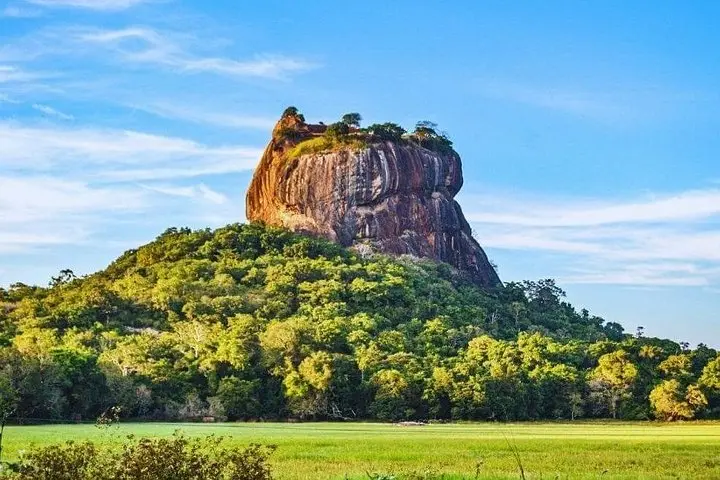
You step out of the air‑conditioned van into heat that presses against the plain; beneath your feet, laterite soil and low scrub give way to the sudden vertical of Sigiriya — the Lion Rock — rising roughly 200 metres above the surrounding fields and daring you to climb. The path begins with shaded approaches, then becomes a succession of stone steps and metal staircases that wind past frescoes and mirror pools before opening onto the belvedere.
Verified experiences and guided adventures in the surrounding area.
Operated by Aruna Tours Kandy · Dambulla, Central Province
You step out of the air‑conditioned van into heat that presses against the plain; beneath your feet, laterite soil and low scrub give way to the sudden vertical of Sigiriya — the Lion Rock — rising roughly 200 metres above the surrounding fields and daring you to climb. The path begins with shaded approaches, then becomes a succession of stone steps and metal staircases that wind past frescoes and mirror pools before opening onto the belvedere.
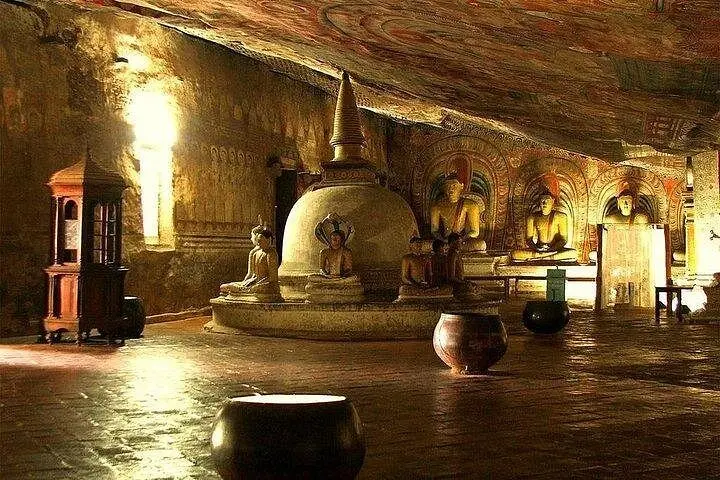
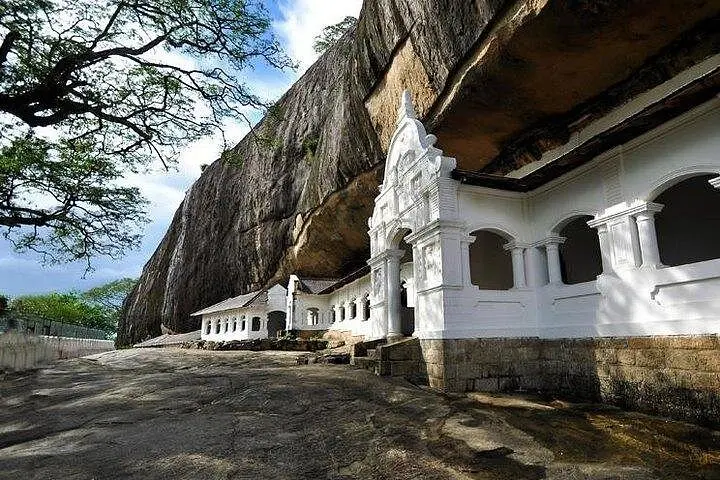
This landscape holds layered histories: an ancient capital carved by King Kashyapa in the 5th century AD, later a Buddhist monastery, now a UNESCO World Heritage Site. Nearby Dambulla’s cave temples sit under a 160‑metre rock outcrop and preserve more than 150 Buddha statues and wall paintings spanning centuries. Geologically the area is a patchwork of Precambrian gneiss and isolated rock outcrops that resisted erosion, giving rise to the dramatic monoliths you climb.
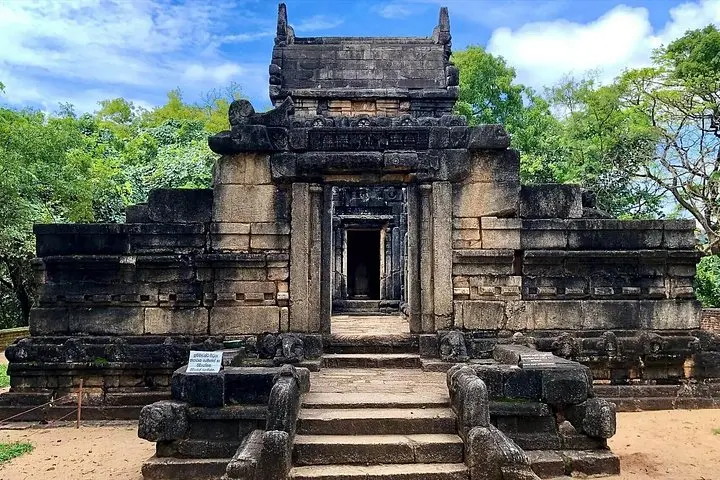
On this full‑day route you’ll pass spice gardens, reconstructed stone walls, and small village markets—local life that eases the transition from monument to modern. Guides typically explain the iconography, point out Brahmi inscriptions, and describe the architectural blends of Hindu and Buddhist motifs.
Practical guidance: aim for an early start to avoid midday heat, carry 1–2 liters of water, and wear grippy shoes for uneven stone and metal stair sections. Expect 10–12 hours in a day tour including transfers; moderate fitness helps for repeated climbs and standing during cave visits. Respect temple dress codes (shoulders and knees covered), move quietly inside the caves, and leave no trace at viewpoints.
Most day tours do not include monument admission; check your booking details and budget for Sigiriya and Dambulla entrance fees.
The ascent is steep with metal stair sections and narrow walkways; expect a sustained effort over uneven steps but no technical climbing.
Yes—temple etiquette requires shoulders and knees covered, and shoes must be removed before entering the cave temples.
Basic facilities and small vendors exist at lower levels and nearby sites; bring snacks and water for continuous energy between stops.
Aruna Tours Kandy operates guided outdoor trips and adventures with an emphasis on safety, stewardship, and memorable experiences.
You step out of the air‑conditioned van into heat that presses against the plain; beneath your feet, laterite soil and low scrub give way to the sudden vertical of Sigiriya — the Lion Rock — rising roughly 200 metres above the surrounding fields and daring you to climb. The path begins with shaded approaches, then becomes a succession of stone steps and metal staircases that wind past frescoes and mirror pools before opening onto the belvedere.
You step out of the air‑conditioned van into heat that presses against the plain; beneath your feet, laterite soil and low scrub give way to the sudden vertical of Sigiriya — the Lion Rock — rising roughly 200 metres above the surrounding fields and daring you to climb. The path begins with shaded approaches, then becomes a succession of stone steps and metal staircases that wind past frescoes and mirror pools before opening onto the belvedere.
This landscape holds layered histories: an ancient capital carved by King Kashyapa in the 5th century AD, later a Buddhist monastery, now a UNESCO World Heritage Site. Nearby Dambulla’s cave temples sit under a 160‑metre rock outcrop and preserve more than 150 Buddha statues and wall paintings spanning centuries. Geologically the area is a patchwork of Precambrian gneiss and isolated rock outcrops that resisted erosion, giving rise to the dramatic monoliths you climb.
On this full‑day route you’ll pass spice gardens, reconstructed stone walls, and small village markets—local life that eases the transition from monument to modern. Guides typically explain the iconography, point out Brahmi inscriptions, and describe the architectural blends of Hindu and Buddhist motifs.
Practical guidance: aim for an early start to avoid midday heat, carry 1–2 liters of water, and wear grippy shoes for uneven stone and metal stair sections. Expect 10–12 hours in a day tour including transfers; moderate fitness helps for repeated climbs and standing during cave visits. Respect temple dress codes (shoulders and knees covered), move quietly inside the caves, and leave no trace at viewpoints.