THE ADVENTURE COLLECTIVE® · Independent discovery and booking for outdoor travel

Climb the dramatic Lion Rock of Sigiriya and step into the painted caverns of Dambulla on a full‑day trip from Negombo. This guided tour blends an energetic ascent, ancient frescoes and practical local encounters—perfect for a single day of deep cultural payoff.
Climb the dramatic Lion Rock of Sigiriya and step into the painted caverns of Dambulla on a full‑day trip from Negombo. This guided tour blends an energetic ascent, ancient frescoes and practical local encounters—perfect for a single day of deep cultural payoff.
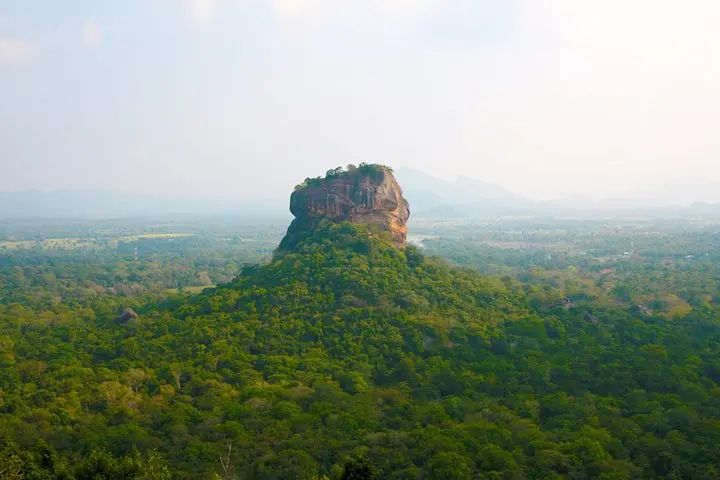
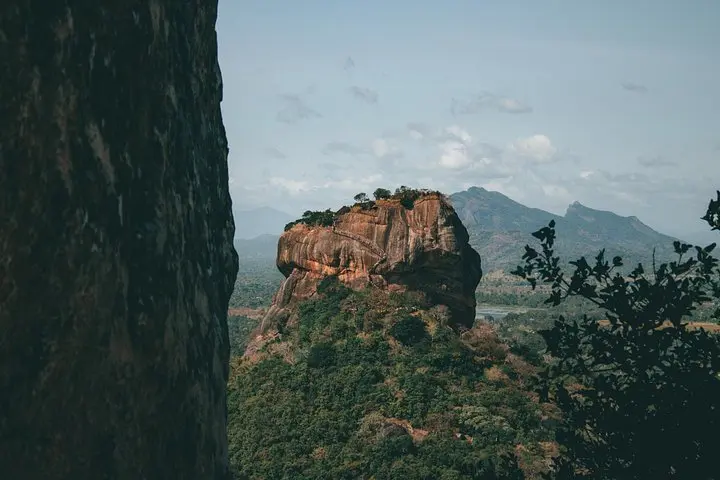
You arrive before dawn, the highway humming as the sky lightens over Sri Lanka’s central plains. From the window of an air-conditioned van the land looks patient — rice paddies flattening into reservoirs, brilliant green interrupted by a lone, vertical dark column that seems to have been driven into the earth. That column is Sigiriya: Lion Rock, a 200‑meter-high slab of ancient stone that will demand both your breath and your attention before lunch.
Verified experiences and guided adventures in the surrounding area.
Operated by OTN WORLD PVT LTD · Sigiriya, Central Province
You arrive before dawn, the highway humming as the sky lightens over Sri Lanka’s central plains. From the window of an air-conditioned van the land looks patient — rice paddies flattening into reservoirs, brilliant green interrupted by a lone, vertical dark column that seems to have been driven into the earth. That column is Sigiriya: Lion Rock, a 200‑meter-high slab of ancient stone that will demand both your breath and your attention before lunch.
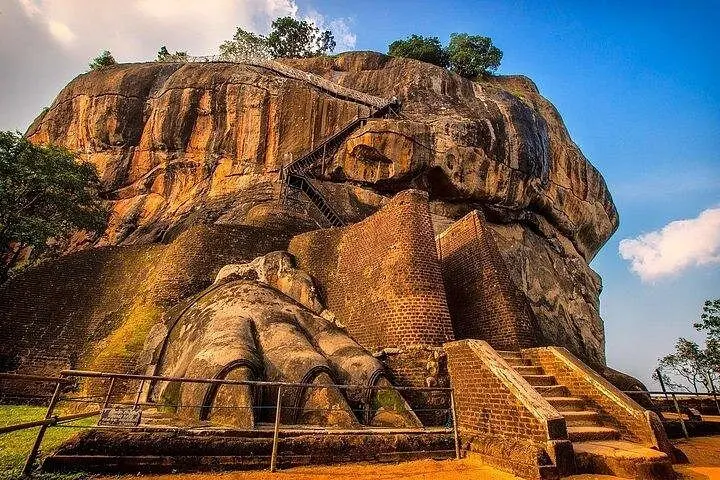
The climb up Sigiriya is cinematic and compact: a sequence of terraces, iron stairways and a midway gallery with the palace’s famous frescoes — painted women who still look toward you with an unnerving calm. King Kasyapa built his capital here in the 5th century A.D., turning the summit into a fortified palace and ceremonial gardens. Later, Buddhist monks converted parts of the complex, leaving a layered record of politics and piety carved into the rock. Nearby, the Dambulla Cave Temple — the Golden Temple — hangs along a rocky outcrop like a draped canopy, its vaulted rooms holding 153 Buddha images and richly repainted murals that span two millennia of devotion.
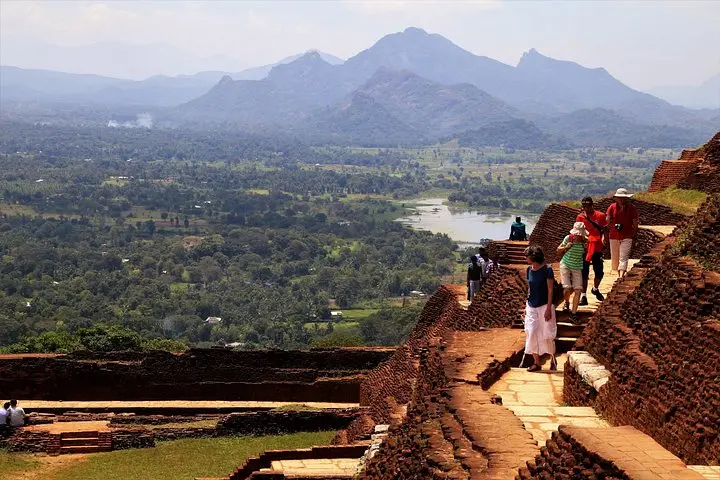
Geologically, Sigiriya reads like a challenge card: a hardened magma plug that resisted erosion while the plains wore away around it. The island of stone dominates views for miles; from the top the surrounding forests and tanks (man-made reservoirs) breathe and shift with the light as if the earth itself were watching you back.
Culturally the route is intimate. In villages you’ll pass bullock carts and wood‑carving workshops, and guides often offer short detours for a village safari, a home-cooked rice-and-curry tasting, or a tuk‑tuk ride through paddy edges. Respect is concrete here: temples require covered shoulders and knees, shoes are left at the gate, and photography rules vary inside shrines.
Practical guidance: plan for a 6–8 hour day from Negombo or Colombo; pickup and drop‑off are included. The Sigiriya ascent involves roughly 1,200 steps and 200 meters of elevation gain — not technical, but exposed and steep in places. Start early to avoid midday heat; carry at least 1.5 liters of water, sunscreen and a hat. Dambulla’s caves are cooler but require bending and short flights of stairs; wear sturdy shoes with good grip. Expect guided commentary at Sigiriya and time to walk the water gardens below. There’s bottled water and seasonal fruit provided on the tour, and optional local experiences (village safari, cooking class) if you want to stretch the day.
Safety notes: avoid leaning on railings near cliff edges and follow posted rules at both heritage sites. If you move deliberately — pause for the frescoes, breathe at the summit, listen to the wind through the trees — the day feels less like a checklist and more like a clear, manageable immersion into Sri Lanka’s living history.
Expect a 6–8 hour day including travel: roughly 3 hours each way depending on traffic, with time at Sigiriya and Dambulla.
The tour provides pickup, guide and transport; heritage site entrance fees are typically paid on arrival—confirm at booking.
Children with supervision and reasonably fit older adults can do the climb, but it’s not recommended for those with limited mobility or serious back/heart conditions.
Wear clothing that covers shoulders and knees; remove shoes before entering cave shrines and avoid loud attire or hats inside.
Bottled water and seasonal fruit are provided; optional village food experiences or a local lunch can be arranged for an extra fee.
The tour runs in most conditions; operators will offer alternatives or reschedule for safety if severe weather prevents visits.
OTN WORLD PVT LTD operates guided outdoor trips and adventures with an emphasis on safety, stewardship, and memorable experiences.
You arrive before dawn, the highway humming as the sky lightens over Sri Lanka’s central plains. From the window of an air-conditioned van the land looks patient — rice paddies flattening into reservoirs, brilliant green interrupted by a lone, vertical dark column that seems to have been driven into the earth. That column is Sigiriya: Lion Rock, a 200‑meter-high slab of ancient stone that will demand both your breath and your attention before lunch.
You arrive before dawn, the highway humming as the sky lightens over Sri Lanka’s central plains. From the window of an air-conditioned van the land looks patient — rice paddies flattening into reservoirs, brilliant green interrupted by a lone, vertical dark column that seems to have been driven into the earth. That column is Sigiriya: Lion Rock, a 200‑meter-high slab of ancient stone that will demand both your breath and your attention before lunch.
The climb up Sigiriya is cinematic and compact: a sequence of terraces, iron stairways and a midway gallery with the palace’s famous frescoes — painted women who still look toward you with an unnerving calm. King Kasyapa built his capital here in the 5th century A.D., turning the summit into a fortified palace and ceremonial gardens. Later, Buddhist monks converted parts of the complex, leaving a layered record of politics and piety carved into the rock. Nearby, the Dambulla Cave Temple — the Golden Temple — hangs along a rocky outcrop like a draped canopy, its vaulted rooms holding 153 Buddha images and richly repainted murals that span two millennia of devotion.
Geologically, Sigiriya reads like a challenge card: a hardened magma plug that resisted erosion while the plains wore away around it. The island of stone dominates views for miles; from the top the surrounding forests and tanks (man-made reservoirs) breathe and shift with the light as if the earth itself were watching you back.
Culturally the route is intimate. In villages you’ll pass bullock carts and wood‑carving workshops, and guides often offer short detours for a village safari, a home-cooked rice-and-curry tasting, or a tuk‑tuk ride through paddy edges. Respect is concrete here: temples require covered shoulders and knees, shoes are left at the gate, and photography rules vary inside shrines.
Practical guidance: plan for a 6–8 hour day from Negombo or Colombo; pickup and drop‑off are included. The Sigiriya ascent involves roughly 1,200 steps and 200 meters of elevation gain — not technical, but exposed and steep in places. Start early to avoid midday heat; carry at least 1.5 liters of water, sunscreen and a hat. Dambulla’s caves are cooler but require bending and short flights of stairs; wear sturdy shoes with good grip. Expect guided commentary at Sigiriya and time to walk the water gardens below. There’s bottled water and seasonal fruit provided on the tour, and optional local experiences (village safari, cooking class) if you want to stretch the day.
Safety notes: avoid leaning on railings near cliff edges and follow posted rules at both heritage sites. If you move deliberately — pause for the frescoes, breathe at the summit, listen to the wind through the trees — the day feels less like a checklist and more like a clear, manageable immersion into Sri Lanka’s living history.