THE ADVENTURE COLLECTIVE® · Independent discovery and booking for outdoor travel

A private day tour from Kandy that pairs the cave sanctuaries of Dambulla with the vertiginous climb up Sigiriya Lion Rock. Expect ancient murals, steep staircases, and panoramic views — with a local driver-guide handling logistics.
A private day tour from Kandy that pairs the cave sanctuaries of Dambulla with the vertiginous climb up Sigiriya Lion Rock. Expect ancient murals, steep staircases, and panoramic views — with a local driver-guide handling logistics.
You step into the day before dawn, when Kandy’s sleepy streets still carry the cool smell of wet pavement and the minarets are silhouettes against a pale sky. The drive north opens into broad plains; palms and paddy fields slide past the van’s shaded windows until two monuments loom like answers to different questions. Dambulla’s painted caves hold centuries of quiet devotion; Sigiriya’s sheer rock compels upward motion — a climb that feels equal parts archaeology and theatre.
Verified experiences and guided adventures in the surrounding area.
Operated by B Super Tours · Sigiriya, Central Province
You step into the day before dawn, when Kandy’s sleepy streets still carry the cool smell of wet pavement and the minarets are silhouettes against a pale sky. The drive north opens into broad plains; palms and paddy fields slide past the van’s shaded windows until two monuments loom like answers to different questions. Dambulla’s painted caves hold centuries of quiet devotion; Sigiriya’s sheer rock compels upward motion — a climb that feels equal parts archaeology and theatre.
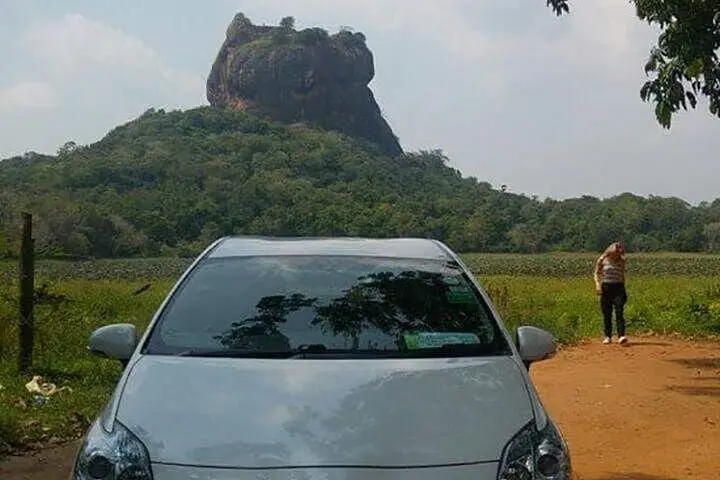
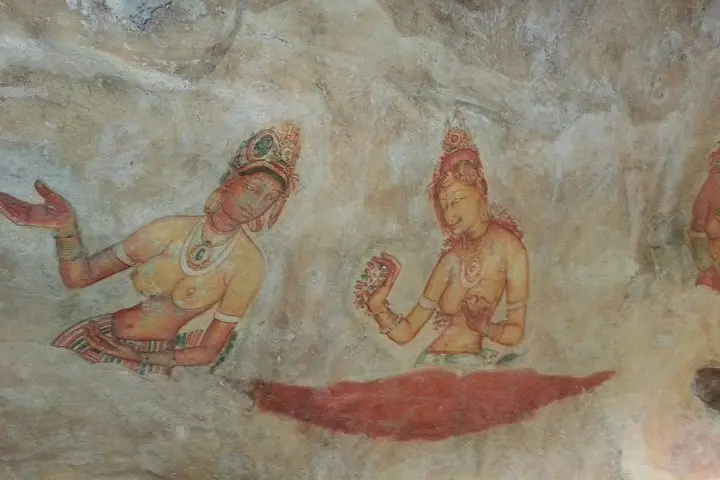
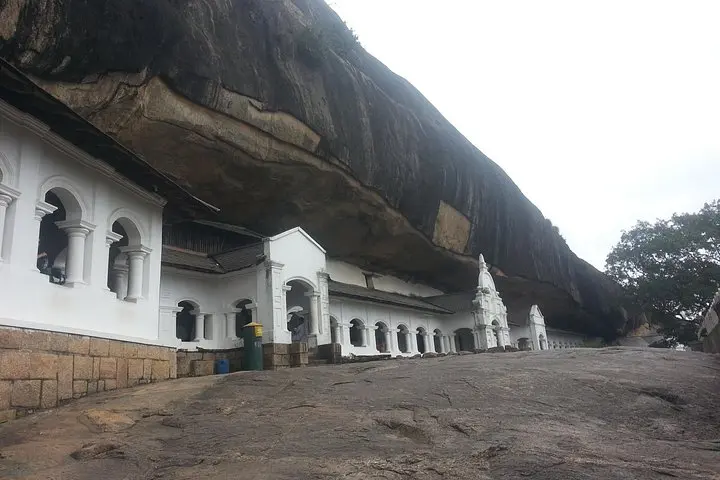
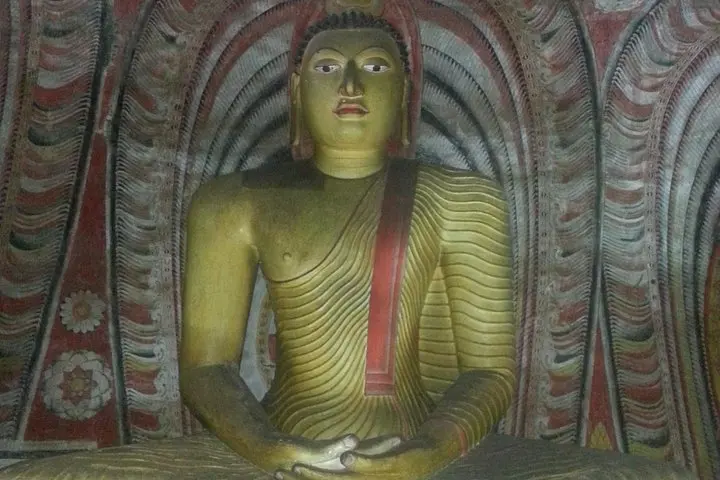
Dambulla, the Golden Temple, perches on a low outcrop whose caverns have sheltered Buddhist worship since antiquity. Enter the rock and murals close in like a living book: saffron-robed Buddhas carved into niches, ceilings painted with interlacing scenes, and cool stone that has kept prayers intact for a millennium. From there the road curves toward Sigiriya, where King Kasyapa raised a palace on a rock in the 5th century CE. The fortress reads like an urban plan turned vertical — terraces, water gardens patterned below, frescoed walls mid-ascent and the famous Mirror Wall that preserves ancient graffiti.
Geology plays its part: Sigiriya is an isolated granite monolith rising roughly 200 meters above the plain, its flanks worn into pockets and ledges that now host iron stairways and viewing platforms. Culture and history are visible in layers — the Hindu and Buddhist practices in Matale en route, the mixed worship at Sri Muthumariamman Temple, and the colonial-era roads that first opened this interior to modern tourism.
Practical notes sit alongside the wonder. The climb is steep: expect several hundred to over a thousand steps with narrow metal staircases near the summit; allow 1.5–2 hours round-trip at a steady pace. Neither Dambulla nor Sigiriya admission is included on most basic tours — bring local currency. Dress respectfully for temples (cover shoulders and knees), and wear shoes with good grip; steps can be slippery during or after rain. Hydrate constantly — bottled water is usually provided on this tour but bring a refill bottle for the heat.
Timing matters. Start early to catch fresher air and softer light for photography; midafternoon can be hot and crowded. Your driver-guide will move the logistics so you can focus on details: fresco fragments, well-preserved Buddha statues, and the moment the plain unfurls beneath the Lion’s paws.
This is a day that stitches together geology, royal ambition, and living faith — practical to plan, generous in reward. With sensible footwear, a modest outfit, and a bit of curiosity, the climb and the caves will feel less like checked boxes and more like a conversation with the island’s past.
Typically not — entrance fees are often paid on site. Confirm with your operator beforehand if you want admissions included.
It’s a steep climb with several hundred to over a thousand steps and narrow metal stairways near the top; moderate fitness is recommended.
Yes — this private tour includes hotel pickup and drop-off in Kandy; specify your pickup point when booking.
The operator lists about 12 hours total; expect roughly 1–2 hours at Dambulla and 2–3 hours at Sigiriya, plus travel time and stops.
There are roadside restaurants and small cafes near both sites; bring snacks if you prefer or advise your guide of dietary needs.
Photography is generally allowed, but be respectful in sacred spaces; flash may be restricted in some cave interiors.
B Super Tours operates guided outdoor trips and adventures with an emphasis on safety, stewardship, and memorable experiences.
You step into the day before dawn, when Kandy’s sleepy streets still carry the cool smell of wet pavement and the minarets are silhouettes against a pale sky. The drive north opens into broad plains; palms and paddy fields slide past the van’s shaded windows until two monuments loom like answers to different questions. Dambulla’s painted caves hold centuries of quiet devotion; Sigiriya’s sheer rock compels upward motion — a climb that feels equal parts archaeology and theatre.
You step into the day before dawn, when Kandy’s sleepy streets still carry the cool smell of wet pavement and the minarets are silhouettes against a pale sky. The drive north opens into broad plains; palms and paddy fields slide past the van’s shaded windows until two monuments loom like answers to different questions. Dambulla’s painted caves hold centuries of quiet devotion; Sigiriya’s sheer rock compels upward motion — a climb that feels equal parts archaeology and theatre.
Dambulla, the Golden Temple, perches on a low outcrop whose caverns have sheltered Buddhist worship since antiquity. Enter the rock and murals close in like a living book: saffron-robed Buddhas carved into niches, ceilings painted with interlacing scenes, and cool stone that has kept prayers intact for a millennium. From there the road curves toward Sigiriya, where King Kasyapa raised a palace on a rock in the 5th century CE. The fortress reads like an urban plan turned vertical — terraces, water gardens patterned below, frescoed walls mid-ascent and the famous Mirror Wall that preserves ancient graffiti.
Geology plays its part: Sigiriya is an isolated granite monolith rising roughly 200 meters above the plain, its flanks worn into pockets and ledges that now host iron stairways and viewing platforms. Culture and history are visible in layers — the Hindu and Buddhist practices in Matale en route, the mixed worship at Sri Muthumariamman Temple, and the colonial-era roads that first opened this interior to modern tourism.
Practical notes sit alongside the wonder. The climb is steep: expect several hundred to over a thousand steps with narrow metal staircases near the summit; allow 1.5–2 hours round-trip at a steady pace. Neither Dambulla nor Sigiriya admission is included on most basic tours — bring local currency. Dress respectfully for temples (cover shoulders and knees), and wear shoes with good grip; steps can be slippery during or after rain. Hydrate constantly — bottled water is usually provided on this tour but bring a refill bottle for the heat.
Timing matters. Start early to catch fresher air and softer light for photography; midafternoon can be hot and crowded. Your driver-guide will move the logistics so you can focus on details: fresco fragments, well-preserved Buddha statues, and the moment the plain unfurls beneath the Lion’s paws.
This is a day that stitches together geology, royal ambition, and living faith — practical to plan, generous in reward. With sensible footwear, a modest outfit, and a bit of curiosity, the climb and the caves will feel less like checked boxes and more like a conversation with the island’s past.