THE ADVENTURE COLLECTIVE® · Independent discovery and booking for outdoor travel

A full-day loop from Colombo that pairs the vertiginous climb of Sigiriya’s Lion Rock with the painted sanctuaries of Dambulla Cave Temple. Expect a long but rewarding day of history, geology, and temple etiquette—bring water, cash for small fees, and modest clothing.
A full-day loop from Colombo that pairs the vertiginous climb of Sigiriya’s Lion Rock with the painted sanctuaries of Dambulla Cave Temple. Expect a long but rewarding day of history, geology, and temple etiquette—bring water, cash for small fees, and modest clothing.
You step out of the air-conditioned minivan and the plain green of the central plains opens like a map beneath the rock: Sigiriya rises from the rice fields, an abrupt black monolith that seems to challenge the sky. The guide hands you a chilled bottle of water and the group tightens its straps—today is a circuit through two of Sri Lanka’s most arresting ancient sites, stitched together by a drive that moves from lowland farmland into the archaeological heart of the island.
Verified experiences and guided adventures in the surrounding area.
Operated by Apple Vacations Pvt Ltd · Sigiriya, Central Province
You step out of the air-conditioned minivan and the plain green of the central plains opens like a map beneath the rock: Sigiriya rises from the rice fields, an abrupt black monolith that seems to challenge the sky. The guide hands you a chilled bottle of water and the group tightens its straps—today is a circuit through two of Sri Lanka’s most arresting ancient sites, stitched together by a drive that moves from lowland farmland into the archaeological heart of the island.
Sigiriya’s fortress-perch was a royal showpiece more than 1,600 years ago. The climb up iron stairways, past battered lion paws and frescoed galleries, is a sequence of shifting textures: smooth plaster, carved stone, the occasional mango tree leaning into the wind. For anyone in good shape the ascent can be brisk—under 30 minutes if you keep a steady pace—but lingering at the Mirror Wall and the Frescoes will stretch the visit to two hours round-trip. On the plateau the panorama opens: jagged low hills, irrigated paddy, and the geometric ponds of an engineered royal garden that still organizes the landscape below.
Less than an hour away, Dambulla’s cave-temple complex offers a different intimacy. The caves sit roughly 160 meters above the road; inside, carved and painted Buddhas occupy dim recesses where light moves slowly across gilded surfaces. The rock here is volcanic and deeply weathered; centuries of monks have reworked the chambers and layered new art over old devotion, so you’re seeing a palimpsest of Sri Lankan religious life.
Together the two sites illuminate the region’s history: from Sigiriya’s urban experimentation and courtly ambition to Dambulla’s enduring role as a spiritual center. Local villages still supply produce to the market stalls you pass en route, and craftsmen in nearby workshops turn jackfruit wood into masks and souvenirs.
Practical essentials: the tour runs roughly 12–14 hours with hotel pickup in Colombo; bring sunscreen, a hat, and at least 2 liters of water. Sigiriya’s entry is paid by card (about 11,000 LKR), while Dambulla expects small local-rupee payments for cave access—carry cash to avoid delays. Dress respectfully for temple visits: shoulders and knees covered, footwear removed. The climb includes metal steps and narrow ledges; if you have spinal issues, pregnancy, or poor cardiovascular health opt out.
Timing matters: arrive early to avoid heat and mid-day crowds. The guide and driver typically provide local commentary and a stop at a coffee spot to stretch legs. For photographers, the summit and cave interiors reward patience; for culture-seekers, listen for temple chants and watch how irrigation shapes the horizon. This is a long day, but by late afternoon the road back to Colombo becomes a ribbon of light—a quiet moment to let the stone and ritual settle in.
The full day tour lasts about 12–14 hours including transfers from Colombo, sightseeing and breaks.
No—Sigiriya (approx 11,000 LKR) can be paid by card; Dambulla requires local-rupee payment for cave access—bring cash.
Children can climb if supervised and physically capable; narrow ledges and steps make it unsuitable for very young kids.
Yes—footwear must be removed before entering Buddhist and Hindu temple interiors at Dambulla and other shrine areas.
Yes—the tour lists English-speaking driver/guides and multilingual guide assistance for Sigiriya (English, German, French, Spanish).
This tour is not recommended for travelers with serious cardiovascular or spinal conditions due to the strenuous climb and prolonged day.
Apple Vacations Pvt Ltd operates guided outdoor trips and adventures with an emphasis on safety, stewardship, and memorable experiences.
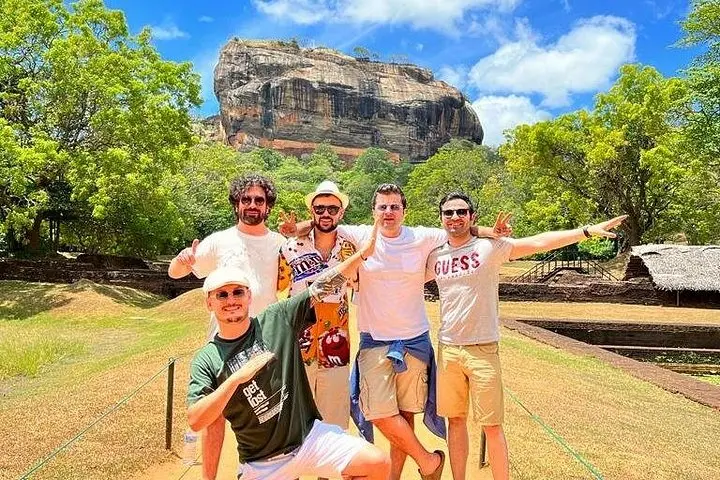
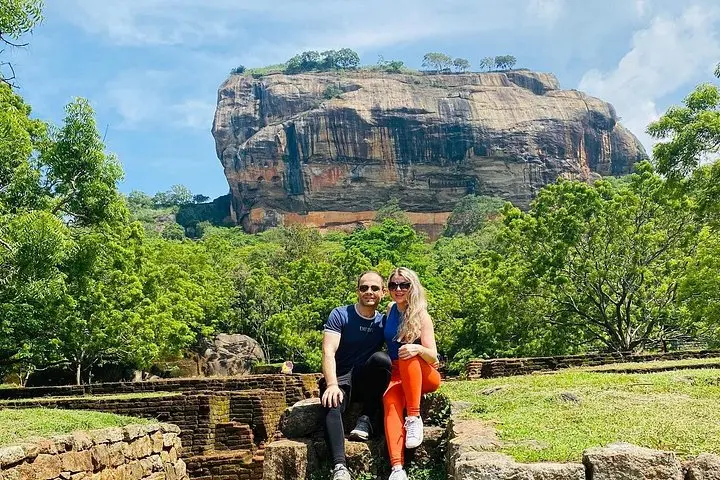
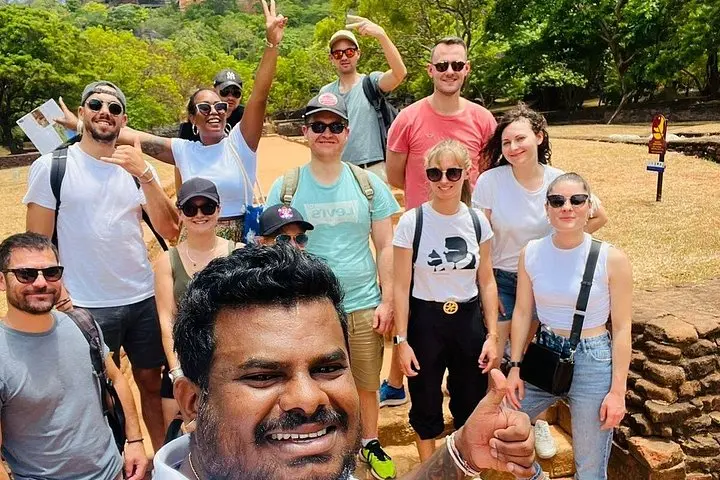
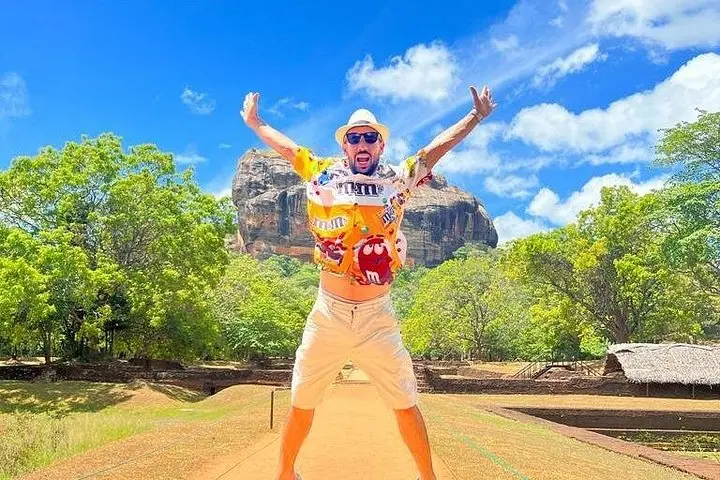
You step out of the air-conditioned minivan and the plain green of the central plains opens like a map beneath the rock: Sigiriya rises from the rice fields, an abrupt black monolith that seems to challenge the sky. The guide hands you a chilled bottle of water and the group tightens its straps—today is a circuit through two of Sri Lanka’s most arresting ancient sites, stitched together by a drive that moves from lowland farmland into the archaeological heart of the island.
You step out of the air-conditioned minivan and the plain green of the central plains opens like a map beneath the rock: Sigiriya rises from the rice fields, an abrupt black monolith that seems to challenge the sky. The guide hands you a chilled bottle of water and the group tightens its straps—today is a circuit through two of Sri Lanka’s most arresting ancient sites, stitched together by a drive that moves from lowland farmland into the archaeological heart of the island.
Sigiriya’s fortress-perch was a royal showpiece more than 1,600 years ago. The climb up iron stairways, past battered lion paws and frescoed galleries, is a sequence of shifting textures: smooth plaster, carved stone, the occasional mango tree leaning into the wind. For anyone in good shape the ascent can be brisk—under 30 minutes if you keep a steady pace—but lingering at the Mirror Wall and the Frescoes will stretch the visit to two hours round-trip. On the plateau the panorama opens: jagged low hills, irrigated paddy, and the geometric ponds of an engineered royal garden that still organizes the landscape below.
Less than an hour away, Dambulla’s cave-temple complex offers a different intimacy. The caves sit roughly 160 meters above the road; inside, carved and painted Buddhas occupy dim recesses where light moves slowly across gilded surfaces. The rock here is volcanic and deeply weathered; centuries of monks have reworked the chambers and layered new art over old devotion, so you’re seeing a palimpsest of Sri Lankan religious life.
Together the two sites illuminate the region’s history: from Sigiriya’s urban experimentation and courtly ambition to Dambulla’s enduring role as a spiritual center. Local villages still supply produce to the market stalls you pass en route, and craftsmen in nearby workshops turn jackfruit wood into masks and souvenirs.
Practical essentials: the tour runs roughly 12–14 hours with hotel pickup in Colombo; bring sunscreen, a hat, and at least 2 liters of water. Sigiriya’s entry is paid by card (about 11,000 LKR), while Dambulla expects small local-rupee payments for cave access—carry cash to avoid delays. Dress respectfully for temple visits: shoulders and knees covered, footwear removed. The climb includes metal steps and narrow ledges; if you have spinal issues, pregnancy, or poor cardiovascular health opt out.
Timing matters: arrive early to avoid heat and mid-day crowds. The guide and driver typically provide local commentary and a stop at a coffee spot to stretch legs. For photographers, the summit and cave interiors reward patience; for culture-seekers, listen for temple chants and watch how irrigation shapes the horizon. This is a long day, but by late afternoon the road back to Colombo becomes a ribbon of light—a quiet moment to let the stone and ritual settle in.