THE ADVENTURE COLLECTIVE® · Independent discovery and booking for outdoor travel

A full-day private tour from Kandy that pairs the dramatic climb of Sigiriya Rock Fortress with the painted caverns of Dambulla’s Golden Temple. Start early, pack sun protection, and plan optional safari time to spot elephants in Minneriya or Kaudulla.
A full-day private tour from Kandy that pairs the dramatic climb of Sigiriya Rock Fortress with the painted caverns of Dambulla’s Golden Temple. Start early, pack sun protection, and plan optional safari time to spot elephants in Minneriya or Kaudulla.
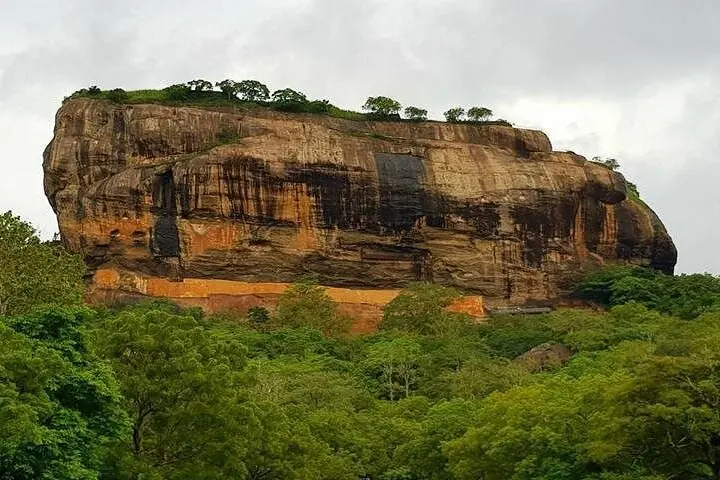
The morning light slashes across paddy fields as your chauffeur-guide eases out of Kandy and onto the low, flat roads of Sri Lanka’s Cultural Triangle. Tea plantations give way to coconut palms; villages blur, then resolve into the familiar squat silhouette of Sigiriya rising from the plain—an abrupt, iron-red monolith crowned by ruins. You step out, the air warm and quietly active, and for the next eight to ten hours the day unfolds as a compact primer on Sri Lanka’s layered past: rock palaces, painted caves, and the possibility of elephants on the plain.
Verified experiences and guided adventures in the surrounding area.
Operated by Travel Sri Lanka · Sigiriya, Central Province
The morning light slashes across paddy fields as your chauffeur-guide eases out of Kandy and onto the low, flat roads of Sri Lanka’s Cultural Triangle. Tea plantations give way to coconut palms; villages blur, then resolve into the familiar squat silhouette of Sigiriya rising from the plain—an abrupt, iron-red monolith crowned by ruins. You step out, the air warm and quietly active, and for the next eight to ten hours the day unfolds as a compact primer on Sri Lanka’s layered past: rock palaces, painted caves, and the possibility of elephants on the plain.
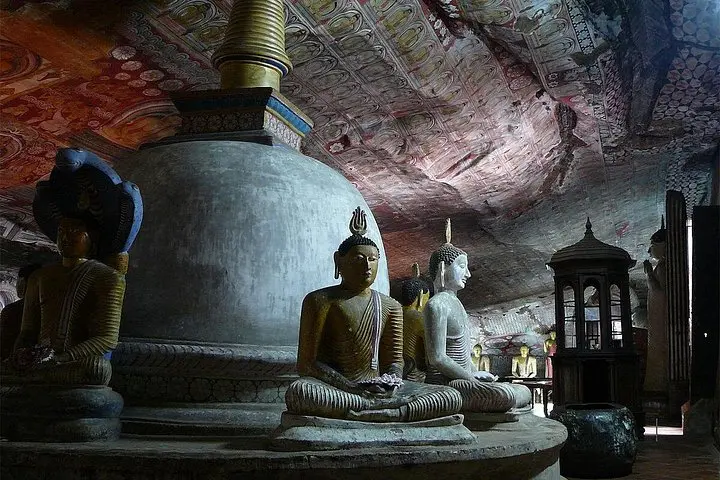
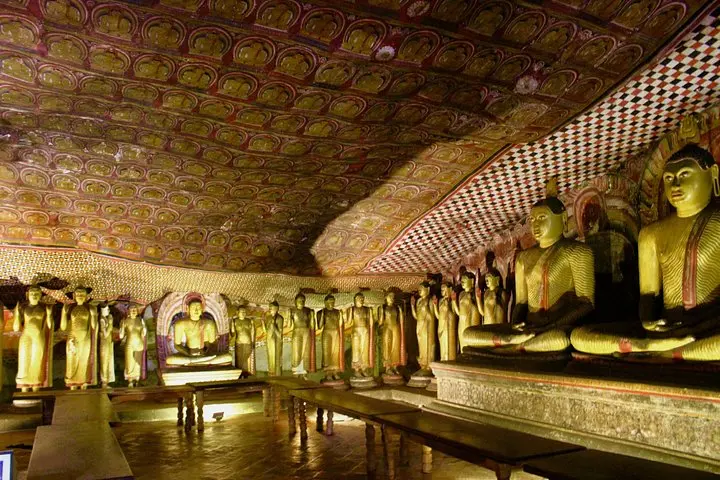
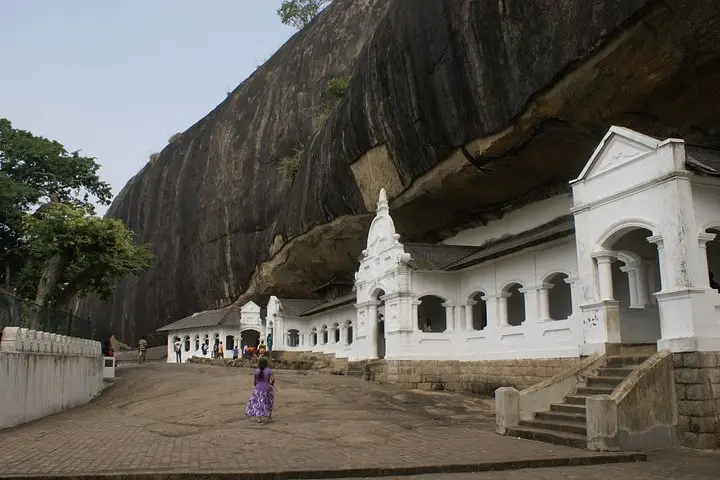
Sigiriya was a daring piece of urban planning long before modern architects used the word. King Kashyapa hoisted his palace and gardens onto a 200-meter volcanic plug in the 5th century, turning geology into defense and display. The ascent routes—stone staircases, spiral metal ladders, and the famous lion paws that frame the last climb—move you through the site’s theatrical elements: water gardens that still manage seasonal pools, the Mirror Wall streaked with ancient graffiti, and fragments of frescoes that once welcomed the king’s court. Nearby, Dambulla’s Golden Temple is a different kind of monument: five caves carved into a basalt ridge, 150-plus Buddha statues, and murals that wrap the interior in centuries of devotional painting.
Beyond the ruins, the region’s geology explains the drama: hardened magma plugs and eroded basalt form isolated inselbergs that dominate an otherwise gently undulating landscape. Culturally, the route stitches together Sri Lanka’s Buddhist and Hindu practices—Matale’s Raja Gopuram, built by Tamil artisans in the 2000s, sits in contrast to the ancient monasteries around Pidurangala.
Practical guidance makes the day smoother. Start early—pickup from Kandy around 7–8 a.m. gives you cooler climbing and the best light for photos. Sigiriya’s climb is steep: plan 45–60 minutes up at a steady pace; Pidurangala is an easier 30–45 minute alternative with closer views of Sigiriya. Dress respectfully for the temples: knees and shoulders should be covered and footwear removed at cave entrances and gopurams.
Expect a long day in the vehicle—total tour time typically 10–12 hours—so bring sun protection, a refillable water bottle, and light snacks. Entrance fees for Sigiriya and Dambulla are paid on-site; if you want an afternoon safari in Minneriya or Kaudulla to see elephants, notify your operator in advance so timing can be arranged.
The trip blends spectacle and context: a climb that makes you feel the ingenuity of ancient builders, caves that archive devotional art, and a working rural landscape that keeps the story of Sri Lanka moving forward. With an experienced driver-guide to manage logistics and local stories, the day becomes less about rushing and more about threading together a handful of the island’s most resonant places.
Driving time is about 2–2.5 hours each way depending on traffic; the operator schedules an early pickup to maximize time on site.
Entrance fees for Sigiriya and Dambulla and any safari jeep fees are not included and are paid on-site; bring Sri Lankan rupees.
It’s possible but tight—Aaliya Tours advises choosing one for a relaxed visit; request an itinerary change in advance if you want both.
Yes for most—but the Sigiriya ascent involves steep stairs and ladders that may be challenging for those with mobility issues; Pidurangala is an easier alternative.
You must remove footwear at temple interiors and cave entrances (Dambulla, Matale); wear socks or easy-to-remove shoes for convenience.
Yes—Minneriya, Kaudulla, or Hurulu Eco Park safaris can be arranged, but you should notify the operator early so timing and park selection match seasonal elephant movements.
Travel Sri Lanka operates guided outdoor trips and adventures with an emphasis on safety, stewardship, and memorable experiences.
The morning light slashes across paddy fields as your chauffeur-guide eases out of Kandy and onto the low, flat roads of Sri Lanka’s Cultural Triangle. Tea plantations give way to coconut palms; villages blur, then resolve into the familiar squat silhouette of Sigiriya rising from the plain—an abrupt, iron-red monolith crowned by ruins. You step out, the air warm and quietly active, and for the next eight to ten hours the day unfolds as a compact primer on Sri Lanka’s layered past: rock palaces, painted caves, and the possibility of elephants on the plain.
The morning light slashes across paddy fields as your chauffeur-guide eases out of Kandy and onto the low, flat roads of Sri Lanka’s Cultural Triangle. Tea plantations give way to coconut palms; villages blur, then resolve into the familiar squat silhouette of Sigiriya rising from the plain—an abrupt, iron-red monolith crowned by ruins. You step out, the air warm and quietly active, and for the next eight to ten hours the day unfolds as a compact primer on Sri Lanka’s layered past: rock palaces, painted caves, and the possibility of elephants on the plain.
Sigiriya was a daring piece of urban planning long before modern architects used the word. King Kashyapa hoisted his palace and gardens onto a 200-meter volcanic plug in the 5th century, turning geology into defense and display. The ascent routes—stone staircases, spiral metal ladders, and the famous lion paws that frame the last climb—move you through the site’s theatrical elements: water gardens that still manage seasonal pools, the Mirror Wall streaked with ancient graffiti, and fragments of frescoes that once welcomed the king’s court. Nearby, Dambulla’s Golden Temple is a different kind of monument: five caves carved into a basalt ridge, 150-plus Buddha statues, and murals that wrap the interior in centuries of devotional painting.
Beyond the ruins, the region’s geology explains the drama: hardened magma plugs and eroded basalt form isolated inselbergs that dominate an otherwise gently undulating landscape. Culturally, the route stitches together Sri Lanka’s Buddhist and Hindu practices—Matale’s Raja Gopuram, built by Tamil artisans in the 2000s, sits in contrast to the ancient monasteries around Pidurangala.
Practical guidance makes the day smoother. Start early—pickup from Kandy around 7–8 a.m. gives you cooler climbing and the best light for photos. Sigiriya’s climb is steep: plan 45–60 minutes up at a steady pace; Pidurangala is an easier 30–45 minute alternative with closer views of Sigiriya. Dress respectfully for the temples: knees and shoulders should be covered and footwear removed at cave entrances and gopurams.
Expect a long day in the vehicle—total tour time typically 10–12 hours—so bring sun protection, a refillable water bottle, and light snacks. Entrance fees for Sigiriya and Dambulla are paid on-site; if you want an afternoon safari in Minneriya or Kaudulla to see elephants, notify your operator in advance so timing can be arranged.
The trip blends spectacle and context: a climb that makes you feel the ingenuity of ancient builders, caves that archive devotional art, and a working rural landscape that keeps the story of Sri Lanka moving forward. With an experienced driver-guide to manage logistics and local stories, the day becomes less about rushing and more about threading together a handful of the island’s most resonant places.