THE ADVENTURE COLLECTIVE® · Independent discovery and booking for outdoor travel

Climb the dramatic Sigiriya Rock Fortress and enter the painted caverns of Dambulla on an eight-hour private tour from Colombo. This day trip pairs panoramic summit views with centuries-old temple art and practical local insights for first-time visitors.
Climb the dramatic Sigiriya Rock Fortress and enter the painted caverns of Dambulla on an eight-hour private tour from Colombo. This day trip pairs panoramic summit views with centuries-old temple art and practical local insights for first-time visitors.
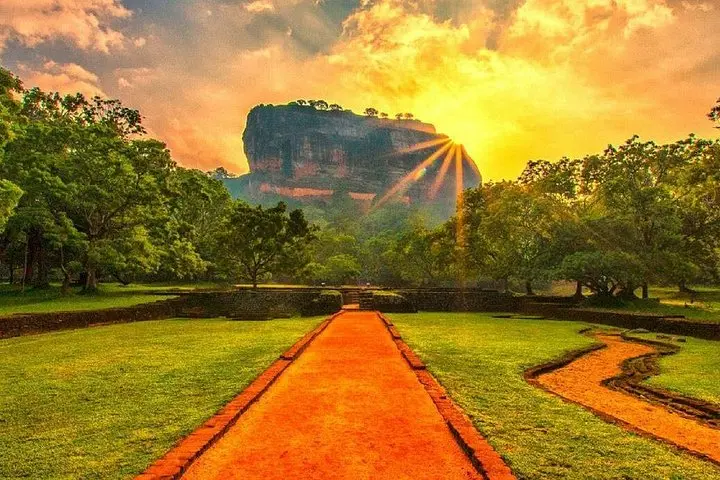
The minivan hums out of Colombo before dawn, the city receding into coconut groves and the occasional temple spire. By midmorning the landscape tightens into the limestone shoulders of Sri Lanka’s Cultural Triangle: a single granite headland rises from jungle — Sigiriya — like a stern guardian over rice paddies. Visitors step down from air-conditioned comfort and feel the heat press in; the rock seems to watch, daring you to climb.
Verified experiences and guided adventures in the surrounding area.
Operated by vishwa colombo tours · Sigiriya, Central Province
The minivan hums out of Colombo before dawn, the city receding into coconut groves and the occasional temple spire. By midmorning the landscape tightens into the limestone shoulders of Sri Lanka’s Cultural Triangle: a single granite headland rises from jungle — Sigiriya — like a stern guardian over rice paddies. Visitors step down from air-conditioned comfort and feel the heat press in; the rock seems to watch, daring you to climb.
Sigiriya is not merely a climb; it’s a chronological cross-section of power and artistry. Built in the 5th century CE by King Kashyapa as a fortified palace, the fortress perches about 200 meters above the plain. The ascent mixes ancient stone ramps, iron stairways and carved terraces — roughly 1,200 steps at varying pitch — with sudden theatrical reveals: the Lion’s Paw platform, a mirror wall bearing faded graffiti, and frescoed rock faces. The view from the summit opens into an agricultural grid punctuated by small temples and citrus orchards; the wind pushes you toward the edge.
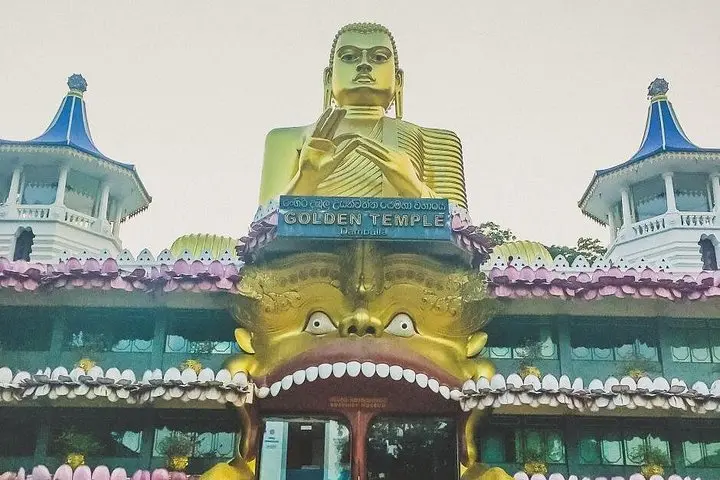
An hour’s drive away, Dambulla’s cave temple presents a different kind of vertical travel. Here the climb is gentler — a series of rock steps of approximately 150 — leading into five caverns where Buddhist murals and 150-plus statues occupy shadowed halls carved and repainted over two millennia. The caves are a living site: monks still chant and offerings are common, so silence and modest dress are part of the protocol.
Geology and history collide: Sigiriya’s hard igneous core resisted erosion while softer surrounds washed away, making the rock both a natural fortress and a canvas. The Cultural Triangle’s sites tell the story of shifting capitals, irrigation ingenuity and devotional continuity; local guides often fill the silence with practical context and legend.
Practical guidance: the tour runs about eight hours door-to-door from Colombo. Entrance fees typically are not included, so carry cash or a card; admission queues move faster in the morning. Wear grippy shoes for uneven rock, and bring 1–1.5 liters of water, sun protection, and insect repellent. Start the climb early to avoid midday heat and maximize light for photos. Expect metal staircases and narrow terraces at Sigiriya; those with limited mobility can still enjoy viewpoints from the base and Pidurangala across the valley. The operator provides hotel pickup and an English-speaking driver, plus small extras like herbal tea and a short ayurvedic head massage.
This is a day that trades easy comfort for layered rewards: durable panoramas, intimate temple interiors and a genuine sense of place. With a steady pace and the right kit, travelers leave having seen two of Sri Lanka’s most compelling historical statements — one hewn into stone, the other painted into shadow.
Yes — private pickup and drop-off from Colombo hotels are included in the tour price.
No — admission is typically not included; plan to purchase tickets onsite or confirm with the operator beforehand.
The operator lists wheelchair-accessible transport, but both Sigiriya and Dambulla require stair climbing and uneven paths; accessibility is limited at the sites themselves.
Expect up to ~1,200 steps at Sigiriya with mixed metal and stone stairways and about 150 steps to reach the Dambulla caves.
The driver is English-speaking; if you want a dedicated guide at each site, request one in advance (may incur a supplement).
December through April are the driest and clearest months for comfortable climbs and wide views.
vishwa colombo tours operates guided outdoor trips and adventures with an emphasis on safety, stewardship, and memorable experiences.
The minivan hums out of Colombo before dawn, the city receding into coconut groves and the occasional temple spire. By midmorning the landscape tightens into the limestone shoulders of Sri Lanka’s Cultural Triangle: a single granite headland rises from jungle — Sigiriya — like a stern guardian over rice paddies. Visitors step down from air-conditioned comfort and feel the heat press in; the rock seems to watch, daring you to climb.
The minivan hums out of Colombo before dawn, the city receding into coconut groves and the occasional temple spire. By midmorning the landscape tightens into the limestone shoulders of Sri Lanka’s Cultural Triangle: a single granite headland rises from jungle — Sigiriya — like a stern guardian over rice paddies. Visitors step down from air-conditioned comfort and feel the heat press in; the rock seems to watch, daring you to climb.
Sigiriya is not merely a climb; it’s a chronological cross-section of power and artistry. Built in the 5th century CE by King Kashyapa as a fortified palace, the fortress perches about 200 meters above the plain. The ascent mixes ancient stone ramps, iron stairways and carved terraces — roughly 1,200 steps at varying pitch — with sudden theatrical reveals: the Lion’s Paw platform, a mirror wall bearing faded graffiti, and frescoed rock faces. The view from the summit opens into an agricultural grid punctuated by small temples and citrus orchards; the wind pushes you toward the edge.
An hour’s drive away, Dambulla’s cave temple presents a different kind of vertical travel. Here the climb is gentler — a series of rock steps of approximately 150 — leading into five caverns where Buddhist murals and 150-plus statues occupy shadowed halls carved and repainted over two millennia. The caves are a living site: monks still chant and offerings are common, so silence and modest dress are part of the protocol.
Geology and history collide: Sigiriya’s hard igneous core resisted erosion while softer surrounds washed away, making the rock both a natural fortress and a canvas. The Cultural Triangle’s sites tell the story of shifting capitals, irrigation ingenuity and devotional continuity; local guides often fill the silence with practical context and legend.
Practical guidance: the tour runs about eight hours door-to-door from Colombo. Entrance fees typically are not included, so carry cash or a card; admission queues move faster in the morning. Wear grippy shoes for uneven rock, and bring 1–1.5 liters of water, sun protection, and insect repellent. Start the climb early to avoid midday heat and maximize light for photos. Expect metal staircases and narrow terraces at Sigiriya; those with limited mobility can still enjoy viewpoints from the base and Pidurangala across the valley. The operator provides hotel pickup and an English-speaking driver, plus small extras like herbal tea and a short ayurvedic head massage.
This is a day that trades easy comfort for layered rewards: durable panoramas, intimate temple interiors and a genuine sense of place. With a steady pace and the right kit, travelers leave having seen two of Sri Lanka’s most compelling historical statements — one hewn into stone, the other painted into shadow.