THE ADVENTURE COLLECTIVE® · Independent discovery and booking for outdoor travel

Scale the famous Lion’s Rock, explore the painted caves of Dambulla and search for elephants in Kaudulla on a single, immersive day trip that pairs ancient engineering with active wildlife viewing.
Scale the famous Lion’s Rock, explore the painted caves of Dambulla and search for elephants in Kaudulla on a single, immersive day trip that pairs ancient engineering with active wildlife viewing.
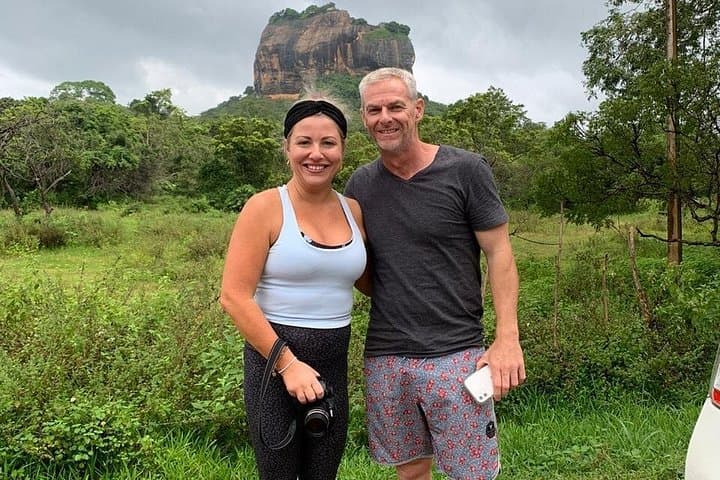
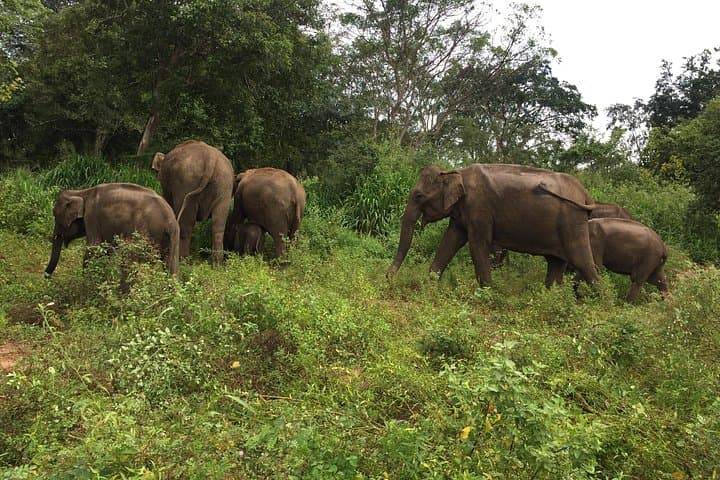
You arrive before the heat, the van easing onto a dusty lane as dawn softens the paddy fields. The silhouette of a square-topped boulder appears—Lion's Rock, its sheer faces rising from the flatlands like a last thought of an extinct volcano. For a day you trade the coast’s humidity for layered history: cave temples painted in ochre, royal gardens plotted with geometric precision, and the patient elephants of Kaudulla where the plains collect water and trunks reach for the sky.
Verified experiences and guided adventures in the surrounding area.
Operated by Cover Lanka Tours · Sigiriya, Central Province
You arrive before the heat, the van easing onto a dusty lane as dawn softens the paddy fields. The silhouette of a square-topped boulder appears—Lion's Rock, its sheer faces rising from the flatlands like a last thought of an extinct volcano. For a day you trade the coast’s humidity for layered history: cave temples painted in ochre, royal gardens plotted with geometric precision, and the patient elephants of Kaudulla where the plains collect water and trunks reach for the sky.
Sigiriya’s 220‑meter-high rock was once the setting for a 5th‑century palace and defensive complex. Built by King Kassapa, its terraces, mirror wall and fresco galleries reveal a palace-state ambition carved into hardened magma. Dambulla’s Golden Temple, a short drive away, preserves Buddhist iconography in five cave shrines—sinuous murals and seated Buddhas intimate with centuries of pilgrimage. By late afternoon the tour moves to Kaudulla/Minneriya country, where seasonal reservoirs attract herds; the landscape here is less manicured, more elemental—muddy waterholes, waving grass, and a horizon that measures distance in elephants.
Geology and human design are visible at every turn. Sigiriya’s plateau is volcanic in origin; water-management channels and terraced gardens are early examples of hydraulic engineering—fountains once fed by gravity alone. At Dambulla, limestone caves were adapted into a temple complex, their painted surfaces conserving religious practice across dynasties. In Kaudulla, the tank system built by ancient kings sustains modern wildlife, folding natural history into human infrastructure.
Practicalities are simple but matter. The full-day private tour runs about 12–14 hours and typically departs from hotels around Dambulla or Sigiriya; entrance fees are not included. Expect climbs with metal stairways and narrow passages up Sigiriya—the ascent gains a few hundred meters and requires steady footing; allow two to three hours on-site for ruins and views. Dambulla’s caves involve steps and dim interiors—modest mobility limits help. Wildlife sightings at Kaudulla are never guaranteed; best viewing occurs when water is concentrated in reservoirs (July–October).
Pack sun protection, at least 2 liters of water, and comfortable shoes with grip. Start early to beat midday heat and high tourist flow at the rock. Respect temple rules—modest dress and removed shoes—and keep distance from wildlife; do not feed animals. With a mix of archaeology, climbing, and wildlife watching, the day delivers a compact portrait of Sri Lanka’s layered landscape—human ingenuity meeting a patient, living wilderness.
No; admissions to Sigiriya, Dambulla and Kaudulla are generally paid on-site—bring payment or confirm with the operator in advance.
Expect to spend about 1–2 hours ascending and exploring the summit terraces and frescoes; allow extra time for queues.
It’s family-friendly for mobile visitors but not recommended for those with serious back, heart, or mobility issues due to stair climbs and uneven terrain.
Wildlife is unpredictable; the best chance is during the drier months when animals congregate at waterholes, but sightings are never guaranteed.
Modest, shoulder-covering clothing is required inside the temple caves and shoes must be removed before entering shrines.
Yes—the tour typically includes private, air-conditioned transport and hotel pickup as part of the day package.
Cover Lanka Tours operates guided outdoor trips and adventures with an emphasis on safety, stewardship, and memorable experiences.
You arrive before the heat, the van easing onto a dusty lane as dawn softens the paddy fields. The silhouette of a square-topped boulder appears—Lion's Rock, its sheer faces rising from the flatlands like a last thought of an extinct volcano. For a day you trade the coast’s humidity for layered history: cave temples painted in ochre, royal gardens plotted with geometric precision, and the patient elephants of Kaudulla where the plains collect water and trunks reach for the sky.
You arrive before the heat, the van easing onto a dusty lane as dawn softens the paddy fields. The silhouette of a square-topped boulder appears—Lion's Rock, its sheer faces rising from the flatlands like a last thought of an extinct volcano. For a day you trade the coast’s humidity for layered history: cave temples painted in ochre, royal gardens plotted with geometric precision, and the patient elephants of Kaudulla where the plains collect water and trunks reach for the sky.
Sigiriya’s 220‑meter-high rock was once the setting for a 5th‑century palace and defensive complex. Built by King Kassapa, its terraces, mirror wall and fresco galleries reveal a palace-state ambition carved into hardened magma. Dambulla’s Golden Temple, a short drive away, preserves Buddhist iconography in five cave shrines—sinuous murals and seated Buddhas intimate with centuries of pilgrimage. By late afternoon the tour moves to Kaudulla/Minneriya country, where seasonal reservoirs attract herds; the landscape here is less manicured, more elemental—muddy waterholes, waving grass, and a horizon that measures distance in elephants.
Geology and human design are visible at every turn. Sigiriya’s plateau is volcanic in origin; water-management channels and terraced gardens are early examples of hydraulic engineering—fountains once fed by gravity alone. At Dambulla, limestone caves were adapted into a temple complex, their painted surfaces conserving religious practice across dynasties. In Kaudulla, the tank system built by ancient kings sustains modern wildlife, folding natural history into human infrastructure.
Practicalities are simple but matter. The full-day private tour runs about 12–14 hours and typically departs from hotels around Dambulla or Sigiriya; entrance fees are not included. Expect climbs with metal stairways and narrow passages up Sigiriya—the ascent gains a few hundred meters and requires steady footing; allow two to three hours on-site for ruins and views. Dambulla’s caves involve steps and dim interiors—modest mobility limits help. Wildlife sightings at Kaudulla are never guaranteed; best viewing occurs when water is concentrated in reservoirs (July–October).
Pack sun protection, at least 2 liters of water, and comfortable shoes with grip. Start early to beat midday heat and high tourist flow at the rock. Respect temple rules—modest dress and removed shoes—and keep distance from wildlife; do not feed animals. With a mix of archaeology, climbing, and wildlife watching, the day delivers a compact portrait of Sri Lanka’s layered landscape—human ingenuity meeting a patient, living wilderness.