THE ADVENTURE COLLECTIVE® · Independent discovery and booking for outdoor travel

A single day that moves from the climbing steps of Sigiriya to the shadowed sanctuaries of Dambulla and into the jeep tracks of Minneriya National Park. Expect cultural monuments, traditional crafts and, in season, a thunder of wild elephants.
A single day that moves from the climbing steps of Sigiriya to the shadowed sanctuaries of Dambulla and into the jeep tracks of Minneriya National Park. Expect cultural monuments, traditional crafts and, in season, a thunder of wild elephants.
You step out of the air-conditioned jeep and the heat of the low country presses against your skin; ahead, a sheer column of rock rises like a ruined tower — Sigiriya’s 180-meter flank catching light in bands. The climb up its worn staircases is a physical punctuation to the day: frescoes peer from sheltered niches, lion paws mark a ruined gateway, and the plateau view opens over rice paddies and the green shoulders of the Cultural Triangle.
Verified experiences and guided adventures in the surrounding area.
Operated by Classical Lanka Tours · Sigiriya, Central Province
You step out of the air-conditioned jeep and the heat of the low country presses against your skin; ahead, a sheer column of rock rises like a ruined tower — Sigiriya’s 180-meter flank catching light in bands. The climb up its worn staircases is a physical punctuation to the day: frescoes peer from sheltered niches, lion paws mark a ruined gateway, and the plateau view opens over rice paddies and the green shoulders of the Cultural Triangle.
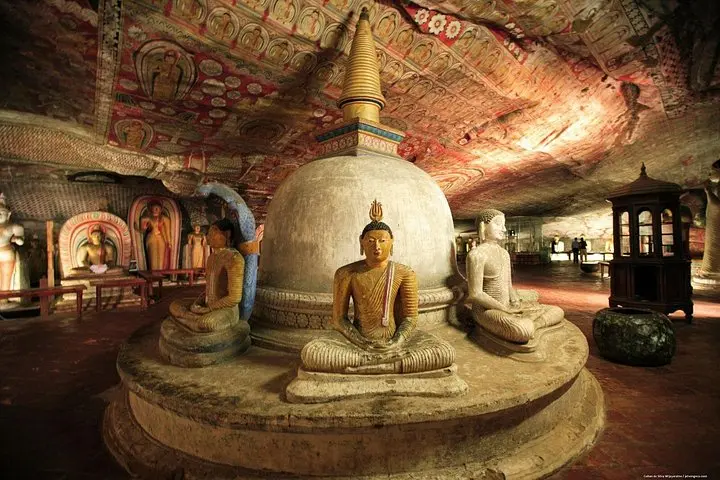
From there the tour slides into history. Dambulla’s cave temple is quieter, cool and shadowed. Centuries of devotion sit in lacquered Buddhas and ochre murals that cover ceilings and walls, relics of a Buddhist lineage stretching back to the first millennium. The geology that made the region notable — hard granite intrusions punched up through softer sediments — left islands of stone that ancient builders turned into palaces and shrines.
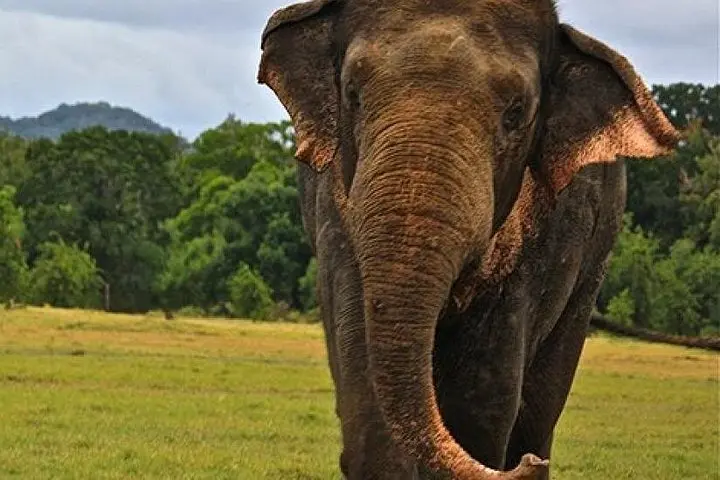
By afternoon the landscape changes again: the scrub and tanks around Minneriya National Park broaden into grasslands ringed by gallery forest. The Minneriya Tank, an irrigation reservoir first reworked by King Mahasen in the 3rd century AD, is not only an engineering legacy but a magnet for wildlife. During the dry season the park stages its most famous event — the gathering of hundreds of elephants around receding water, trunks reaching and trunks touching, the herd’s low rumble almost tactile as the jeep skirts reed beds and shallow pools.
Cultural stops weave into the route: the Sigiriya museum gives context to the fortress' urban plan and irrigation, a woodcarving center demonstrates traditional crafts, and a gems house clarifies how the island's sapphires were prized across empires.
Practical edge: expect a long day. The round-trip from Colombo can be 6–14 hours depending on traffic and how long you sit with the elephants. Wear supportive shoes for climbs and a breathable long-sleeve for cave interiors where sunlight is harsh when you step back outside. Bring a refillable water bottle, sunscreen, insect repellent and a light waterproof — sudden tropical showers are common. Binoculars are useful for Minneriya sightings; keep cameras at the ready but respect distance rules for wildlife.
Timing matters. If your priority is wildlife, book between June and September when the elephant population concentrates near the tank. If history is the draw, early morning ascents of Sigiriya beat the heat and the crowds. The tour's private-jeep format and English-speaking tracker maximize flexibility, but confirm pickup windows in Colombo and leave buffer time for Colombo's unpredictable traffic.
This is a day that stitches three different Sri Lankas together — ancient court, monastic refuge and wildplain — in one continuous, surprisingly manageable loop.
Depending on traffic the round-trip drive can be 3–4 hours each way; total tour time ranges 6–14 hours as listed.
This tour lists entry/admission inclusions for some stops; confirm with the operator whether Sigiriya and Minneriya park fees are covered at booking.
Most visitors see Asian elephants, waterbirds like painted storks and cormorants, and sometimes sambar deer; sightings vary by season.
Children who are comfortable with steep stairs and heights can make the ascent, but there are exposed sections; infant seats are available in vehicles.
The tour is private and often flexible; include special requirements at booking so the operator can plan transport and stops accordingly.
Dry season months, typically June through September, concentrate elephants around the Minneriya Tank and improve sighting odds.
Classical Lanka Tours operates guided outdoor trips and adventures with an emphasis on safety, stewardship, and memorable experiences.
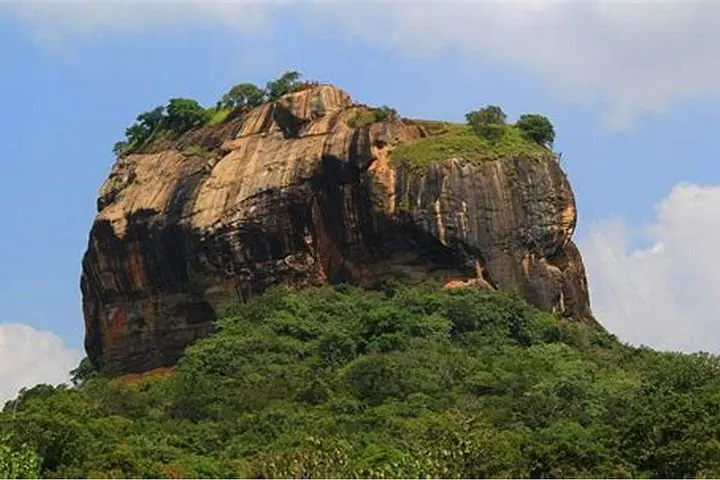
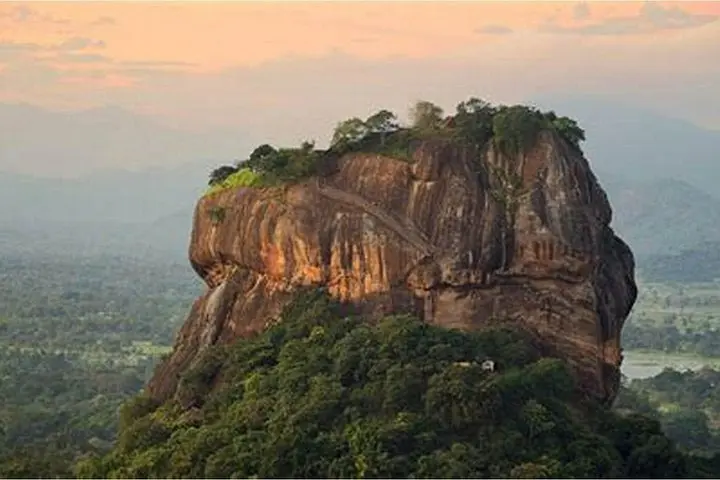
You step out of the air-conditioned jeep and the heat of the low country presses against your skin; ahead, a sheer column of rock rises like a ruined tower — Sigiriya’s 180-meter flank catching light in bands. The climb up its worn staircases is a physical punctuation to the day: frescoes peer from sheltered niches, lion paws mark a ruined gateway, and the plateau view opens over rice paddies and the green shoulders of the Cultural Triangle.
You step out of the air-conditioned jeep and the heat of the low country presses against your skin; ahead, a sheer column of rock rises like a ruined tower — Sigiriya’s 180-meter flank catching light in bands. The climb up its worn staircases is a physical punctuation to the day: frescoes peer from sheltered niches, lion paws mark a ruined gateway, and the plateau view opens over rice paddies and the green shoulders of the Cultural Triangle.
From there the tour slides into history. Dambulla’s cave temple is quieter, cool and shadowed. Centuries of devotion sit in lacquered Buddhas and ochre murals that cover ceilings and walls, relics of a Buddhist lineage stretching back to the first millennium. The geology that made the region notable — hard granite intrusions punched up through softer sediments — left islands of stone that ancient builders turned into palaces and shrines.
By afternoon the landscape changes again: the scrub and tanks around Minneriya National Park broaden into grasslands ringed by gallery forest. The Minneriya Tank, an irrigation reservoir first reworked by King Mahasen in the 3rd century AD, is not only an engineering legacy but a magnet for wildlife. During the dry season the park stages its most famous event — the gathering of hundreds of elephants around receding water, trunks reaching and trunks touching, the herd’s low rumble almost tactile as the jeep skirts reed beds and shallow pools.
Cultural stops weave into the route: the Sigiriya museum gives context to the fortress' urban plan and irrigation, a woodcarving center demonstrates traditional crafts, and a gems house clarifies how the island's sapphires were prized across empires.
Practical edge: expect a long day. The round-trip from Colombo can be 6–14 hours depending on traffic and how long you sit with the elephants. Wear supportive shoes for climbs and a breathable long-sleeve for cave interiors where sunlight is harsh when you step back outside. Bring a refillable water bottle, sunscreen, insect repellent and a light waterproof — sudden tropical showers are common. Binoculars are useful for Minneriya sightings; keep cameras at the ready but respect distance rules for wildlife.
Timing matters. If your priority is wildlife, book between June and September when the elephant population concentrates near the tank. If history is the draw, early morning ascents of Sigiriya beat the heat and the crowds. The tour's private-jeep format and English-speaking tracker maximize flexibility, but confirm pickup windows in Colombo and leave buffer time for Colombo's unpredictable traffic.
This is a day that stitches three different Sri Lankas together — ancient court, monastic refuge and wildplain — in one continuous, surprisingly manageable loop.