THE ADVENTURE COLLECTIVE® · Independent discovery and booking for outdoor travel

In one long, carefully guided day from Colombo you can climb the Lion Rock of Sigiriya, wander the regal ruins of Polonnaruwa and step into the painted caves of Dambulla. This private ‘trilogy’ compresses Sri Lanka’s royal, hydraulic and monastic histories into a single, unforgettable loop.
In one long, carefully guided day from Colombo you can climb the Lion Rock of Sigiriya, wander the regal ruins of Polonnaruwa and step into the painted caves of Dambulla. This private ‘trilogy’ compresses Sri Lanka’s royal, hydraulic and monastic histories into a single, unforgettable loop.
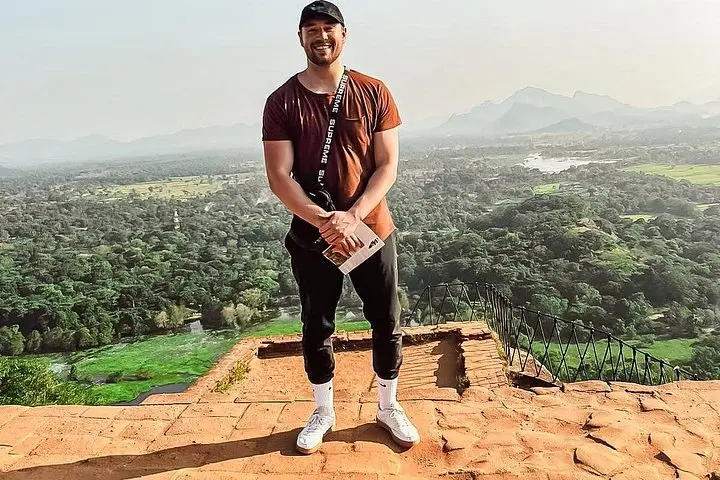
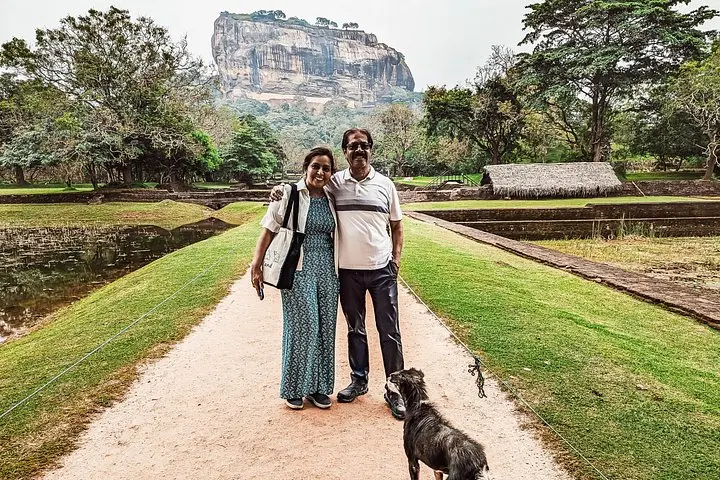
You step into the day before the sun has softened Colombo’s skyline, and the private vehicle hums south through a landscape that seems to wake in layers: paddy fields flattening into reservoirs, coconut palms leaning like watchful hosts. By midmorning Sigiriya rises from the plain—a blunt, 200-meter volcanic plug that refuses to be ignored. Climbing its iron staircases feels like walking up a held breath; at each landing the view opens, the countryside stretching in concentric bands, villages and tanks (man-made lakes) arranged like the careful pattern of an old map.
Verified experiences and guided adventures in the surrounding area.
Operated by Belkin Tales Holidays · Sigiriya, Central Province
You step into the day before the sun has softened Colombo’s skyline, and the private vehicle hums south through a landscape that seems to wake in layers: paddy fields flattening into reservoirs, coconut palms leaning like watchful hosts. By midmorning Sigiriya rises from the plain—a blunt, 200-meter volcanic plug that refuses to be ignored. Climbing its iron staircases feels like walking up a held breath; at each landing the view opens, the countryside stretching in concentric bands, villages and tanks (man-made lakes) arranged like the careful pattern of an old map.
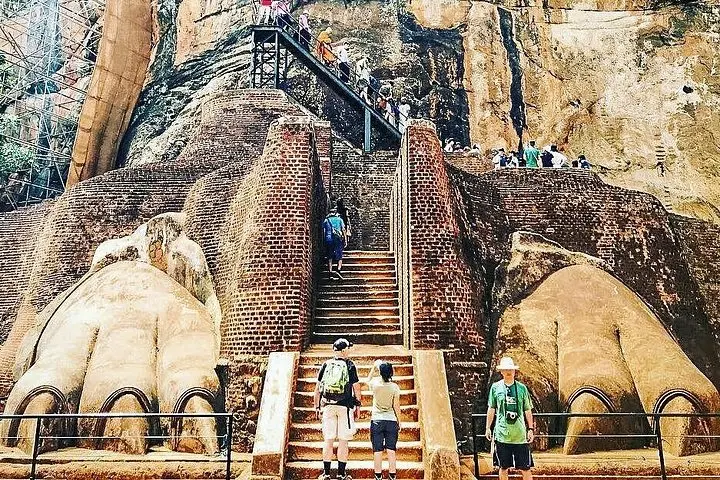
Sigiriya’s plateau is both fortress and stage. In the 5th century, King Kashyapa set his capital here, carving terraces, frescos and the famous Lion’s Gate into rock. The mirrored wall, once polished by ancient hands, still hints at intimate details—guarded glimpses of a palace that declared power and refuge in equal measure.
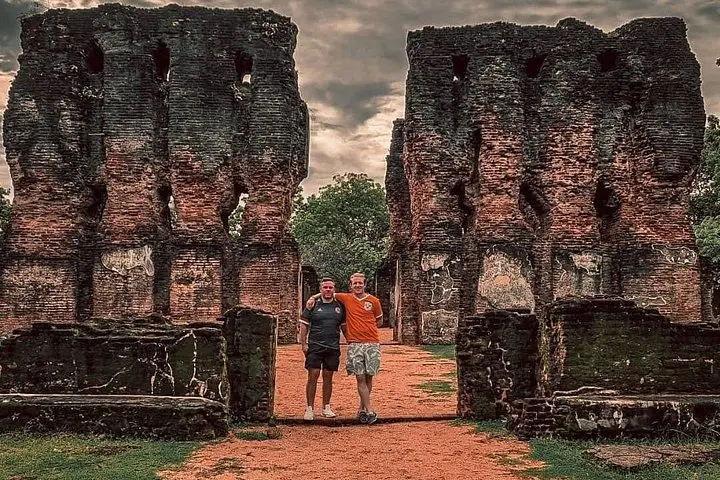
Polonnaruwa is quieter but grand in a different way. The 11th-century city, rebuilt after invasions, is an open-air classroom in masonry and irrigation: colossal Buddhas and the Gal Vihara’s carved figures keep a steady, contemplative watch over an engineered landscape where tanks and canals controlled water with surprising sophistication.
Dambulla’s cave temple rounds the day in darkness lit by painted narratives. The five main caves, elevated above the plain, preserve centuries of devotional practice—murals and sculptures that absorb light rather than reflect it, demanding slow looks and soft voices.
Practicalities: the tour runs 14–16 hours from Colombo or Negombo; admission fees to the three sites are not included. Expect a lot of walking on uneven stone, steep staircases at Sigiriya, and sun exposure across open plains. Bring local currency for entrance and occasional roadside vendors. A respectful dress code applies at temples—cover shoulders and knees.
Timing matters: an early start beats both crowds and the midday heat; late afternoon brings golden light over Polonnaruwa’s ruins. Guides on these private tours can tailor pacing—more time at Sigiriya for the climb, or at Polonnaruwa for biking between monuments.
Culturally, this trio stitches together Sri Lanka’s layered past: a royal cliff-top court, a hydraulic capital, and a living cave monastery. Geologically, the sites speak to volcanic fire and ancient limestone, carved and repurposed by human hands.
For the traveler: wear supportive footwear, hydrate often, and carry a light rain shell—tropical squalls can arrive without ceremony. Move deliberately in the caves; the murals are fragile. Leave room in your camera card for wide panoramas and the odd, startling detail—a monk’s saffron robe against polished stone, or a peacock threading through wet grass.
No — admission to Sigiriya, Polonnaruwa and Dambulla is paid on-site; bring cash or card where accepted.
Moderate — Sigiriya involves a steep climb with metal stairs; Polonnaruwa requires walking between scattered ruins; overall it's a long day.
Pick-up is usually early morning from Colombo or Negombo and return to Colombo is in the evening; total time is about 14–16 hours depending on traffic and pacing.
Yes, the tour is private and can be paced, but Sigiriya’s climb may be challenging for very young children or those with limited mobility.
Yes — the itinerary includes a lunch stop and you'll find small eateries and snack vendors near the sites; carry snacks if you have dietary needs.
A guide greatly enhances context and history; this private tour includes a driver and often a guide, but confirm guide inclusion when booking.
Belkin Tales Holidays operates guided outdoor trips and adventures with an emphasis on safety, stewardship, and memorable experiences.
You step into the day before the sun has softened Colombo’s skyline, and the private vehicle hums south through a landscape that seems to wake in layers: paddy fields flattening into reservoirs, coconut palms leaning like watchful hosts. By midmorning Sigiriya rises from the plain—a blunt, 200-meter volcanic plug that refuses to be ignored. Climbing its iron staircases feels like walking up a held breath; at each landing the view opens, the countryside stretching in concentric bands, villages and tanks (man-made lakes) arranged like the careful pattern of an old map.
You step into the day before the sun has softened Colombo’s skyline, and the private vehicle hums south through a landscape that seems to wake in layers: paddy fields flattening into reservoirs, coconut palms leaning like watchful hosts. By midmorning Sigiriya rises from the plain—a blunt, 200-meter volcanic plug that refuses to be ignored. Climbing its iron staircases feels like walking up a held breath; at each landing the view opens, the countryside stretching in concentric bands, villages and tanks (man-made lakes) arranged like the careful pattern of an old map.
Sigiriya’s plateau is both fortress and stage. In the 5th century, King Kashyapa set his capital here, carving terraces, frescos and the famous Lion’s Gate into rock. The mirrored wall, once polished by ancient hands, still hints at intimate details—guarded glimpses of a palace that declared power and refuge in equal measure.
Polonnaruwa is quieter but grand in a different way. The 11th-century city, rebuilt after invasions, is an open-air classroom in masonry and irrigation: colossal Buddhas and the Gal Vihara’s carved figures keep a steady, contemplative watch over an engineered landscape where tanks and canals controlled water with surprising sophistication.
Dambulla’s cave temple rounds the day in darkness lit by painted narratives. The five main caves, elevated above the plain, preserve centuries of devotional practice—murals and sculptures that absorb light rather than reflect it, demanding slow looks and soft voices.
Practicalities: the tour runs 14–16 hours from Colombo or Negombo; admission fees to the three sites are not included. Expect a lot of walking on uneven stone, steep staircases at Sigiriya, and sun exposure across open plains. Bring local currency for entrance and occasional roadside vendors. A respectful dress code applies at temples—cover shoulders and knees.
Timing matters: an early start beats both crowds and the midday heat; late afternoon brings golden light over Polonnaruwa’s ruins. Guides on these private tours can tailor pacing—more time at Sigiriya for the climb, or at Polonnaruwa for biking between monuments.
Culturally, this trio stitches together Sri Lanka’s layered past: a royal cliff-top court, a hydraulic capital, and a living cave monastery. Geologically, the sites speak to volcanic fire and ancient limestone, carved and repurposed by human hands.
For the traveler: wear supportive footwear, hydrate often, and carry a light rain shell—tropical squalls can arrive without ceremony. Move deliberately in the caves; the murals are fragile. Leave room in your camera card for wide panoramas and the odd, startling detail—a monk’s saffron robe against polished stone, or a peacock threading through wet grass.