THE ADVENTURE COLLECTIVE® · Independent discovery and booking for outdoor travel

Climb the dramatic Lion Rock at Sigiriya, explore the painted caves of Dambulla and finish with a traditional village lunch — all in a private day tour with entrance fees and hotel pick-up included.
Climb the dramatic Lion Rock at Sigiriya, explore the painted caves of Dambulla and finish with a traditional village lunch — all in a private day tour with entrance fees and hotel pick-up included.
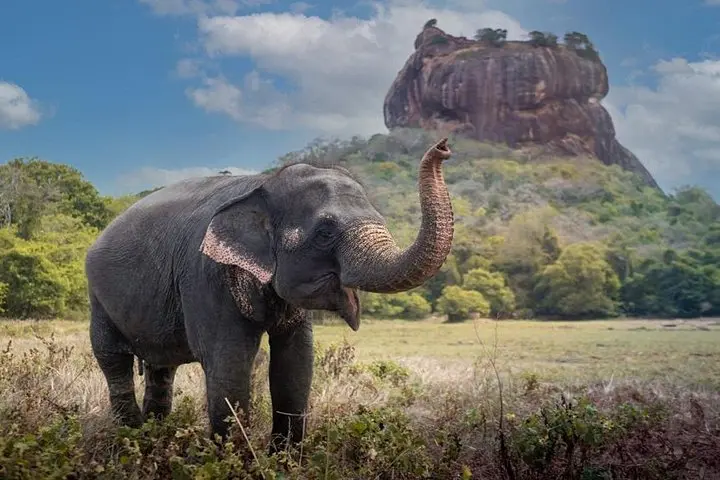
The driver eases off the highway and the rice paddies open like pages of a slow-moving book. Ahead, a squat, rust-streaked column of rock rises from the plains — Sigiriya’s Lion Rock, stern and deliberate against a blue Sri Lankan sky. You step out of the air-conditioned vehicle with a guide who knows the shorthand of these sites: which fresco catches the light at noon, where the stone narrows into a ladder, and how best to beat the midday pulse of tour buses.
Verified experiences and guided adventures in the surrounding area.
Operated by DEYO TOURS · Sigiriya, Central Province
The driver eases off the highway and the rice paddies open like pages of a slow-moving book. Ahead, a squat, rust-streaked column of rock rises from the plains — Sigiriya’s Lion Rock, stern and deliberate against a blue Sri Lankan sky. You step out of the air-conditioned vehicle with a guide who knows the shorthand of these sites: which fresco catches the light at noon, where the stone narrows into a ladder, and how best to beat the midday pulse of tour buses.
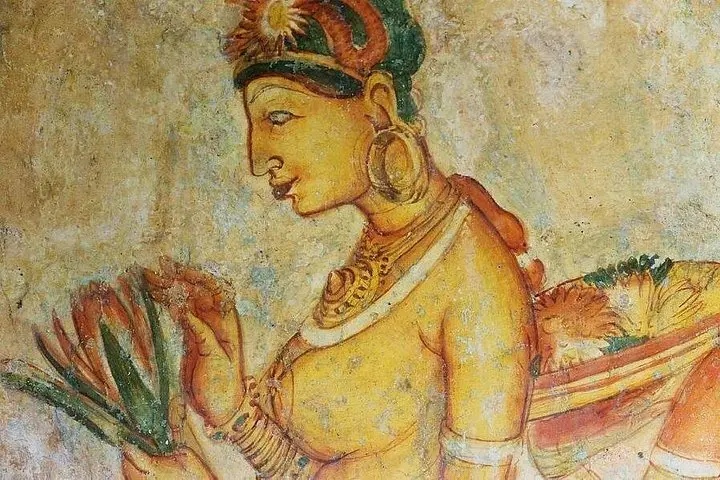
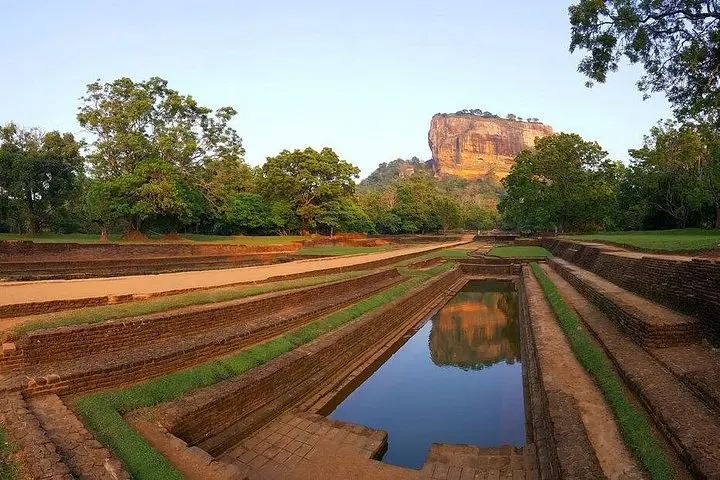
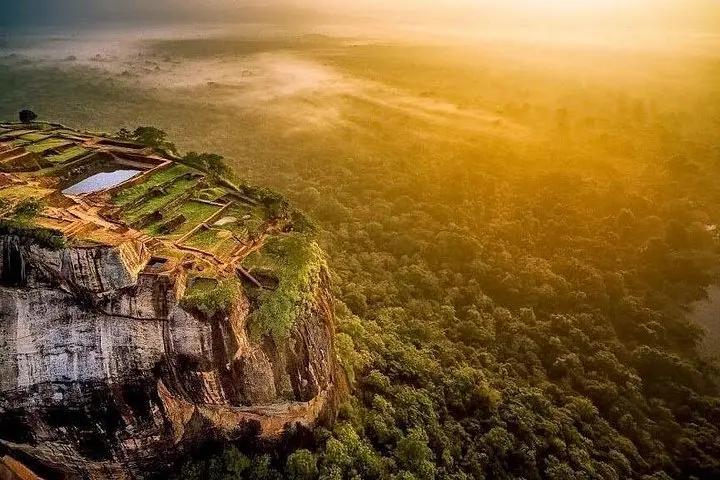
Sigiriya began as a royal citadel in the fifth century under King Kassapa, who raised gardens, waterworks and frescoed galleries on a volcanic plug about 200 meters above the plain. The climb alternates engineered metal stairways with original rock steps; each landing reveals new details — the mirror wall’s faded graffiti, the fragmentary paw-turned gateway that gives the place its Lion Rock name. Nearby, the Dambulla Cave Temple sits on a different kind of rock: a low, broad outcrop pierced by five cavern shrines where Buddhist art stretches back two millennia. These caves were formalized by King Valagamba, who repurposed his refuge into a monastery and filled it with painted narratives and reclining Buddhas.
The geology is immediate: hardened magma and laterite sculpted into ramps and overhangs, with resilient jungle reclaiming the lower terraces. Local villagers still farm the plain and host lunches in simple houses — the tour’s included village meal is as much a cultural stop as a break from stairs and humidity.
Practically, the day is full but manageable. Expect 10–12 hours including pick-up and drop-off, three hours at Sigiriya and about 90 minutes at Dambulla. Climb roughly 200 meters at Sigiriya — about 1,000–1,200 steps total depending on route — and ascend uneven stone steps to reach Dambulla’s painted caverns (roughly 100–120 m of ascent). Bring your passport: entrance tickets are issued on site.
Timing matters. Mornings give cooler air and softer light for the frescoes; late afternoon slants across the plains and is kinder on the knees during descent. Respect temple etiquette at Dambulla: no shoes inside the caves and dress modestly. Hydrate early; bottled water is included but carry a refillable bottle for the clamber between viewpoints.
This is a tour for travelers who want history without the logistics — private transport, an English-speaking guide and a home-cooked meal. It balances clear, old stones with the living rhythms of rural Sri Lanka: cattle at the roadside, peafowl flashing through the grass, and the patient work of conservation that keeps these monuments standing. With a little preparation — steady shoes, sun protection and patience for crowds — the day resolves into a neat arc of geology, art and village life that feels both raw and well cared-for.
Yes — entrance fees for Sigiriya Rock and Dambulla Cave Temple are included and tickets will be provided by the guide on site.
Yes — your passport is required to issue the entrance tickets, so bring it on the tour day.
The tour is family-friendly but involves steep climbs and many steps; not recommended for those with serious mobility issues or severe back problems.
Lunch is a traditional home-cooked Sri Lankan meal, typically featuring rice, curry, and local vegetables; vegetarian options can usually be accommodated if requested.
Pickup covers hotels in the specified area and the international airport; confirm your exact pickup point at booking as some areas may have restrictions.
Restrooms are available at both attractions and there are shaded spots and vendor stalls near the bases; however shade at Sigiriya’s stair sections is limited.
DEYO TOURS operates guided outdoor trips and adventures with an emphasis on safety, stewardship, and memorable experiences.
The driver eases off the highway and the rice paddies open like pages of a slow-moving book. Ahead, a squat, rust-streaked column of rock rises from the plains — Sigiriya’s Lion Rock, stern and deliberate against a blue Sri Lankan sky. You step out of the air-conditioned vehicle with a guide who knows the shorthand of these sites: which fresco catches the light at noon, where the stone narrows into a ladder, and how best to beat the midday pulse of tour buses.
The driver eases off the highway and the rice paddies open like pages of a slow-moving book. Ahead, a squat, rust-streaked column of rock rises from the plains — Sigiriya’s Lion Rock, stern and deliberate against a blue Sri Lankan sky. You step out of the air-conditioned vehicle with a guide who knows the shorthand of these sites: which fresco catches the light at noon, where the stone narrows into a ladder, and how best to beat the midday pulse of tour buses.
Sigiriya began as a royal citadel in the fifth century under King Kassapa, who raised gardens, waterworks and frescoed galleries on a volcanic plug about 200 meters above the plain. The climb alternates engineered metal stairways with original rock steps; each landing reveals new details — the mirror wall’s faded graffiti, the fragmentary paw-turned gateway that gives the place its Lion Rock name. Nearby, the Dambulla Cave Temple sits on a different kind of rock: a low, broad outcrop pierced by five cavern shrines where Buddhist art stretches back two millennia. These caves were formalized by King Valagamba, who repurposed his refuge into a monastery and filled it with painted narratives and reclining Buddhas.
The geology is immediate: hardened magma and laterite sculpted into ramps and overhangs, with resilient jungle reclaiming the lower terraces. Local villagers still farm the plain and host lunches in simple houses — the tour’s included village meal is as much a cultural stop as a break from stairs and humidity.
Practically, the day is full but manageable. Expect 10–12 hours including pick-up and drop-off, three hours at Sigiriya and about 90 minutes at Dambulla. Climb roughly 200 meters at Sigiriya — about 1,000–1,200 steps total depending on route — and ascend uneven stone steps to reach Dambulla’s painted caverns (roughly 100–120 m of ascent). Bring your passport: entrance tickets are issued on site.
Timing matters. Mornings give cooler air and softer light for the frescoes; late afternoon slants across the plains and is kinder on the knees during descent. Respect temple etiquette at Dambulla: no shoes inside the caves and dress modestly. Hydrate early; bottled water is included but carry a refillable bottle for the clamber between viewpoints.
This is a tour for travelers who want history without the logistics — private transport, an English-speaking guide and a home-cooked meal. It balances clear, old stones with the living rhythms of rural Sri Lanka: cattle at the roadside, peafowl flashing through the grass, and the patient work of conservation that keeps these monuments standing. With a little preparation — steady shoes, sun protection and patience for crowds — the day resolves into a neat arc of geology, art and village life that feels both raw and well cared-for.