THE ADVENTURE COLLECTIVE® · Independent discovery and booking for outdoor travel

Scale the iron staircases of Sigiriya’s rock fortress, stand among frescoes and lion paws, then step into the painted Buddha caves of Dambulla. This full‑day private tour pairs archaeological spectacle with practical logistics—ideal for travelers who want both context and comfort.
Scale the iron staircases of Sigiriya’s rock fortress, stand among frescoes and lion paws, then step into the painted Buddha caves of Dambulla. This full‑day private tour pairs archaeological spectacle with practical logistics—ideal for travelers who want both context and comfort.
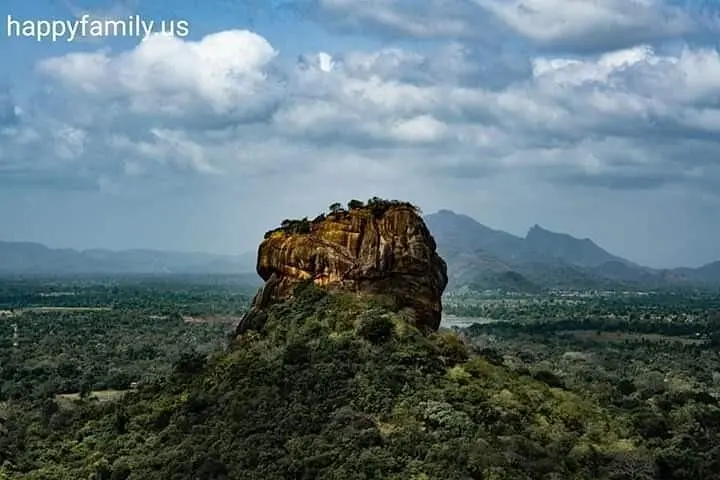
You arrive before the heat arrives, the air still damp from night and the granite of Sigiriya gleaming like a hulking ship on the plain. Local farmers pass in tuk-tuks, dogs skitter between ruined walls, and the rock itself—a squat monolith of weathered stone—seems to watch the road. By the time the metal staircases begin their climb, the light has sharpened and the landscape below reads like a carved map of ponds and lawns: the water gardens Kasyapa once ordered dug to choreograph visitors’ approach to his citadel.
Verified experiences and guided adventures in the surrounding area.
Operated by Sri Lankan holiday tours · Sigiriya, Central Province
You arrive before the heat arrives, the air still damp from night and the granite of Sigiriya gleaming like a hulking ship on the plain. Local farmers pass in tuk-tuks, dogs skitter between ruined walls, and the rock itself—a squat monolith of weathered stone—seems to watch the road. By the time the metal staircases begin their climb, the light has sharpened and the landscape below reads like a carved map of ponds and lawns: the water gardens Kasyapa once ordered dug to choreograph visitors’ approach to his citadel.
Sigiriya is part archaeological mystery, part engineering exercise. In the fifth century CE King Kasyapa raised a palace, fortress, and elaborate gardens atop this hardened volcanic plug, turning a geological oddity into a stage for power. The climb is punctuated by frescoes tucked under overhangs—vivid, partially faded paintings of attendants—and by the famous Lion’s Paw platform that marks the near-top. Descend and the day remains far from over: Dambulla’s cave temple awaits, a UNESCO site where five hill caves were adapted into a Buddhist sanctuary centuries before Kasyapa, their interiors layered with reclining Buddhas and murals that chart Sri Lanka’s devotional history.
There’s a practical rhythm to doing both sites in a single day. The rock’s ascent is steep but well-protected with rails; the staircases and platforms require sure footing more than endurance. The Dambulla caves demand modest dress and a quieter pace—remove shoes, speak softly, and allow time for the scale of the murals to settle in.
Guides on private day tours thread commentary into the landscape: irrigation channels that powered the water gardens, the defensive logic of the plateau, and the later restorations that preserved Dambulla’s painted narratives. Outside the monuments, the scrub and small lakes around Sigiriya are alive—herds pass occasionally, and birdcalls fill the heat-hazed midday.
Practicalities: tours typically start at dawn and run roughly eight hours round-trip from Colombo, Negombo, or nearby hotels in Dambulla or Habarana. Entrance fees to both sites are separate; bring cash and your camera (tripods are usually not allowed inside the caves). Wear sturdy shoes for the rock, light long sleeves or a sarong for the temple, sunscreen, and carry water—the climb and the midday sun make hydration non-negotiable.
If you want a quieter summit view, consider adding a Pidurangala climb at sunrise on a separate morning—its panorama returns Sigiriya to scale and gives you a different read on the plains. For a day that pairs history with landscape, Sigiriya and Dambulla deliver: hard stone, painted walls, and the pure logistics of old rulers making a statement in rock and water.
No. Admission to Sigiriya Rock and Dambulla Cave Temple is paid separately at the ticket counters; carry local currency.
Expect 30–45 minutes for an average walker to reach the summit, depending on stops; total time on the rock 1–1.5 hours.
Many people of varied ages do the climb, but it involves steep stairs and some exposed platforms—those with mobility issues or recent back/heart conditions should avoid it.
Yes—private tours typically offer pickup from Colombo, the airport, Negombo, and hotels in the region; confirm your pickup point when booking.
The itinerary usually includes a lunch stop at a local restaurant; bring snacks if you prefer specific dietary items but note the schedule is timed.
Photography is allowed in many parts of Dambulla but follow signage and staff directions—flash may be discouraged to protect paintings.
Sri Lankan holiday tours operates guided outdoor trips and adventures with an emphasis on safety, stewardship, and memorable experiences.

You arrive before the heat arrives, the air still damp from night and the granite of Sigiriya gleaming like a hulking ship on the plain. Local farmers pass in tuk-tuks, dogs skitter between ruined walls, and the rock itself—a squat monolith of weathered stone—seems to watch the road. By the time the metal staircases begin their climb, the light has sharpened and the landscape below reads like a carved map of ponds and lawns: the water gardens Kasyapa once ordered dug to choreograph visitors’ approach to his citadel.
You arrive before the heat arrives, the air still damp from night and the granite of Sigiriya gleaming like a hulking ship on the plain. Local farmers pass in tuk-tuks, dogs skitter between ruined walls, and the rock itself—a squat monolith of weathered stone—seems to watch the road. By the time the metal staircases begin their climb, the light has sharpened and the landscape below reads like a carved map of ponds and lawns: the water gardens Kasyapa once ordered dug to choreograph visitors’ approach to his citadel.
Sigiriya is part archaeological mystery, part engineering exercise. In the fifth century CE King Kasyapa raised a palace, fortress, and elaborate gardens atop this hardened volcanic plug, turning a geological oddity into a stage for power. The climb is punctuated by frescoes tucked under overhangs—vivid, partially faded paintings of attendants—and by the famous Lion’s Paw platform that marks the near-top. Descend and the day remains far from over: Dambulla’s cave temple awaits, a UNESCO site where five hill caves were adapted into a Buddhist sanctuary centuries before Kasyapa, their interiors layered with reclining Buddhas and murals that chart Sri Lanka’s devotional history.
There’s a practical rhythm to doing both sites in a single day. The rock’s ascent is steep but well-protected with rails; the staircases and platforms require sure footing more than endurance. The Dambulla caves demand modest dress and a quieter pace—remove shoes, speak softly, and allow time for the scale of the murals to settle in.
Guides on private day tours thread commentary into the landscape: irrigation channels that powered the water gardens, the defensive logic of the plateau, and the later restorations that preserved Dambulla’s painted narratives. Outside the monuments, the scrub and small lakes around Sigiriya are alive—herds pass occasionally, and birdcalls fill the heat-hazed midday.
Practicalities: tours typically start at dawn and run roughly eight hours round-trip from Colombo, Negombo, or nearby hotels in Dambulla or Habarana. Entrance fees to both sites are separate; bring cash and your camera (tripods are usually not allowed inside the caves). Wear sturdy shoes for the rock, light long sleeves or a sarong for the temple, sunscreen, and carry water—the climb and the midday sun make hydration non-negotiable.
If you want a quieter summit view, consider adding a Pidurangala climb at sunrise on a separate morning—its panorama returns Sigiriya to scale and gives you a different read on the plains. For a day that pairs history with landscape, Sigiriya and Dambulla deliver: hard stone, painted walls, and the pure logistics of old rulers making a statement in rock and water.