THE ADVENTURE COLLECTIVE® · Independent discovery and booking for outdoor travel

Climb the towering Sigiriya Lion Rock, wander the painted caverns of Dambulla, and follow the scent trail through Matale’s spice gardens — all in a single day from Kandy. This private tour pairs sweeping views with deep cultural context, best tackled early and with sturdy shoes.
Climb the towering Sigiriya Lion Rock, wander the painted caverns of Dambulla, and follow the scent trail through Matale’s spice gardens — all in a single day from Kandy. This private tour pairs sweeping views with deep cultural context, best tackled early and with sturdy shoes.
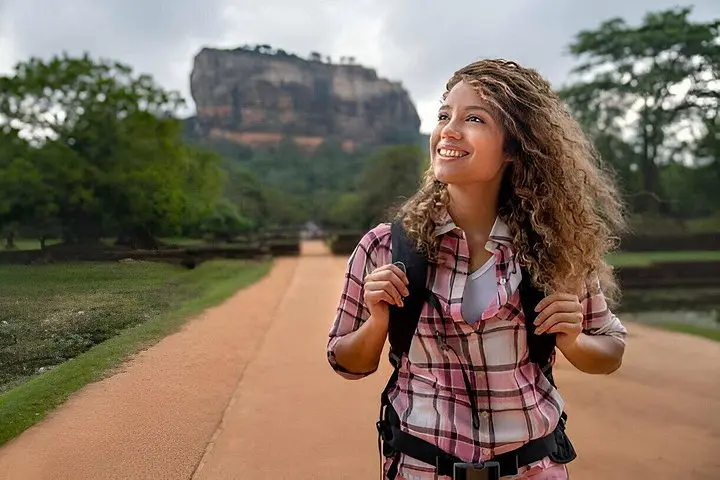
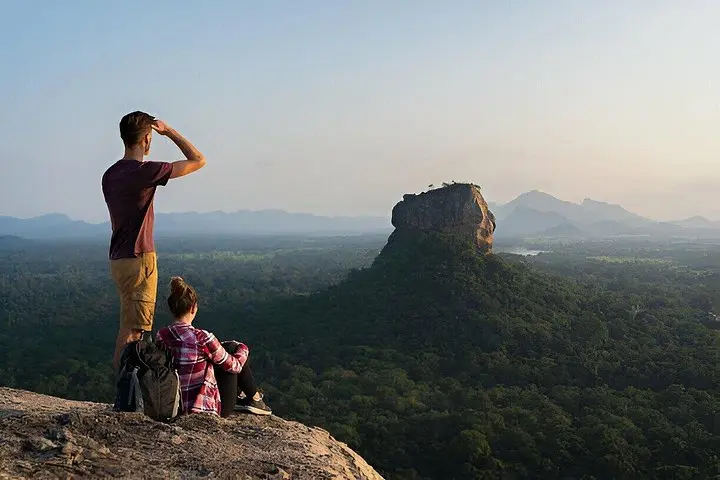
The minivan pulls out of Kandy before dawn, headlights cutting through mist that lifts from the rice paddies. By 9:00 a.m. the road opens into a plain of green where a squat giant dominates the skyline — Sigiriya, the 200‑meter rock fortress that seems to have been dropped into the jungle. The climb begins on a cool terrace of manicured gardens, then narrows into iron stairways and the carved Lion’s Gate. As you rise, the jungle recedes and a broad, patchwork panorama of paddy, lakes, and small villages unfolds; the wind here has a way of making the view feel earned.
Verified experiences and guided adventures in the surrounding area.
Operated by Ceylon Travel Dream · Sigiriya, Central Province
The minivan pulls out of Kandy before dawn, headlights cutting through mist that lifts from the rice paddies. By 9:00 a.m. the road opens into a plain of green where a squat giant dominates the skyline — Sigiriya, the 200‑meter rock fortress that seems to have been dropped into the jungle. The climb begins on a cool terrace of manicured gardens, then narrows into iron stairways and the carved Lion’s Gate. As you rise, the jungle recedes and a broad, patchwork panorama of paddy, lakes, and small villages unfolds; the wind here has a way of making the view feel earned.
Sigiriya is not only a climb; it is a chapter in Sri Lanka’s fifth‑century history. King Kashyapa transformed this igneous outcrop into a royal citadel, painting frescoes on sheltered rock faces and inlaying mirror walls with aphorisms. Geologically, the rock is an ancient hard core — an erosional remnant of volcanic activity — and its verticality dictates the route: a mix of rockcut steps, metal ladders, and broad terraces. Expect roughly 200 meters of elevation gain and a steep, intermittent climb that can take 1–2 hours round trip, depending on stops.
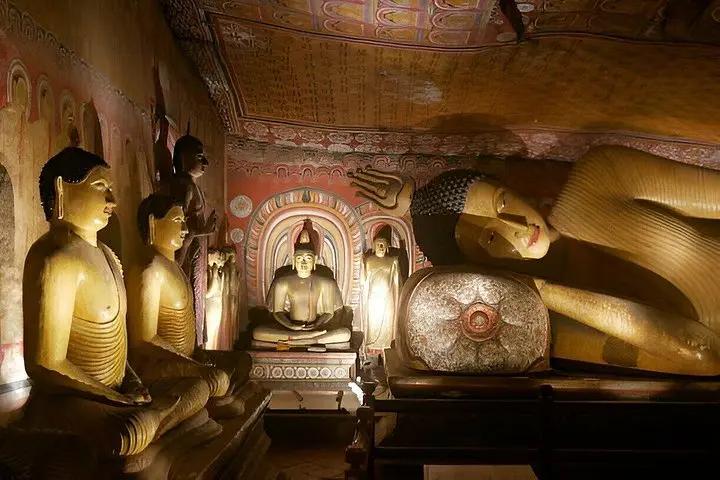
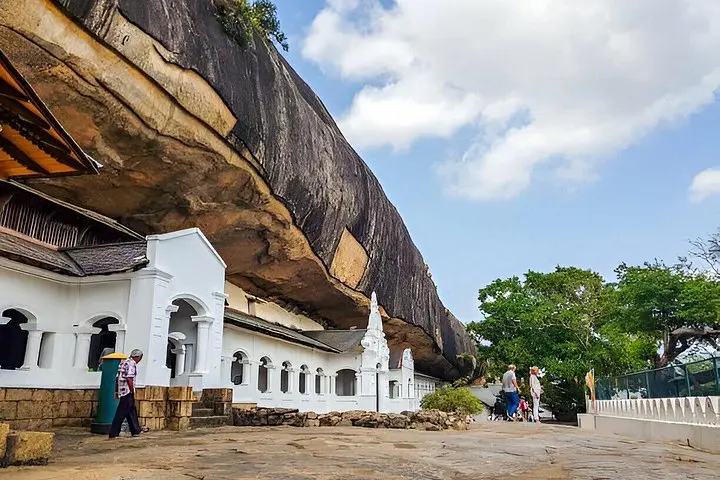
After descending, the tour moves to Dambulla Cave Temple, where five caves stacked under a bulging cliff hold more than 150 Buddha images and murals that span centuries. The cave floor is cool and dim; gold leaves and painted narratives make the walls feel like a slow-moving history book. Both sites require modest dress and a calm cadence — the temples are active places of worship as well as archaeological sites.
Later, a sensory shift: the Matale spice garden. Here the air dares you to follow it — cinnamon bark, cardamom pods, pepper vines — as a local guide demonstrates drying techniques, medicinal uses, and recipes. It’s a practical lesson in how Sri Lanka’s trade shaped its culture.
Practical edge: the full excursion from Kandy runs 10–14 hours with hotel pickup at 7:00 a.m. Wear sturdy shoes; much of Sigiriya’s ascent is uneven steps and metal walkways. Bring sun protection, at least 1–1.5 liters of water, and small change for entrance fees and tips. Time your Sigiriya climb for early morning to avoid heat and crowds; Dambulla’s caves are best visited mid‑afternoon light for photos. The tour is private and includes an English‑speaking guide and A/C transport, but it’s physically demanding enough that travelers should have a moderate fitness level and no serious back or heart conditions.
What stays with you after the drive back to Kandy is the sensory dissonance: a carved palace on a bare rock, silent caves painted with reverence, and a spice garden that smells like trade routes and kitchens. For a single day, it is a concentrated primer on Sri Lanka’s landscape, history, and living traditions.
The transfer is about 2–2.5 hours each way depending on traffic; expect the full day to be 10–14 hours including site visits and lunch.
Entrance fees are typically not included in tour pricing—carry local currency for Sigiriya Rock and Dambulla Cave Temple admissions and any garden fees.
Children and active older adults can do the climb but should be supervised; the ascent includes steep sections and metal staircases that can be daunting.
Modest clothing covering shoulders and knees is required; avoid sleeveless tops and short shorts—sarongs are often accepted.
Photography is generally allowed but without flash in many areas; be respectful of worshippers and signage that restricts cameras in certain spots.
Yes, but itineraries may shift or be canceled in heavy monsoon conditions; the operator typically cancels for safety and offers refunds per policy.
Ceylon Travel Dream operates guided outdoor trips and adventures with an emphasis on safety, stewardship, and memorable experiences.
The minivan pulls out of Kandy before dawn, headlights cutting through mist that lifts from the rice paddies. By 9:00 a.m. the road opens into a plain of green where a squat giant dominates the skyline — Sigiriya, the 200‑meter rock fortress that seems to have been dropped into the jungle. The climb begins on a cool terrace of manicured gardens, then narrows into iron stairways and the carved Lion’s Gate. As you rise, the jungle recedes and a broad, patchwork panorama of paddy, lakes, and small villages unfolds; the wind here has a way of making the view feel earned.
The minivan pulls out of Kandy before dawn, headlights cutting through mist that lifts from the rice paddies. By 9:00 a.m. the road opens into a plain of green where a squat giant dominates the skyline — Sigiriya, the 200‑meter rock fortress that seems to have been dropped into the jungle. The climb begins on a cool terrace of manicured gardens, then narrows into iron stairways and the carved Lion’s Gate. As you rise, the jungle recedes and a broad, patchwork panorama of paddy, lakes, and small villages unfolds; the wind here has a way of making the view feel earned.
Sigiriya is not only a climb; it is a chapter in Sri Lanka’s fifth‑century history. King Kashyapa transformed this igneous outcrop into a royal citadel, painting frescoes on sheltered rock faces and inlaying mirror walls with aphorisms. Geologically, the rock is an ancient hard core — an erosional remnant of volcanic activity — and its verticality dictates the route: a mix of rockcut steps, metal ladders, and broad terraces. Expect roughly 200 meters of elevation gain and a steep, intermittent climb that can take 1–2 hours round trip, depending on stops.
After descending, the tour moves to Dambulla Cave Temple, where five caves stacked under a bulging cliff hold more than 150 Buddha images and murals that span centuries. The cave floor is cool and dim; gold leaves and painted narratives make the walls feel like a slow-moving history book. Both sites require modest dress and a calm cadence — the temples are active places of worship as well as archaeological sites.
Later, a sensory shift: the Matale spice garden. Here the air dares you to follow it — cinnamon bark, cardamom pods, pepper vines — as a local guide demonstrates drying techniques, medicinal uses, and recipes. It’s a practical lesson in how Sri Lanka’s trade shaped its culture.
Practical edge: the full excursion from Kandy runs 10–14 hours with hotel pickup at 7:00 a.m. Wear sturdy shoes; much of Sigiriya’s ascent is uneven steps and metal walkways. Bring sun protection, at least 1–1.5 liters of water, and small change for entrance fees and tips. Time your Sigiriya climb for early morning to avoid heat and crowds; Dambulla’s caves are best visited mid‑afternoon light for photos. The tour is private and includes an English‑speaking guide and A/C transport, but it’s physically demanding enough that travelers should have a moderate fitness level and no serious back or heart conditions.
What stays with you after the drive back to Kandy is the sensory dissonance: a carved palace on a bare rock, silent caves painted with reverence, and a spice garden that smells like trade routes and kitchens. For a single day, it is a concentrated primer on Sri Lanka’s landscape, history, and living traditions.